



On what should have been an ordinary weekend outing, Yorkshire Wildlife Park instead became the scene of an unspeakable tragedy. The park, which has long been known as a place where families come to marvel at animals from across the globe, was thrown into shock on Saturday after a man entered the tiger enclosure and was fatally attacked by one of the big cats. Emergency services rushed to the scene at around 1:30 in the afternoon, but despite every effort by paramedics and responders, the man was pronounced dead at the scene. The news came like a thunderclap, not only for the family who had to be told that their loved one was gone, but also for the staff and visitors who found themselves caught up in a terrifying situation they could never have imagined. The park was evacuated, and what had started as a day of laughter and wonder turned into one of grief, confusion, and difficult questions. For the family, the pain is raw and unimaginable, and they are now left to mourn a life lost in circumstances that no one could have foreseen. For the park, the days ahead are now shadowed by sorrow and the weight of accountability. It is a stark reminder that no matter how carefully wildlife parks are designed, the animals they house remain wild, powerful, and entirely unpredictable.
In the aftermath of the incident, South Yorkshire Police confirmed the details with a heavy heart, acknowledging the loss of life and extending their thoughts to the man’s family. The park initially announced that it would remain closed for the remainder of the weekend, leaving visitors to assume that normal operations might resume on Monday. But as investigators continued to examine the scene and piece together what had happened, that decision was revised. In a message sent to ticketholders on Monday morning, Yorkshire Wildlife Park broke the news that the closure would have to be extended for the entire day. The message was apologetic and practical, explaining that anyone with a booking for that date would be contacted within the next five working days with details on how to reschedule. “We apologise for the late notice and any inconvenience caused,” the park said, but those words, however necessary, felt painfully small in the face of what had occurred. Behind the scenes, investigators were working carefully, combing the enclosure area, reviewing CCTV, and trying to understand how a member of the public could have gained access to an exhibit that was supposed to be safe. Meanwhile, visitors who had planned to come on Monday were left disappointed, although most understood that the park had far more important matters to attend to than tickets and opening hours.
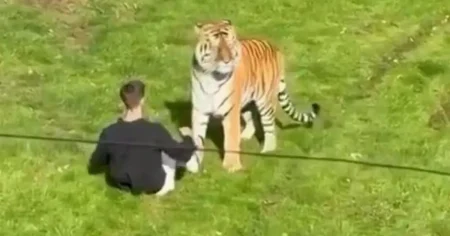
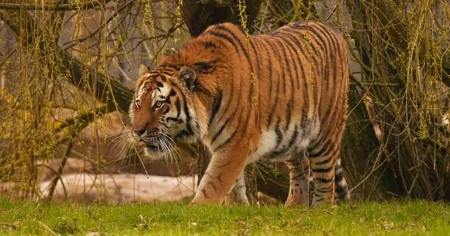
At the centre of this tragedy is a creature that has captured global attention: Altai, a five-year-old Amur tiger who was directly involved in the fatal attack. Amur tigers, also known as Siberian tigers, are among the most endangered big cats in the world, with only a few hundred left in the wild, and they are prized for their beauty, strength, and rarity. Altai, one of two such tigers at Yorkshire Wildlife Park, is now at the heart of a complex and emotionally charged debate. Some people, horrified by the man’s death, have wondered whether the tiger should be put down for what happened. But the park has made it clear that Altai will not be euthanised. In a statement, organisers confirmed that the tiger is “safe and well,” and they have stood firmly by the decision to spare his life. This has been met with both understanding and criticism, but there is an important truth underneath the controversy: Altai is not a villain. He is an animal, acting on instinct, in an environment where he is normally separated from humans by secure barriers. The tragedy was made possible by human actions, not by the tiger’s malice. Footage shared on social media over the weekend showed the tiger grabbing the man, a terrifying and visceral reminder of the raw power that these creatures possess, but it also showed the panic and despair of the moment. For the man involved, it was a fatal encounter; for Altai, it was a moment of confusion and instinct that he could never fully understand.
As the investigation into the death continues, one central question remains: how did the man manage to get into the Land of the Tigers enclosure? It is a question that the family deserves to have answered, and one that the public is demanding with increasing urgency. Wildlife parks are designed with sophisticated barriers, fencing, and safety protocols, all intended to keep both visitors and animals safe. The idea that someone could bypass those measures and come face to face with a five-year-old tiger is deeply troubling, and it raises difficult questions about security, supervision, and the nature of the man’s entry. Police have not yet revealed how he came to be inside the enclosure, and until they do, speculation will continue to swirl. Some have suggested it may have been a deliberate act; others have wondered if there was a lapse in security. No matter what the investigation uncovers, the outcome is a profound tragedy, and the answers are unlikely to bring comfort. The family will have to live with the loss, and the staff at the park will have to carry the memory of that terrible afternoon. The need for transparency is urgent, not just for the sake of public confidence but for the sake of a grieving family who deserves to understand what happened to their loved one in the final moments of his life.
Beyond the logistics of the investigation, there is a deeper, more human layer to this story. The visitors who were at Yorkshire Wildlife Park on Saturday were not just witnesses to an event; they were people who shared in a collective trauma. The moment the park was evacuated, parents likely clutched their children a little tighter, and visitors walked out in silence, struggling to process what had unfolded only metres away. The staff, too, are grappling with a mixture of sorrow, shock, and perhaps guilt, wondering if there was anything they could have done differently. In the background, the amusement and chatter that normally fills such a place were replaced by the sombre voices of police officers, paramedics, and investigators. The park has always been a destination for family memories, school trips, and quiet admiration of nature’s wonders. Now, instead of joy, there is grief. Instead of wonder, there is fear. And yet, amid all the pain, there has also been an outpouring of sympathy. Online, people have expressed their condolences to the man’s family, their support for the staff, and their determination not to see the tiger blamed for an incident that was not his fault. These gestures of kindness are small comforts, but they matter. They remind us that even in moments of unimaginable tragedy, there is still room for compassion.
In time, Yorkshire Wildlife Park will reopen, and visitors will once again walk through its gates, perhaps with a heavier heart but still with a desire to learn and appreciate the animals they find there. The park’s decision to remain closed on Monday is a visible sign of the respect it is trying to show for the man who died and for all those affected. The rescheduling of tickets and the notification of visitors, however bureaucratic they may seem, are part of a slow and painful return to something resembling normal life. But the memory of this incident will not fade easily. It will linger in the minds of those who were there, in the hearts of the family, and in the broader conversations about human interaction with wild animals. Altai, meanwhile, remains in his enclosure, unaware of the global attention he has received, simply living as a tiger does. The hope is that he will continue to live, not as a symbol of violence, but as a reminder of the magnificent and untamable nature of wildlife. And for the man who died, the hope is that his story will be remembered with dignity, and that the questions surrounding his death will be answered with truth. The wild always carries a risk, and this tragic episode is a painful testament to that reality. It is a story of loss, of love, of animals, and of the fragile line that separates humanity from the wild.