

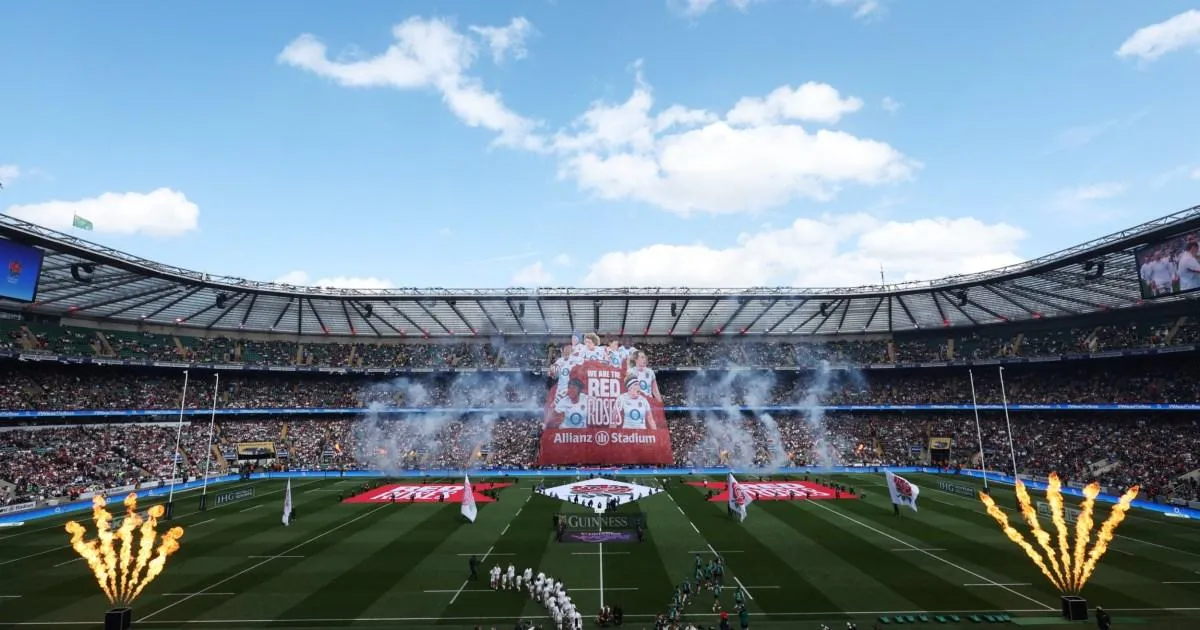
The iconic Allianz Stadium in Twickenham, the world’s largest dedicated rugby venue, finds itself at the heart of a contentious battle between progress and peace. The Rugby Football Union (RFU) has formally requested permission to significantly expand its event calendar, moving from just three non-sporting events per year to a staggering 15. While the RFU frames this as a necessary evolution to generate vital revenue, boost local employment, and bolster the borough’s cultural appeal, the residents living in the stadium’s literal shadow are pushing back with a 3,000-signature petition, fearing their quiet neighborhood is about to be transformed into a site of permanent congestion.
For many locals, the concern isn’t just about the frequency of the events, but the shift in atmosphere. Pensioners like Ann Manser, who has called the area home for two decades, speak of a deep-seated anxiety regarding the “wall of noise” that accompanies mega-concerts. While residents have learned to live in harmony with the rhythm of rugby matches—noting that the crowds are generally well-behaved and the sound is surprisingly contained—they worry that global pop icons and the massive, high-capacity audiences they attract represent an entirely different animal. There is a palpable sense that the community is being treated as a secondary concern, sacrificed for the sake of the stadium’s bottom line.
This sentiment is echoed by long-term residents like Trevor Smith, who describes the current event-day reality as a “nightmare” that would only be exacerbated by a five-fold increase in non-sporting events. The primary grievances focus on “traffic mayhem” and the feeling of being held captive in their own homes. The fear is that if the stadium becomes a frequent host for massive concerts, the chaos on the roads—where residents often struggle just to move their cars—will become an intolerable constant. Many locals feel that if the RFU is insistent on expanding, the community should be offered more than just empty promises, suggesting tangible incentives like free tickets to help bridge the divide.
However, the perspective isn’t entirely monolithic. Some residents, such as Elizabeth Rhodes, view the stadium’s underutilization as a missed opportunity, suggesting that more events could actually be a boon for the local economy. It is a classic urban struggle: the tension between the global ambitions of a historic venue and the day-to-day sanctity of a residential neighborhood. While the RFU promises a “phased approach” and claims their growth plan will inject millions into the local economy and support hundreds of jobs, skeptics argue that once these permissions are granted, there is no turning back, regardless of the impact on their quality of life.
The RFU has attempted to mitigate these concerns by proposing improved transport links and ensuring that any increase in capacity is contingent upon successfully managing noise and traffic impacts in collaboration with the Metropolitan Police and local stakeholders. They maintain that this expansion is essential to securing the long-term financial future of the stadium and the sport itself. Yet, for those living within a stone’s throw of the venue, these promises feel like corporate jargon compared to the reality of potential anti-social behavior and the litter that, even now, sometimes follows the crowds. They remain wary of the shift in “vibe” that comes with a transition from sporting events to international music spectacles.
As the planning application sits with the Richmond Council, the process is far from decided. The local government has committed to a full, impartial assessment of the transport, noise, and community impacts before any final ruling is made. For the time being, the community remains in a state of uneasy observation. Whether the final decision leans toward the economic potential of a world-class entertainment hub or the preservation of a quiet west London suburb, the case of Twickenham serves as a poignant reminder that even the most iconic landmarks must ultimately answer to the people living right at their garden gates.