

The Channel Rescue Attack: A Shocking Escalation of Far-Right Violence
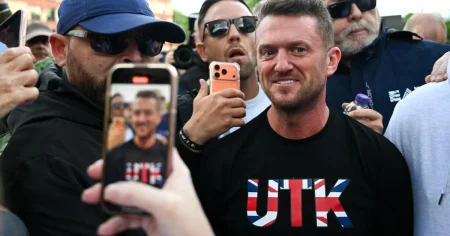
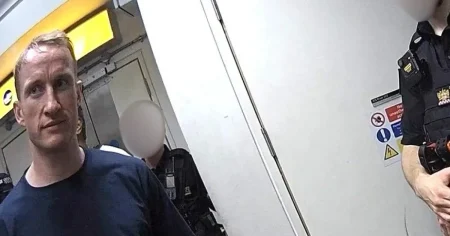
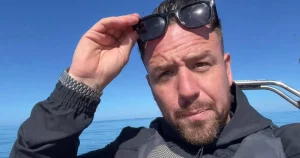
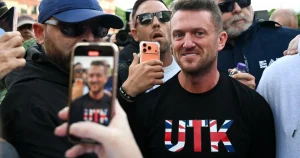
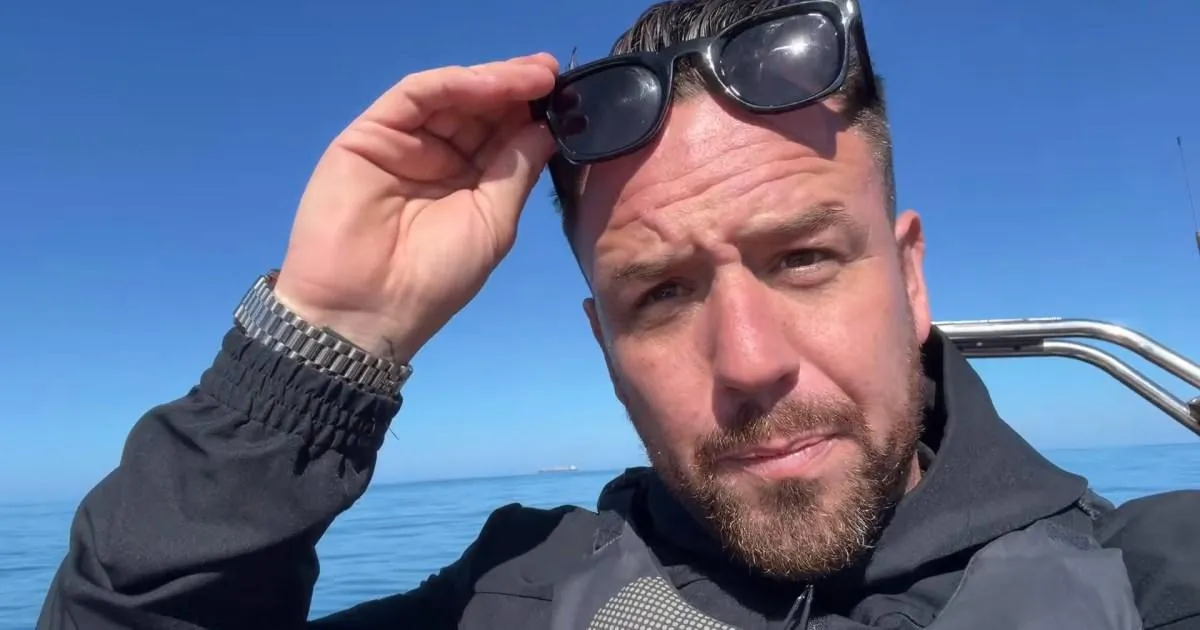
In a scene that could have been ripped from a dystopian film, a man named Daniel Thomas, better known to his followers as “Danny Tommo,” was captured on video performing an act so reckless and cruel that it defies comprehension. There he stood, aboard a small inflatable boat in the English Channel, a knife clutched in his hand, shouting “This is England. This is not France any more” as he proceeded to slash into the very vessel that had been deployed for rescue operations. The footage shows him cutting into the inflatable’s side while a rescue worker remained on board, surrounded by life jackets meant for saving people from the cold, unforgiving sea. What makes this even more alarming is that Thomas is no random troublemaker – he’s a far-right activist with documented connections to Tommy Robinson, and his actions represent a dangerous new frontier in the escalating campaign of intimidation against those who help migrants reach safety.
This incident, as shocking as it appears in isolation, is unfortunately part of a deeply troubling pattern that has been building across Britain. For consecutive summers now, we’ve witnessed anti-migrant violence erupting across the country, but this latest development marks a chilling evolution. Masked mobs have begun gathering on our shores, not just to intimidate the people seeking safety, but also to target the brave individuals who dedicate their lives to rescuing others from the treacherous waters of the Channel. The hatred of migrants has become so all-encompassing, so consuming, that even those who simply try to save lives at sea have become targets of this poisonous ideology. It’s a development that should alarm every decent person in this country, regardless of their political stance on immigration. When rescue workers – people who risk their own lives to save others without asking questions about nationality or legal status – become victims of this violence, we’ve crossed a line that should never have been approached.
The defenders of such behavior might try to justify it with arguments about protecting women and children, the same excuses we heard during the 2024 summer riots when migrant hotels were set ablaze and charities supporting migrants were attacked. But these justifications ring hollow and false. The far-right claimed to have legitimate concerns about safety, yet their actions spoke of something far darker – targeting communities, destroying property, and spreading terror. If those riots didn’t already cross every conceivable line of decency, then surely slashing an inflatable boat in the Channel with a person still on board must. There simply cannot be any legitimate political argument, any genuine concern about immigration policy, that makes endangering a rescue worker’s life acceptable. We’ve somehow reached a point where attacking a rescue boat is presented as more morally defensible than showing basic human compassion to people fleeing war zones, persecution, and unimaginable hardship.
The Royal National Lifeboat Institution and other rescue organizations don’t discriminate in their life-saving work – they don’t check passports or immigration status before deciding who deserves to be pulled from the freezing waters. Their volunteers respond when anyone, regardless of who they are or where they come from, finds themselves in trouble at sea. Yet for this unbiased, humanitarian work, RNLI crews have faced protests, abuse, and intimidation. Just weeks ago, the Portsmouth lifeboat station was forced to temporarily close due to safety concerns following protests around a previous Channel rescue operation. This should frighten everyone who understands the importance of maritime safety. If volunteers become too terrified to perform their duties because they might be targeted for helping the “wrong” people, then everyone who relies on these services is put at greater risk. The chilling effect of this intimidation campaign extends far beyond the migrant community – it threatens the very fabric of our coastal safety net.
To truly understand the stakes, we need to recognize what drives people to attempt such dangerous crossings in the first place. The English Channel is not a casual journey – it’s a treacherous stretch of water that claims lives every single year. Those who attempt it know the risks they’re taking, and they make that choice because they see no other option. Many have fled unspeakable horrors – war, persecution, poverty – and view the crossing as their last chance at a better life for themselves and their children. In my own work within the migrant rights sector, I’ve met numerous individuals who made that harrowing journey, and each one had a story that would break your heart. They’re not statistics or political talking points – they’re human beings deserving of dignity and compassion, just like anyone else. The irony is that despite all the hysteria about “invasion” and “floods” of migrants, this year has actually seen crossings reach a six-year low. The numbers simply don’t support the panic, which makes you wonder what’s really driving this hatred.
The truth is that this was never really about numbers or resources or any of the rational-sounding arguments put forward by anti-migrant campaigners. Anti-migrant sentiment has become a vehicle for something far more sinister – the systematic normalization of violence against migrant communities and anyone who dares to help them. Politicians across the spectrum have made immigration and small-boat crossings central to their campaigning, stoking fears and creating a culture where extremists feel emboldened to take matters into their own hands. The result is livestreamed confrontations at sea, rescue workers becoming scapegoats, and migrant communities living in ever-increasing fear. It’s well past time for our political leaders to strongly condemn this escalation of violence and intimidation, not just with words but with meaningful action. Every day that passes without firm condemnation makes our country less safe for migrant communities, for those who welcome them, and for the diverse, multi-ethnic Britain that many of us are proud to call home. The Britain I know and love is one that meets people in need with compassion and care, not knives and vitriol – and that’s a tradition worth fighting to protect, no matter how difficult the battle becomes.