


James Gillingham, a 38-year-old fraudster nicknamed “The Wolf of Essex,” has been jailed for five years and six months after masterminding a £1 million Ponzi scheme that callously destroyed the life savings of ordinary people. Between June 2015 and October 2016, he ran a team of cold-callers posing as investment brokers. They contacted victims with promises of substantial profits and guaranteed monthly returns, presenting themselves as successful professionals working for companies called Choice Option and Blue Crest Capital Options. In total, investors handed over £1,255,220.79. But as the court heard, not one pound of that money was ever invested. Instead, it was used to pay staff, cover office costs, and make fake dividend payments that kept the illusion alive. Gillingham himself pocketed more than £202,000, money that paid for a luxury waterfront apartment in Singapore while his victims back in Britain counted the cost of his deception. At Southwark Crown Court, he pleaded guilty to fraud and concealing criminal property. Judge Martin Griffith told him plainly: “I consider that it was your fraud and you handled the money.” The sentence was a moment of accountability, but it could not undo the harm. One victim, who handed over more than £35,000, described the investment as “supposed to be our lifeboat, instead it was our Titanic.” That devastating image captures the cruelty of the scheme. The victims were not greedy people chasing quick riches; they were hardworking individuals trying to protect their futures. Gillingham and his team exploited their trust with calculated indifference, using aliases borrowed from television dramas such as Harvey Specter from Suits and Jonathan Hart from Hart to Hart to appear sophisticated and trustworthy. Behind those fictional names lay a cold, systematic fraud that lasted for more than a year and left a trail of broken finances and broken spirits.
The mechanics of the fraud were as simple as they were devastating. Prosecutor James Fletcher described it as a “boiler room fraud” built on cold calls and brochures. Gillingham’s callers would contact unsuspecting people and pose as experienced brokers, using aggressive sales tactics to persuade them to invest. They pleaded with potential victims, made them feel they were missing out on a rare opportunity, and accused reluctant investors of wasting the traders’ time. The investment products were later described as “categorised as risky investments that are now prohibited by the financial investigator.” There was no legitimate investment behind any of it. The entire operation was a classic Ponzi scheme: money from new investors was used to pay supposed returns to earlier investors, which meant the fraud had to keep growing. Fresh victims were constantly needed to keep the illusion alive. When existing investors asked for their money, they were given excuses or small “dividend” payments taken from someone else’s savings. The psychological manipulation was deliberate. It preyed on politeness, on the reluctance to be rude, and on the fear of losing a chance to secure a better future. One victim said they felt terrible for recommending the investment to their own family, a line that reveals how the fraud spread through personal trust. Another described being left feeling “depressed, humiliated, hurt and angry.” These were not anonymous losses on a balance sheet; they were real people who had been lied to, manipulated, and left to deal with the consequences alone. Gillingham was described as the prime mover behind the fraud, the person who set up the companies, hired the staff, and directed the operation. While his callers pretended to be characters from popular TV shows, they were really actors in a script designed to empty bank accounts and disappear.
The human cost of Gillingham’s scheme is difficult to overstate. The total loss of £1,255,220.79 is a number, but behind it are dozens of individual stories of shattered dreams and financial ruin. One victim, who lost more than £35,000, described the investment as their “lifeboat”—the money they had set aside to rescue themselves in times of trouble. Instead, it became their “Titanic,” pulling them under. Another victim said that losing more than £45,000 had set their life back by five or six years. That is not just a financial setback; it is years of missed opportunities, delayed retirement, postponed plans, and added stress. The emotional impact was just as severe. One victim spoke of being left feeling “depressed, humiliated, hurt and angry.” The humiliation is a recurring theme among fraud victims: they blame themselves for being deceived, even though the deception was sophisticated and designed to overcome suspicion. The shame can be so intense that people do not tell friends or family, compounding their isolation. Another victim admitted to recommending the investment to relatives, meaning the damage spread beyond their own finances. They had to live with the guilt of having pulled loved ones into the same trap. For many, the money was not spare cash. It was life savings, accumulated over decades of hard work. It was meant to pay for a child’s education, cover medical bills, or provide a comfortable retirement. Gillingham and his team treated that money as their own personal fund, spending it on salaries, office costs, and “dividends” to keep the illusion alive. Around £650,000 went to staff, including more than £70,000 to Sujanthan Sotheeswaran, described as Gillingham’s lieutenant. Investors were paid £167,681 in supposed dividends, money that actually came from other victims. Around £170,000 was spent on office costs and running expenses. Every pound spent was a pound stolen from someone who had trusted the promise of a brighter future. The callousness of the operation is hard to reconcile with the human faces of those who lost money, but the court case has brought those details to light, showing exactly how the scheme worked and who was responsible.
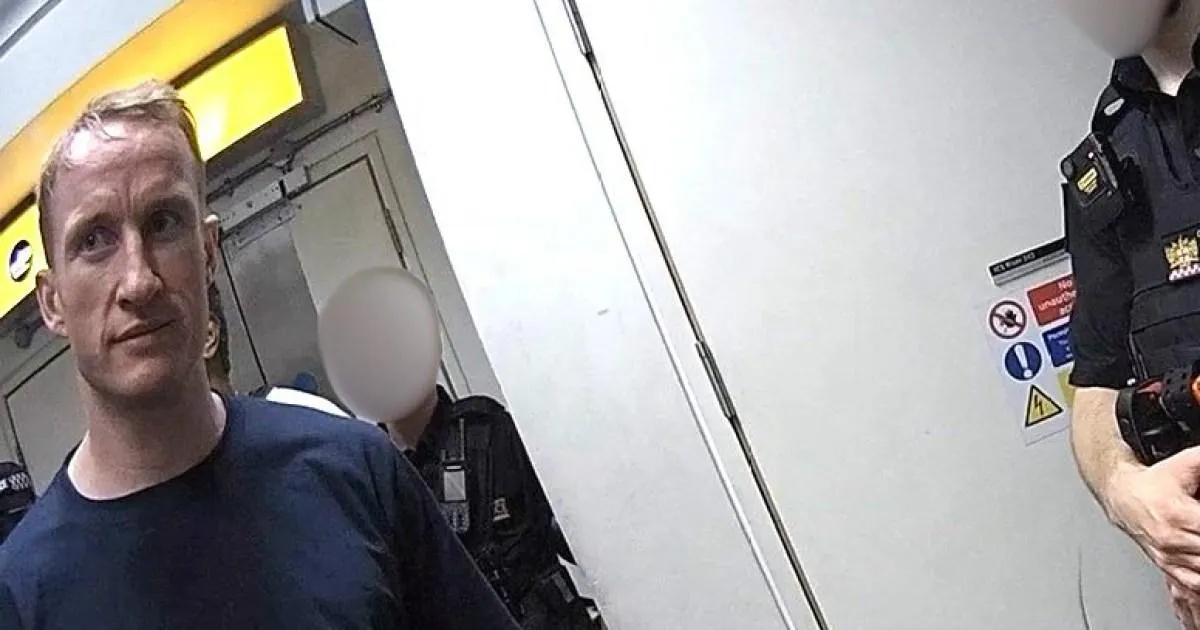
While his victims struggled to rebuild their lives, James Gillingham lived well. He left the United Kingdom in 2016 and spent years abroad, avoiding the investigators who were trying to bring him to justice. He settled in Singapore, where he had a luxury waterfront apartment, a lifestyle funded at least in part by the £202,000 he took from the fraud. The image of Gillingham enjoying a comfortable life in a high-rise apartment overlooking the water is a stark contrast to the image of a victim sitting at a kitchen table, trying to figure out how to pay the bills after their life savings disappeared. For years, it seemed as though he might escape the consequences altogether. His co-defendants were sentenced in 2024, but Gillingham remained outside the UK, beyond the reach of British courts. His time abroad was not trouble-free, however. He was convicted of an assault charge in Singapore, a detail that adds another layer to his character. Eventually, the authorities caught up with him. He was deported back to the UK in August 2025 and arrested at Heathrow Airport upon his return. Even then, he attempted to manipulate the system, trying to secure bail using a fake tenancy agreement for a rental property. The court was not persuaded. He remained in custody until his sentencing. The judge’s comments at the sentencing hearing made clear that Gillingham was the central figure in the fraud, not a minor player who had been led astray. “I consider that it was your fraud and you handled the money,” the judge said. He added: “This has been described throughout as a £1million fraud. That is a reference to the loss caused. As a Ponzi fraud there was a need to attract further investors to allow sums to be repaid to keep original investors sweet. The effect of the evidence was that fresh investors were always being sought throughout the operational period.” Gillingham was not just a fraudster; he was a leader who directed others in the commission of the crime. Three others involved in the scheme had already been sentenced: Sotheeswaran received three years, Denis Deegan received two years and eight months, and Darren Peck was given a 21-month sentence suspended for two years. Gillingham’s sentence of five years and six months reflects his greater responsibility.
The investigation and prosecution of Gillingham involved multiple agencies and years of work. Financial investigator Hayley Wade, from the City of London Police, described Gillingham as “the driving force behind a sophisticated investment fraud that caused significant financial losses to victims.” She noted that while his co-defendants were brought to justice in 2024, Gillingham remained outside the UK and attempted to avoid facing the consequences of his actions. His arrest at Heathrow Airport was the culmination of that effort to bring him back. The Crown Prosecution Service also played a role in securing the conviction. Kate Hurst, from the CPS, said: “While James Gillingham’s prison sentence brings one chapter to a close, we must remember the victims who continue to live with the consequences of his fraud.” That statement is a reminder that the criminal justice process, while important, cannot fully repair the harm caused. The victims will continue to live with the financial and emotional scars for years to come. But the CPS is not finished with Gillingham. Under the Proceeds of Crime Act, prosecutors will seek to recover any criminal assets held by him and pass the proceeds to his victims as compensation. That process can be lengthy and complicated, but it offers some hope that the victims may recoup at least a portion of their losses. The case also serves as a warning about the dangers of unsolicited investment offers. Boiler room frauds like this one are not rare, and they continue to evolve. Cold calls may be replaced by emails, social media messages, or fake investment websites, but the underlying tactics remain the same: urgency, secrecy, and promises of high returns with little risk. The use of fictional aliases from popular TV shows may seem almost absurd in hindsight, but at the time, it helped create an impression of a glamorous, successful trading operation. Victims were not foolish; they were deceived by a carefully constructed illusion. The fact that Gillingham was able to operate openly for over a year, employing a team of callers, renting office space, and paying staff, shows how easily such schemes can be disguised as legitimate businesses. It was only through the persistence of investigators and the willingness of victims to come forward that the truth was uncovered.
In the end, the story of James Gillingham is a story about trust and betrayal. He was not a shadowy figure lurking in a dark alley; he ran a professional-looking operation with brokers, brochures, and offices. He and his team adopted names from television dramas, making themselves sound like characters who always won. But in reality, they were con artists who preyed on ordinary people. The nickname “The Wolf of Essex” might sound almost glamorous, evoking the excesses of finance culture, but there was nothing glamorous about the results. There were no luxury yachts for the victims, no champagne celebrations, no happy endings. There were only empty bank accounts, broken trust, and the painful realization that the people who promised to protect their money had stolen it. Gillingham’s jail sentence is a measure of accountability, but it cannot restore the years lost or erase the humiliation felt by those who were deceived. The CPS’s commitment to pursuing his assets offers some possibility of financial reparation, but the emotional damage is not so easily remedied. For the victims, the process of rebuilding will continue long after the headlines fade. Some may never fully recover their savings. Others may recover financially but carry the psychological burden for life. The case also underscores the importance of vigilance. Investment opportunities that guarantee returns, pressure you to act quickly, and rely on cold calls or unsolicited messages should always be treated with suspicion. Legitimate investments carry risk; anyone who promises certainty is lying. Gillingham and his team used every tool of manipulation to separate people from their money. They exploited hope, politeness, and fear. They made victims feel special by giving them access to a “broker” named Harvey Specter. They made them feel rude if they hesitated. They made them feel foolish when they asked questions. And when the money was gone, they moved on to the next victim. The judge’s words at sentencing were a final, fitting rebuke: “I consider that it was your fraud and you handled the money.” It was a simple statement of fact, but it carried the weight of all the evidence heard in court. James Gillingham is now in prison, and the “Wolf of Essex” has been stopped. But the memory of his crimes remains, a cautionary tale about the cost of greed and the importance of protecting the vulnerable from those who would exploit them.