

1. The Ordinary Street That Became a Nightmare
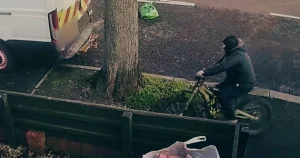
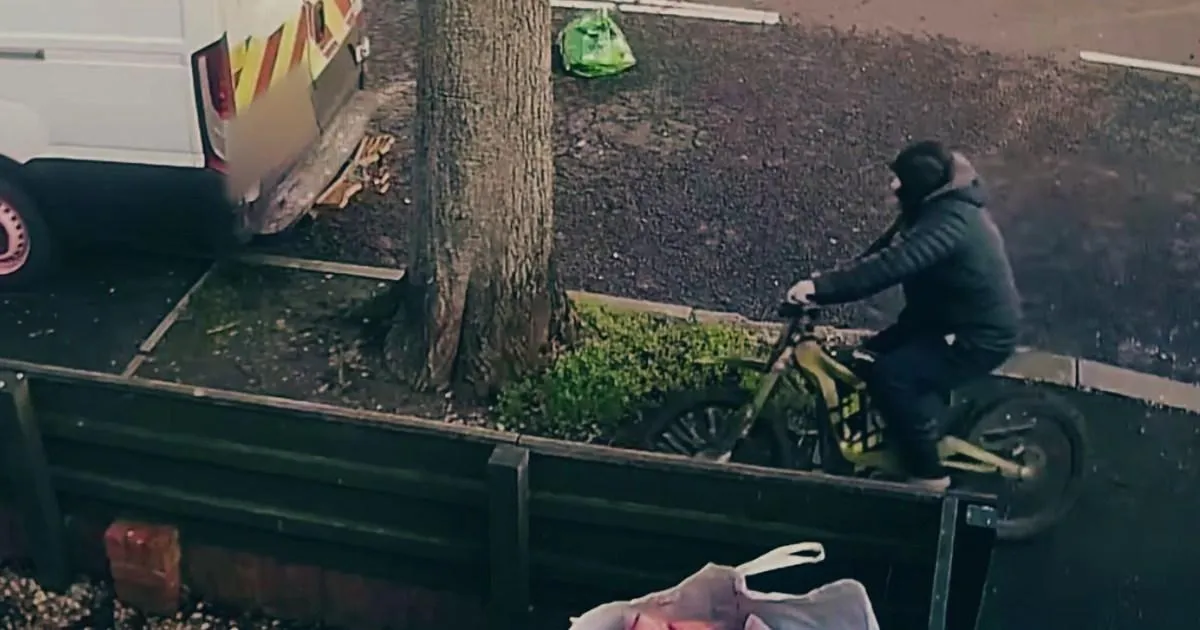
There is a certain quiet rhythm to suburban streets in the middle of the day—the hum of a lawnmower, the distant bark of a dog, the soft creak of a bicycle chain as a father pedals home from an errand. On January 31, in Thornaby, North Yorkshire, that rhythm was violently shattered. A 46-year-old father of seven was cycling along Thorntree Road, probably thinking about ordinary things—dinner, work, the weekend, maybe the sound of his children’s laughter. He had no idea that within moments, his life would be stolen from him in a heartbeat by two teenagers on illegal electric off-road bikes. The boys, both just 15 at the time, were captured on CCTV weaving through residential streets at high speed, popping wheelies on pavements, their heads unprotected by helmets, their bikes not legal for road use. They were not joyriding in some distant field; they were tearing through the very streets where people walk their dogs, push prams, and ride bikes. What happened next was not an accident in the abstract sense—it was a chain of reckless choices, each one a small decision that led to one devastating, life-altering moment. The father, a man with seven children who needed him, was about to become the victim of a crime that would leave him hospitalized, brain-injured, and dependent on round-the-clock care for the rest of his life. The ordinary street would never be ordinary again. The family would never be the same. And two teenagers, now 16, would stand in court and face the consequences of a few minutes of thoughtless, illegal fun.
2. The Crash and the Cruel Aftermath
The dashcam footage is the kind of evidence that makes your stomach turn. The two boys are seen overtaking a car on Thorntree Road, not in a controlled, careful way, but at speed, swerving dangerously, their small frames balanced on machines built for dirt and gravel, not tarmac. Then comes the moment of impact. The 46-year-old cyclist, caught off guard, is wedged between his own bike, the hard asphalt, and a parked car. The collision is brutal, unforgiving. His body takes the full force of the bike and the boys’ momentum. One of the teenagers, instead of stopping, instead of screaming for help, tries to flee the scene. The other boy, perhaps panicking, perhaps thinking only of himself, removes the illegal bikes from the road—evidence disappearing like smoke. It is a deeply cruel act. In those first few seconds, when every second matters, when the victim lies broken and bleeding on the cold ground, the priority was not his life. It was their own escape. The father was left there, his world collapsed, his body shattered, his future erased. He was rushed to the hospital, but the damage had already been done. The injuries were significant, described in court as life-changing. Eight months later, he remains in hospital, unable to go home to his children, unable to walk out into the sunshine, unable to hug his family. The crash did not just break his bones; it severed him from his entire life.
3. The Investigation, Charges, and a Painfully Light Sentence
Cleveland Police’s Collision Investigation Unit worked methodically, carefully, with the kind of quiet determination that seeks justice for those who can no longer fight for themselves. They collected the CCTV, the dashcam footage, the witness statements. They identified both boys, arrested them, and built a case. One teenager was charged with causing serious injury by dangerous driving, driving without a licence, and driving without insurance. The second rider faced a more complex set of charges: perverting the course of justice for removing the illegal bikes from the scene, possession of a class B drug, driving without a licence, driving without insurance, and dangerous driving. The boys, now 16 and protected by legal anonymity, pleaded guilty. On September 2, they stood before a judge and waited. The sentence, when it came, felt like a slap on the wrist to those who had watched a man’s life dissolve. The judge disqualified both from driving and issued each a referral to the Youth Offending Team. One of them was ordered to pay £495 in compensation—a sum that feels almost insulting when measured against the cost of round-the-clock care, the lost years, the endless medical appointments. There was no lengthy prison sentence, no long-term consequences beyond a driving ban that will eventually end. For the victim’s family, the sentence was a second blow. They had watched their husband and father fight for his life, and they had hoped for justice. What they got was a legal system that seemed to underestimate the magnitude of what was taken.
4. A Family’s Life Sentence and a Police Officer’s Disappointment
Detective Constable Nichola Lamport, the investigating officer, did not hide her feelings. After the sentencing, she spoke to the press, and her words carried a weight of frustration and sorrow. “The actions of these two young boys have left a father-of-seven hospitalised, unable to be at home with his family, and in need of around-the-clock care,” she said. “We presented a thorough and robust investigation to the courts, working closely with the family of the victim, and we are all disappointed with today’s sentence.” Her disappointment is not just professional—it is deeply human. She has seen the evidence, she has looked at the photos, she has spoken to the children who lost their father in all but physical presence. She knows that this man’s life sentence was handed down by two boys who simply wanted to ride fast and show off. It is very fortunate, she said, that he didn’t lose his life. “It could have happened so easily, but his injuries will impact him for the rest of his life.” For the family, the sentence is not a moment of closure; it is a reminder that the justice system can never fully understand the scale of their loss. The father is still alive, but he is not living. He is not coaching his kids’ sports teams, not arguing with teenagers, not grumbling about bills. He is in a hospital bed, or a care facility, dependent on others for the most basic needs. The boys will eventually move on with their lives, but this family will never move on from this.
5. The Bigger Picture: The Scourge of Illegal E-Bikes
This case is not just about one tragic accident; it is a symptom of a much larger problem facing communities across the UK. Illegal e-bikes and electric off-road bikes have become a menace on residential streets. They are fast, silent, and often in the hands of young riders who have no licence, no insurance, and no understanding of the danger they pose. They weave through traffic, ride on pavements, and treat pedestrian crossings like ramps. Parents push prams in fear, elderly people flinch at the sound of an approaching motor, and law-abiding cyclists share the road with unlicensed teenagers who weigh as much as the bikes they ride. The teenagers in this story did not set out to ruin anyone’s life. They probably thought they were invincible, that nothing bad could happen, that the rules were for other people. But the road does not care about intentions. The road is unforgiving. And when you ride an illegal bike at speed through residential streets, you are not just breaking the law—you are holding a lottery ticket with someone else’s life. This crash could have been prevented. It should have been prevented. Parents need to know where their children are and what they are doing. Communities need to report illegal riding. And the authorities need to take these machines off the streets before another father, mother, or child is taken. This is not a moral panic; it is a public safety crisis. And this family is living proof of the cost.
6. A Quiet Reflection on Justice and Loss
In the end, what is there to say? A man went out for a bike ride and never came home. A family was shattered in seconds by two boys who wanted to have fun. A judge handed down a sentence that felt inadequate to those who loved the victim most. And two teenagers, now with criminal records, will have to live with the knowledge that their actions changed the course of many lives. Perhaps, one day, they will understand the full weight of what they did. Perhaps they will lie awake at night and think about the father they never knew, the children who will grow up visiting a hospital instead of a playground. Perhaps they will feel guilt, or perhaps they will rationalize it away. But for the victim’s family, the pain is not a sentence to be served; it is a lifelong companion. They will learn to navigate this new reality, but they will never be the same. Detective Constable Lamport said it best: it is very fortunate that this man didn’t lose his life, but his injuries will impact him for the rest of it. And so we are left with a story that is not just about a crash, or a sentence, or a legal case. It is about the fragility of life, the consequences of recklessness, and the quiet, unrelenting love of a family who will not stop advocating for their husband and father. They are the real victims. And they deserve so much more than £495. They deserve a future.