

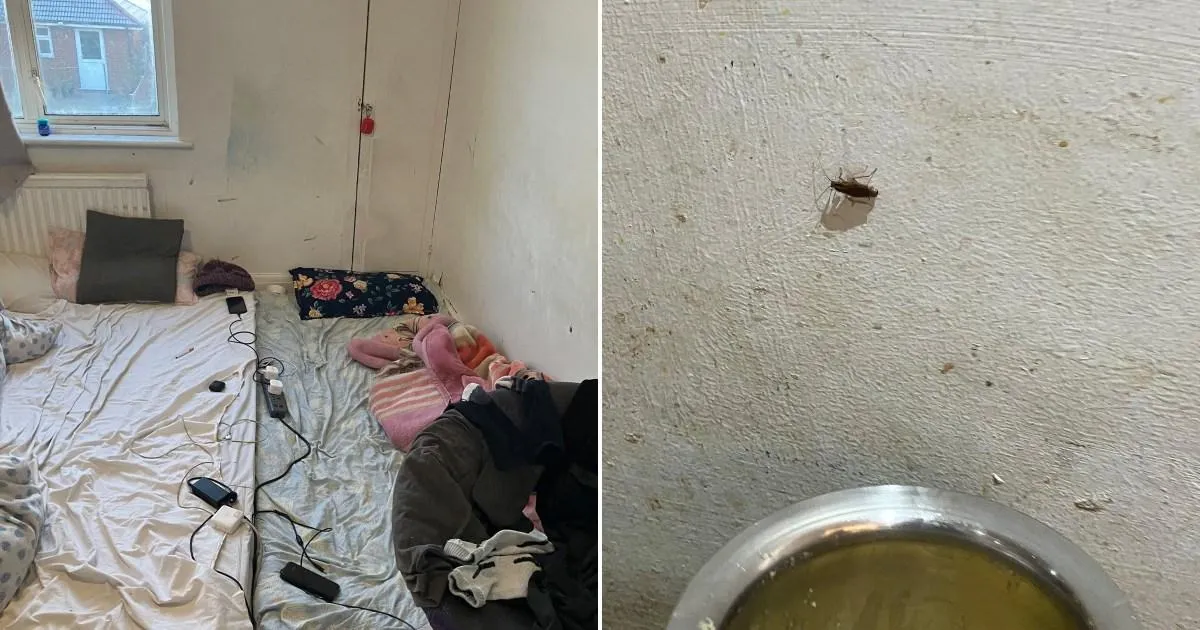
On a quiet residential street in Wembley, northwest London, there is a house that probably looked unremarkable from the outside. Nothing about its front door, its windows, or its garden would have hinted at what was happening behind them. But inside, the property had become a place of fear, discomfort, and neglect. At one point, 21 people were living there at the same time, including three children and a baby. That number was more than double what the property was legally allowed to hold. They were packed into rooms, sharing whatever space they could find, all while dealing with a home overrun by cockroaches. The stove was broken. Doors were missing. Fire safety measures had been ignored. This was not a simple case of a landlord being slow to make repairs. It was a serious, sustained failure to care for human beings. For the people who lived there, home was not a sanctuary. It was a hazard. And when they finally raised their voices and complained to Brent Council, it set off a chain of events that would end in court, with criminal convictions and combined penalties exceeding £100,000 for two men who put profit before people.
The evidence presented in court painted a deeply disturbing picture of daily life inside the property. The house was not just overcrowded; it was dangerous in ways that went far beyond broken appliances and peeling paint. The cockroach infestation alone was enough to make any parent anxious, particularly with young children and a baby in the home. Cockroaches can trigger asthma, carry bacteria, and make people feel unclean in their own homes. But the problems did not stop there. The broken stove meant that families could not reliably cook warm meals, forcing them into difficult choices about food and money. Missing doors meant a complete lack of privacy, something that is especially difficult for families and strangers sharing a crowded house. There was also the terrifying issue of fire safety. With alarms and escape routes in disrepair, a small fire could have turned into a tragedy. In the eyes of the court, these conditions amounted to Category One harm, the highest and most serious level of housing hazard. That official label matters because it confirms that this was not merely uncomfortable or unpleasant living. It was life-threatening. It is hard to imagine how anyone, let alone a family with children, could feel safe sleeping in a place where the basic systems meant to protect them had been allowed to fall apart.
The legal proceedings that followed were significant. The property was being managed by Meet Valand, who was described as the property manager, and Vispap Sarkari, who handled the property and its rent collections. When tenants raised their concerns, Brent Council officers launched an investigation and found a swathe of serious issues. Valand was ultimately convicted of seven offences and ordered to pay £40,000 in fines, along with a £2,000 victim surcharge and £3,183.85 in prosecution costs. Sarkari, meanwhile, was also convicted. The court heard that he had failed to meet basic safety and maintenance standards, including not fixing problems with fire alarms, fire safety equipment, escape routes, a damaged porch door, and cracked bathroom fixtures. What made Sarkari’s case even more troubling was that he had previous housing offences on his record. This was not a first mistake or a simple misunderstanding. It was a pattern of behaviour. Sarkari was fined £50,000, plus another £2,000 victim surcharge and £3,183.85 in prosecution costs. Because of his previous convictions and these latest findings, he is now eligible for a banning order, which would prohibit him from letting or managing residential properties in the future. The financial penalties are substantial, but they also raise an uncomfortable truth: no fine can fully undo the stress, danger, and indignity that the tenants lived through.
For Brent Council, this case was about more than punishing two individuals. Councillor Robert Johnson made that clear when he said that the convictions should serve as a warning to any landlord or property manager in Brent who chooses to ignore their responsibilities and put profit before people. His words carry weight because they speak to a much wider problem. Across London and the rest of the country, thousands of tenants live in homes that are unsafe, unhealthy, or overcrowded, often because they have nowhere else to go and no idea how to fight back. Rogue landlords operate in the shadows, relying on tenants who are desperate, uninformed, or afraid of eviction. They count on people staying silent. But this case shows what can happen when tenants refuse to be ignored. Brent Council’s use of property licensing was central to uncovering the truth. Licensing gives councils the power to inspect homes, set standards, and hold landlords accountable. It is not just paperwork; it is a safety net. The councillor’s statement also encouraged residents to report poor conditions and unlawful practices, so that the council can protect tenants and hold landlords to account. Those words matter because too many people worry that speaking up will make things worse. This case proves that reporting a problem can lead to real consequences, and that local authorities can and will act when they are given the chance.
Behind the legal language and the court orders, there is a deeply human story. Think about the tenants who had to navigate their lives in a house that was never designed to hold so many people. Think about the children, who should have been spending their days playing, learning, and growing up in a safe environment. Instead, they were surrounded by cockroaches, broken fixtures, and the constant worry that comes from living in a place where nothing works properly. Overcrowding takes a toll on physical and mental health. It makes it harder to sleep, harder to study, and harder to feel like you have any control over your own life. For the parents, the stress must have been overwhelming. They were trying to care for their families in a home that was working against them at every turn. A broken stove is not just an inconvenience; it is a constant reminder that you are not being treated with respect. A missing door is not just a maintenance problem; it is the loss of privacy, comfort, and basic dignity. And knowing that fire safety equipment was not working must have been terrifying. For the baby, the risks were even greater. Infants are among the most vulnerable people in any household, and exposing them to such conditions was nothing short of reckless. The tenants who complained to the council showed courage. They took a risk and raised their voices, and in doing so, they helped expose a system of neglect that might otherwise have continued unchecked.
This case is now closed, but its impact should not be forgotten. The fines and convictions send a message that no landlord is above the law, and that housing is about more than collecting rent. It is about giving people a place where they can feel safe, settle down, and build their lives. The possible banning order for Sarkari is particularly important because it could stop him from ever entering the housing business again, protecting future tenants from the same ordeal. But cases like this also remind us that enforcement alone is not enough. The housing system as a whole must do more to protect people, especially in cities where rising rents and housing shortages make it easier for unscrupulous landlords to exploit tenants. Councils need the resources and the powers to inspect properties, respond to complaints, and take legal action when necessary. Tenants need to know their rights and trust that reporting problems will not lead to revenge or eviction. And landlords need to understand that safe housing is not an optional extra; it is a legal and moral obligation. The house on Bassingham Road was more than double its permitted occupancy. It was infested, unsafe, and unfit for human beings. But thanks to the courage of the tenants and the work of Brent Council, it is no longer a hidden scandal. It is an example of accountability. Every family deserves a home they can rely on, a place where doors close, stoves work, alarms are tested, and children can sleep without fear. The fight for that kind of housing is ongoing, and this case is one small but important victory in a much larger battle.