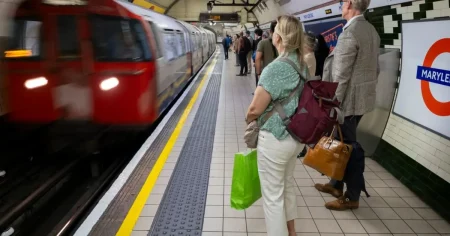



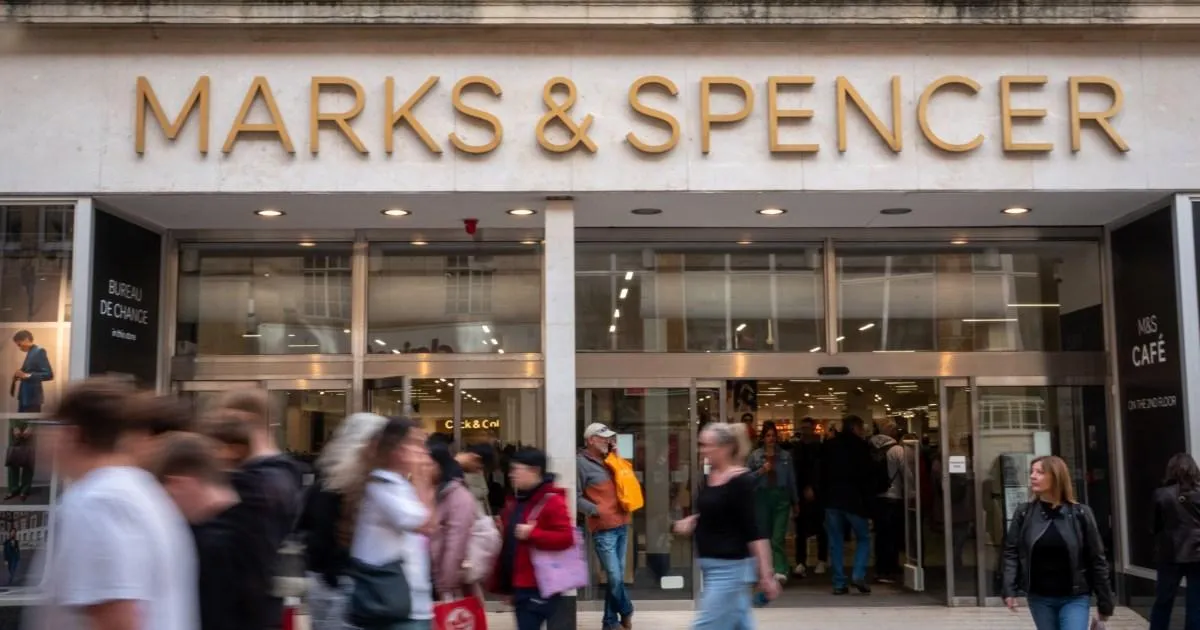
For years, the UK high street has felt like a landscape in decline, defined by the shuttering of iconic storefronts and the creeping quiet of once-thriving town centers. From major restaurant chains like Beefeater and Brewers Fayre to retail staples, the economic tide has been unforgiving, leading to job losses and empty windows. However, recent research suggests that the solution to this crisis might not be found in massive corporate restructuring, but in the subtle, sensory details of the shopping experience. A new study by Faire involving 2,000 shoppers indicates that when a store prioritizes atmosphere, it doesn’t just attract customers; it invites them to stay longer and spend significantly more—up to £1,100 extra per year per person.
The science behind this shift is rooted in the way we process our surroundings. Experts in consumer behavior argue that the “high street revival” is less about complex business strategy and more about neuroscience. When a shop curates its environment—through intentional lighting, pleasant scents, and a thoughtful playlist—it triggers emotional responses that make us feel more relaxed and connected. This psychological comfort translates into a higher perception of value, making the act of shopping feel like an experience rather than a chore. It turns out that for the average Brit, the difference between a quick, begrudging errand and a leisurely, profitable browse is often just the scent of vanilla or the soft glow of warm amber lighting.
Of course, getting the atmosphere “right” is a delicate balancing act. The study highlights that while shoppers respond well to specific scents like fresh linen, sandalwood, or coffee, they are equally quick to notice (and reject) sensory overload. Overpowering fragrances, erratic lighting, or music that is played at an uncomfortable volume are significant turn-offs that drive people away. Authenticity is the bridge between a commercial space and a community hub; shoppers are keenly aware when a store owner has put genuine, human thought into their layout. It isn’t about creating a sterile, perfect showroom, but rather about crafting a space that feels intentional, tidy, and easy to navigate.
Individual stories from shoppers echo these findings, revealing that our modern shopping habits are fueled by a desire for connection and clarity. For many, the frustration of the current high street experience isn’t just about prices—it’s about a lack of transparency and a feeling of being harassed by staff. Retirees and professionals alike expressed a preference for stores where prices are clearly marked and staff offer a polite, low-pressure welcome rather than an aggressive sales pitch. We want to be treated as guests in a space, not as targets for a quota, and there is a profound appetite for the unique, independent retailer who can offer a knowledgeable conversation alongside a curated product.
The role of music, perhaps surprisingly, is a cornerstone of this atmospheric revival. The study suggests that genres like R&B, pop, and 90s/2000s throwbacks serve as the ideal backdrop for browsing, creating a sense of nostalgia and ease. It is a reminder that the high street’s greatest strength is its humanity; it is a physical space where we can interact with our environment in ways that the digital world cannot replicate. When a store gets the balance right—keeping the shelves organized, the staff helpful but non-intrusive, and the ambiance calibrated to the customer’s mood—the shopper stops looking at their watch and starts looking at the shelves.
Ultimately, while the economic pressures on the UK high street are undeniably heavy, there is a clear path forward for those willing to pay attention to the details. The “death of the high street” narrative ignores the fact that we still value in-person retail; we just demand a higher standard of experience. By moving away from cluttered, noisy, and impersonal environments and toward spaces that honor our senses and respect our time, retailers can transform the high street from a place of mere utility into a destination. If the data is correct, the future of our towns depends on the simple, human touch: a warm light, a welcoming scent, and a bit of genuine care.