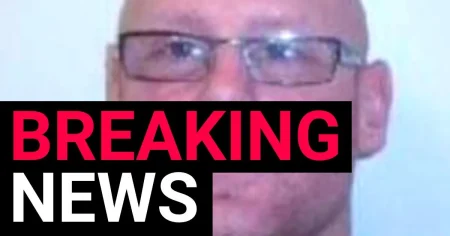


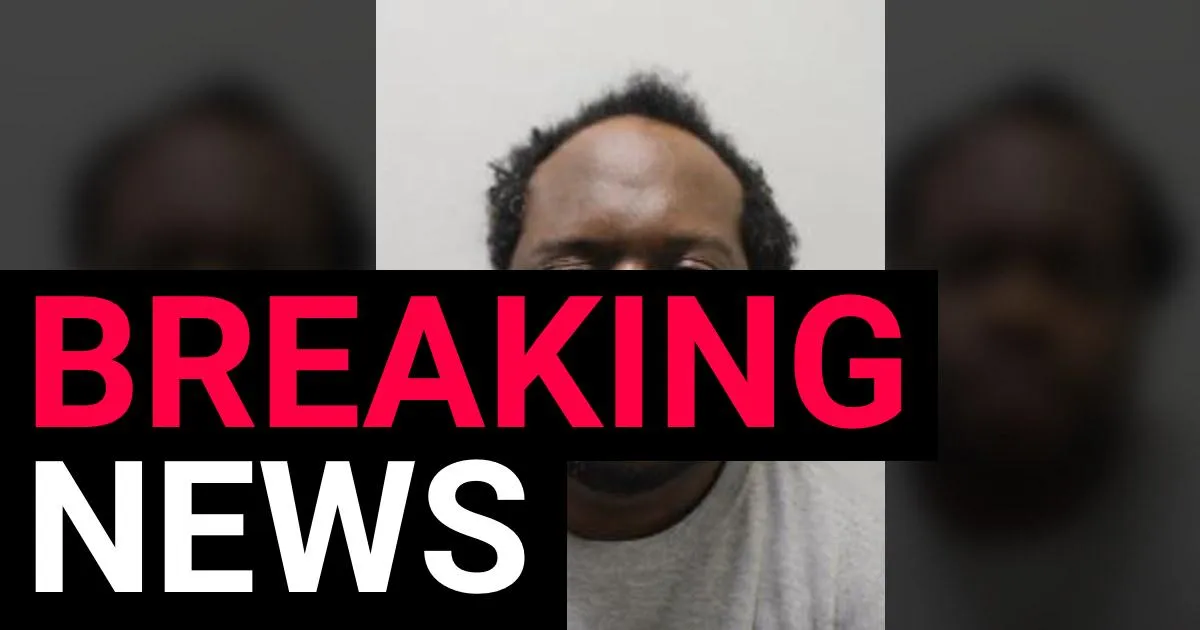
The case of Simon Levy, a 40-year-old man recently convicted at the Old Bailey, serves as a chilling reminder of the catastrophic failures that can occur when a predatory serial offender is left to operate unchecked. Levy has been found guilty of a horrific campaign of violence, including the murders of 53-year-old Carmenza Valencia-Trujillo and 39-year-old Sheryl Wilkins, as well as the brutal rape and attempted murder of a third woman. Currently facing a “whole life order,” which would ensure he spends the remainder of his days behind bars, Levy’s history reveals a man whose violent trajectory was clear long before his final, lethal acts. Despite a documented history as a registered sex offender and multiple prior convictions, the system failed to protect the vulnerable women he targeted, ultimately allowing a predator to claim lives while he should have been under closer scrutiny.
The timeline of Levy’s crimes highlights a terrifying escalation. In January 2024, he assaulted a woman in a Tottenham car park with such ferocity that he broke her collarbone and choked her until she lost consciousness. Even after she managed to report the attack, the investigative process faltered, and Levy remained at liberty. Just two months later, in March, he murdered Carmenza Valencia-Trujillo, whose body was discovered in a derelict block of flats. Alarmingly, even after being arrested and interviewed in connection with this discovery, he was released by police. Unrestrained, Levy went on to murder Sheryl Wilkins in August, hiding her body in the very same car park where his earlier, non-fatal assault had occurred.
The tragedy is amplified by the fact that Levy’s pattern of behavior was consistent and observable. Throughout his trial, prosecutors characterized him as a “predatory serial sexual attacker” who specifically sought out women he perceived as vulnerable, including those struggling with drug addiction or working in the sex trade. In a separate trial earlier this year, he was convicted of 11 counts of sexual assault against women on the London Underground and even a prison officer he targeted while previously incarcerated. It is devastating to consider that while these smaller, localized assaults were occurring—often with victims taking photos of their attacker to seek justice—the legal system did not move swiftly enough to stop his ultimate descent into murder.
In court, the defense attempted to cast doubt on the nature of the deaths, with Levy’s barrister arguing that the fatalities were not necessarily criminal acts, but rather potential drug-related incidents. They sought to frame his interactions with the women as consensual, a defense that crumbled under the weight of forensic evidence, including DNA traces and the survivor’s harrowing testimony. The survivor described the lingering sensory trauma of the attack, specifically the smell of her assailant’s hands, and shared her absolute terror as she drifted in and out of consciousness. The prosecution noted that Levy’s refusal to testify or explain his actions served as a “deafening” silence, underscoring his lack of remorse and his attempt to mask a pattern of calculated evil.
The forensic debate, which included testimony from a pathologist, centered on the difficulty of determining cause of death in cases involving potential strangulation, where physical evidence can sometimes be subtle. However, the accumulation of evidence—the location of the bodies, the physical signs of assault, and the sheer volume of his prior offending—painted an undeniable picture of a man who viewed women as disposable objects for his gratification. The failure to secure the streets against him during his time on bail is a point of profound pain for the families of his victims. His prior history of sexual assault, spanning back to 2018, provided a clear warning sign that, in this instance, the authorities failed to heed, with fatal consequences for those he targeted.
As the judicial process concludes, the focus must shift to the systemic failures that allowed a known sex offender to move through society as a ghost, claiming and destroying lives. The “This Is Not Right” campaign, and others like it, serve as a desperate call to address the national emergency of violence against women. Simon Levy is the face of a predator who exploited gaps in protection, but the tragedy remains that his violence was predictable and, with the right intervention, preventable. For the families of Carmenza and Sheryl, and for the survivor who miraculously lived to tell her story, the sentence of a whole life behind bars is the only outcome that offers a modicum of justice, though it can never undo the profound suffering caused by his actions.