


The geopolitical landscape around the British Isles has become noticeably more crowded and tense over the past year. The Royal Navy has recently sounded the alarm regarding a significant surge in Russian naval presence within UK waters, a trend that reflects the broader, often invisible, conflicts unfolding globally. Recent data confirms that naval operations dedicated to tracking these vessels saw a 25% increase this past July compared to the same period last year. This isn’t merely routine patrolling; it is a direct response to a complex game of cat-and-mouse that is playing out in the North Sea, the English Channel, and the North Atlantic, signaling an era of heightened maritime surveillance that echoes the Cold War.
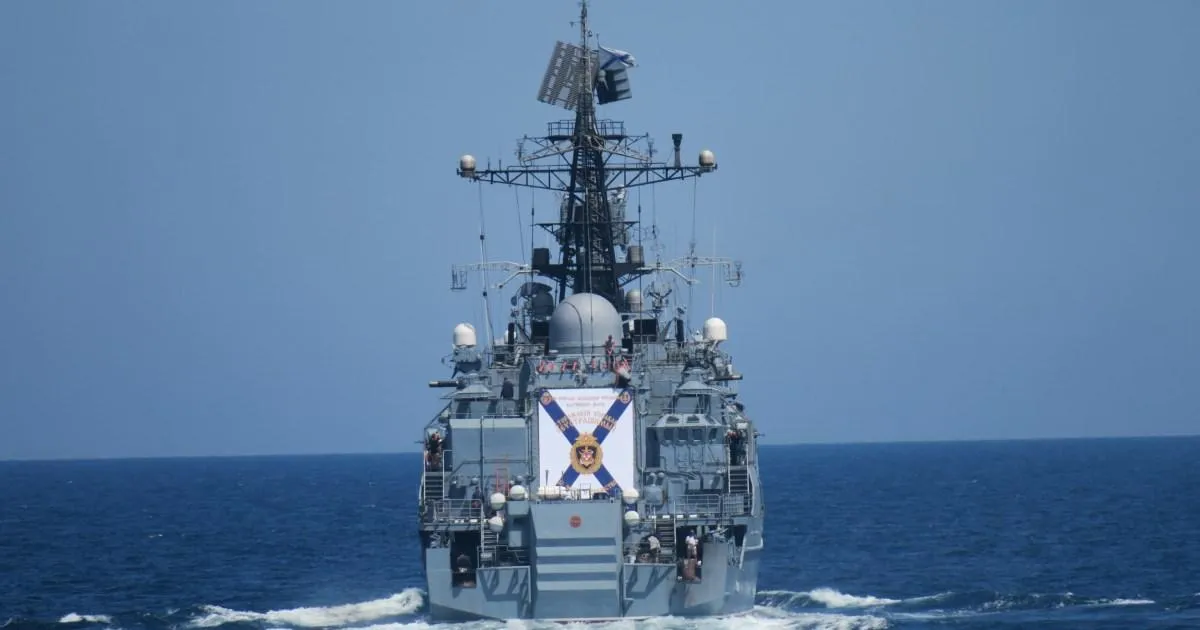
At the heart of this activity is the so-called “shadow fleet”—a vast network of roughly 700 ageing tankers that Russia utilizes to circumvent international sanctions. By operating these vessels, Moscow is effectively attempting to bypass the economic barriers set by Western nations, using the revenue from these oil exports to sustain its ongoing military efforts in Ukraine. To manage this, the Royal Navy has been forced to deploy offshore patrol vessels like the HMS Tyne, HMS Mersey, and HMS Severn. These ships have been tasked with shadowing Russian frigates, such as the Neustrashimy and Admiral Grigorovich, as they navigate sensitive transit points like the Dover Strait, ensuring that these shadow vessels remain under constant British oversight.
The intensity of these encounters is not merely observational; it occasionally borders on the provocative. In one notable instance on July 20, the HMS Tyne was forced to monitor the Neustrashimy while the Russian vessel conducted live-fire exercises dangerously close to British and French waters. Such maneuvers serve as a stark reminder that the seas surrounding the UK are not just commercial shipping lanes but are increasingly becoming a theater for displays of military posturing. These actions force the Royal Navy into a perpetual state of vigilance, as they must balance international maritime rights with the need to maintain security and deter potentially hostile activity right on their doorstep.
Further afield, the efforts of the British military extend deep into the North Atlantic, where the frigate HMS Somerset has been working in conjunction with Fleet Air Arm helicopters as part of a major four-month NATO mission. The primary objective of this deployment has been the detection and tracking of submarines, an essential task in an age where undersea infrastructure—such as telecommunications cables—has become a prime target for state-sponsored sabotage. Reflecting on the mission, Commander Matt Millyard spoke to the human element behind the steel hulls, emphasizing that the deployment was a testament to the Navy’s core mission: protecting the nation and its allies against shifting threats, regardless of where they may arise.
The operational pace is becoming relentless. Annual reports from the Ministry of Defence reveal that in the year leading up to March 2026, Royal Navy vessels were “activated” 116 times to shadow a staggering 61 Russian warships and 28 merchant vessels. This represents a 30% increase in activity over the preceding two years, illustrating a clear upward trajectory in maritime friction. These missions range from mundane monitoring to high-stakes interventions, such as the June seizure of the tanker Smyrtos by Royal Marines, which resulted in the vessel’s captain being charged with breaching sanctions. Whether it is tracking a spy ship like the Yantar lurking near vital undersea cables off the coast of Scotland or responding to sudden live-fire drills, the Navy is consistently tested.
Ultimately, these stories of naval intercept operations serve as a human reminder of the dedication required to keep national waters safe. For the sailors serving aboard these frigates and patrol ships, the work is long, often exhausting, and takes them away from their families for months at a time. The safe return of crews, such as those aboard the HMS Somerset, is a moment of profound relief for the families waiting at home, yet it also underscores the reality that these men and women are standing on the front line of an evolving international crisis. As the “shadow fleet” continues to navigate our waters, the Royal Navy remains the silent sentinel, ensuring that international law is upheld and that the security of the United Kingdom is never compromised by the shifting tides of global conflict.