

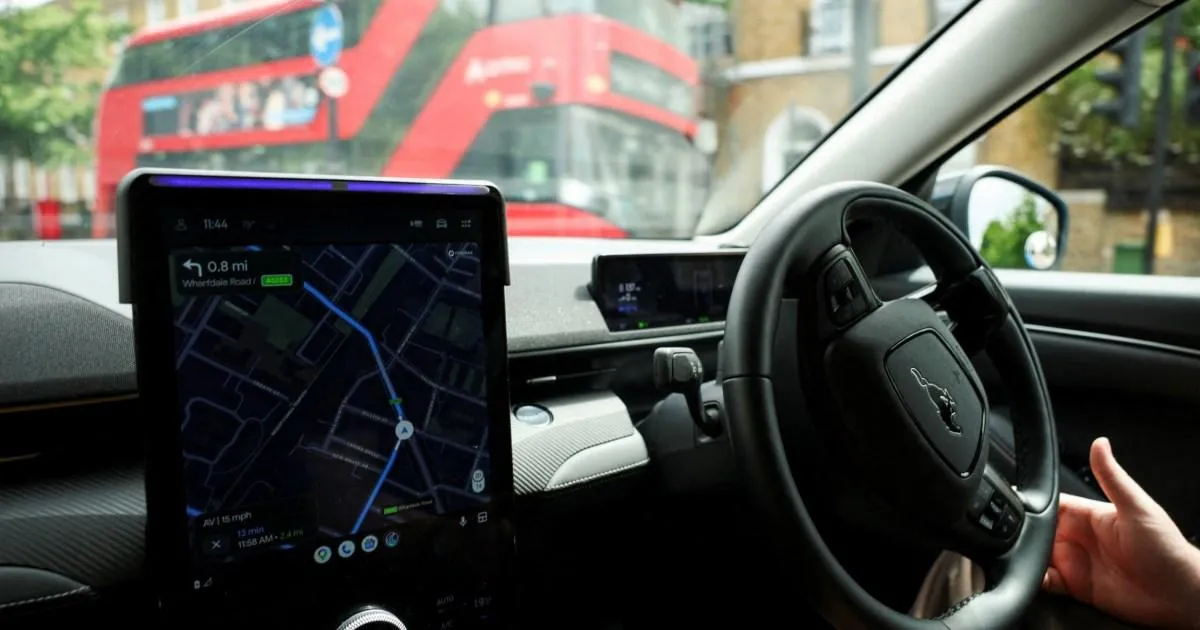
The landscape of urban transport in London is poised for a significant shift as the city approaches a historical crossroads. For years, the concept of self-driving taxis felt like a futuristic dream confined to science fiction or specialized test tracks, but the reality is now accelerating toward our streets. With Transport for London (TfL) officially granting minicab licenses to the autonomous technology firm Wayve, in partnership with Uber, the capital is preparing to become the world’s first testing ground for this innovative commercial service. While the sight of an electric Ford Mustang Mach-E navigating busy London intersections without human intervention remains a novel—and perhaps slightly surreal—experience, the regulatory path has been cleared, signaling that the era of the robotaxi is finally moving from the laboratory to the public road.
However, it is important to manage expectations regarding how this rollout will actually unfold. We are not looking at a sudden, city-wide revolution overnight; rather, the process will begin with a cautious, soft launch. Uber has confirmed that a select portion of the 100,000 individuals who have already registered their interest will receive invitations to experience these rides later this summer. During this introductory phase, the cars will not be entirely autonomous in the truest sense of the word. A human safety driver will remain firmly behind the wheel at all times, standing ready to intervene should the vehicle encounter a situation it cannot handle. Moving toward a fully driverless operation will require a separate, much more rigorous approval process from the Driver and Vehicle Standards Agency, ensuring that safety remains the absolute bedrock of the project.
The technology behind this leap is undeniably impressive, and those spearheading the initiative are keen to emphasize its potential benefits for the city. Sarah Gates of Wayve has framed the license as a vital milestone, envisioning a future where autonomous technology leads to cleaner, quieter, and ultimately safer streets. Similarly, Annie Duvnjak from Uber has expressed excitement over the overwhelming public interest, noting that the sheer volume of sign-ups proves that Londoners are genuinely curious about experiencing British-built autonomous innovation. From a technical perspective, the goal is to integrate these vehicles seamlessly into the existing urban fabric, contributing to a modern transportation ecosystem that evolves alongside the city’s growing demands for efficiency.
Despite the optimism emanating from tech developers and transport authorities, the road ahead is fraught with complexity, particularly regarding public safety. TfL has been clear that its primary mandate is the protection of its citizens, with a long-term goal of eliminating all deaths and serious injuries on London’s roads by 2041. For any new vehicle to operate within this framework, it must meet stringent criteria that prove it is at least as safe as, if not safer than, a human-operated vehicle. This creates a high bar for Wayve and Uber, who are under constant scrutiny to demonstrate that their algorithms can navigate the unpredictable, high-pressure environment of London traffic without compromising the safety of pedestrians, cyclists, or other motorists.
The arrival of robotaxis has inevitably sparked a heated debate regarding the human cost of automation. For the thousands of men and women who currently earn their living as private hire drivers, this technology represents more than just a novelty; it is viewed as an existential threat to their livelihoods. Representatives from the GMB Union and the App Drivers and Couriers Union have been vocal in their opposition, arguing that the industry cannot prioritize technological advancement over the economic security of its workforce. With many drivers already grappling with rising costs and diminishing earnings, the prospect of being replaced by machines is a source of significant anxiety, leading to calls for better safeguards and a more inclusive conversation about the future of employment in the transport sector.
As we stand at this junction, the future of London’s streets feels more fluid than ever. We are caught between the excitement of witnessing a technological breakthrough and the solemn responsibility of protecting the people who keep the city moving. Whether robotaxis will become a permanent fixture that enhances urban mobility or a contentious experiment that necessitates a radical rethinking of labor and safety, only time will tell. For now, the focus remains on the upcoming summer trials, where the intersection of human oversight and artificial intelligence will be tested in real-time. It is a moment of profound transition, one that invites every Londoner to weigh the potential for a more efficient city against the timeless value of the human touch in our everyday lives.