



Paragraph 1
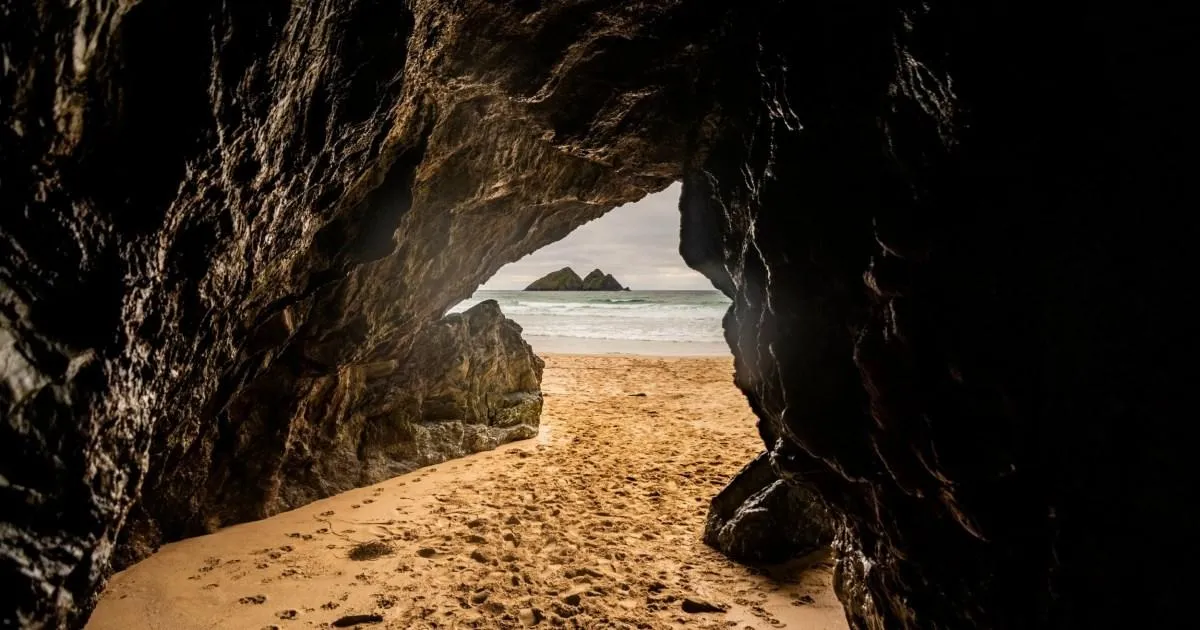
There is something profoundly unsettling about returning to a beloved place and finding it gone, not gradually eroded by the patient hands of time, but suddenly, violently, overnight. That is exactly what happened at Holywell Bay in Cornwall, where a rainbow-coloured sea cave, one of Britain’s most mysterious and historically treasured natural wonders, has collapsed. A substantial rockfall sealed the entrance to the cave during the darkness, unnoticed until local people came out in the morning to see the changed shoreline. Kev Richens, who discovered the landslide, shared his shock on Facebook with a poignant and final message: “Holywell cave is no more! Cliff collapse has sealed it forever.” The words echoed far beyond Cornwall, touching the hearts of historians, Poldark fans, locals, and countless visitors who had once stumbled upon this hidden marvel. The cave, also known as St Cuthbert’s Cave, sat in the south-west corner of Kelsey Head, at the northern end of Holywell Bay between Newquay and Perranporth. It was only accessible at low tide, which made each visit feel like a secret privilege, a moment of stepping into another world. Over the centuries, the site had drawn pilgrims and the sick, then later photographers and dreamers. Now, it lies sealed beneath tonnes of rock, swallowed by the very cliffs that had sheltered it for so long. There is a strange mercy in the timing: the fall happened at night, and no one was inside. As one mourner observed, “It’s a blessing it went at night and not during the day when people would have been inside. Goodnight Holywell.” That simple farewell captures the mix of relief and grief felt by many, a recognition that while human lives were spared, something irreplaceable from the natural and cultural landscape is now lost forever.
Paragraph 2
To understand the depth of this loss, one must travel back centuries, when Holywell Cave was not just a curious attraction but a sacred destination. During the 17th and 18th centuries, the grotto was celebrated across Britain as a place of healing, one of the most mysterious and revered sites in the country. Pilgrims from far and wide — including cripples, invalids, and those desperate for a cure — would make the arduous journey to the cave, braving rough paths and the dangerous tides, in order to drink from the holy well that gave the area its name. The water was not ordinary. Rising from a spring above the cave, it trickled down through the rock and formed a series of natural terraced pools, basins carved over millennia by the constant flow. What made these waters so special, according to legend, was a remarkable event said to have occurred in the year 995 AD. It was then that the body of St Cuthbert, the beloved bishop of Lindisfarne, was brought to the cave. As the story goes, when his bones touched the freshwater spring, the water became blessed, endowed with extraordinary healing powers. From that moment onward, the site became known as a holy well, and the cave itself took on the saint’s name. The faithful believed that drinking from those mineral-rich waters could ease their suffering or perhaps even cure them entirely. For centuries, the pool became a place of quiet hope and desperate prayer, where the sick lowered themselves into the cold, clear water and the trembling hands of pilgrims lifted cups to their lips. The cave was more than a geological curiosity; it was a living shrine, steeped in pagan and Christian history alike. The very word “Holywell” carries with it the memory of all those who came seeking restoration, and the cave was a physical link to an age of faith, folklore, and human vulnerability.
Paragraph 3
Beyond its spiritual significance, Holywell Cave was a masterpiece of natural artistry, and its most striking feature was the incredible rainbow of colours that danced across its walls. The grotto was often described as multicoloured, almost otherworldly, and it is easy to imagine the awe of visitors who first stepped inside the dim, watery chamber. The vivid swirls of colour — deep reds, amber yellows, soft greens, milky whites, and everything in between — were created by layers of calcium carbonate, iron deposits, and traces of other minerals left behind by the constantly flowing freshwater. Over centuries, these mineral-rich waters painted the rock face in an ever-changing tapestry, forming basins and terraces that looked as though they had been designed by a cosmic artist. The effect was breathtaking, and the cave became known as one of the most visually extraordinary sites in all of Britain. It earned its nickname as a rainbow-coloured sea cave because, depending on the light, the walls shimmered with a range of tones that seemed to glow from within. The spring water itself had a curious quality; those who dared to taste it described it as similar to “cereal milk,” a strange but somehow comforting description that added to its mystical reputation. The water formed shallow pools within the basins before trickling out of the cave and across the open beach. What made the site even more unique was the fact that, unlike many holy wells across the United Kingdom, this spring was completely washed out twice each day. When the tide rose, the sea flooded the cavern, inundating the sacred pools, and then withdrew, leaving the freshwater spring to once again slowly refill the basins. This rhythm of salt and fresh water, of tidal memory and mineral wonder, created a dynamic and fragile environment, one that was perpetually being reshaped by natural forces.
Paragraph 4
In more recent decades, Holywell Cave took on a different kind of fame. It appeared in the popular television adaptation of Winston Graham’s Poldark, particularly in series four and five. For devoted fans of the show, the cave became instantly recognisable, a dramatic and atmospheric backdrop for some of the series’ most emotional moments. It was here that Drake Carne secretly met Morwenna, their hidden encounters framed by the shimmering colours of the grotto and the sound of dripping water. The cave also featured in dramatic scenes involving Ross Poldark, adding to its aura of romance and intensity. Yet, despite this television exposure, the cave remained largely unknown to the thousands of tourists who flocked to Holywell Bay every summer. Most visitors walking along the golden sands had no idea that just around the corner, tucked into the cliffs and only reachable at low tide, lay a natural wonder of such beauty and legend. Perhaps that secrecy was part of its charm. It was a hidden gem, not advertised loudly, waiting for the curious, the observant, and the lucky few who happened to notice the dark opening in the rocks. This seclusion made the cave feel intimate and special. For those who did discover it, the memory was often unforgettable: the moment of stepping through the entrance into a cool, echoing chamber filled with reflected light and impossible colours. Poldark may have brought the cave to the attention of millions of viewers, but it never let go of its quiet, hidden heart. And now, in the wake of the collapse, that hidden heart has been buried. The entrance is blocked, the interior sealed off, and what was once a place of discovery and adventure has become a memorial, visible only in photographs and memory.
Paragraph 5
News of the collapse spread quickly, and the reaction was immediate and emotional. On social media, people expressed their sadness in heartfelt tributes. One person described the event as “a tragic loss to Cornwall heritage and its magical pagan history.” Another wrote, “This is so sad, an important part of Cornish history wiped out.” There was grief in these words, but also gratitude that no one had been inside at the moment of collapse. The timing of the rockfall was tragic, yet merciful. Many commentators pointed to the likely cause: the recent hot, dry weather followed by heavy rains. Such conditions are known to destabilise cliffs, as the sudden shift from parched to saturated ground can trigger falls and landslides. Newquay Coastguard quickly issued a warning to the public, urging them to stay away from the area. In a statement, they said: “Sadly, overnight a substantial rock fall has sealed off the cave to Holy Well on Holywell Beach. This area is still unstable, and we advise that you to stay clear of this rockfall. Heavy rain after a prolonged dry spell may lead to further incidents along the coast path.” They also reminded walkers to keep clear of cliff edges and to stay away from the base of cliffs. The warning was not a mere formality; with the cliff face still unstable, further falls could happen at any moment. It was a stark reminder of the raw power of the natural world, a force that gives life and wonder but also takes them away without warning. The cave, which had survived centuries of storms, tides, and pilgrimages, was ultimately undone by a single night of geological change. And yet, even in its destruction, there is a lesson about humility, impermanence, and the need to respect the wild landscape around us.
Paragraph 6
As the days pass and the shock begins to fade, the question remains: what is lost when a place like Holywell Cave disappears? On one level, it is a geological formation, a collection of minerals and rocks. But on another level, it is a repository of human memory and meaning. It was a place where generations of people came to seek healing, to feel closer to the divine, to escape the modern world, or to simply marvel at nature’s ability to create beauty. The cave featured in Poldark may be gone from the physical world, but it will remain in the stories we tell, in the photographs and television scenes, and in the hearts of everyone who ever stood inside its colourful glow. The spring still flows behind the fallen rocks, likely forming new basins in the darkness, unseen and untouched, waiting for a future that may never come. For now, the public is advised to stay away, and the site remains a quiet grave of a natural treasure. But perhaps “goodnight” is not truly the final word. Holywell Cave may be sealed, but its spirit lives on in the stirring of the tides and the whispers of history. It will be remembered not just as a casualty of erosion, but as a beloved character in the ongoing story of Cornwall, a place of magic, mystery, and healing that will not be forgotten. As one tribute so beautifully put it: “It’s a blessing it went at night and not during the day when people would have been inside. Goodnight Holywell.” Goodnight indeed, old cave. Sleep well beneath the broken stone, and know that those who loved you will keep your memory alive for as long as the sea keeps its watch over the land.