
A Quiet Night Shattered in Enfield
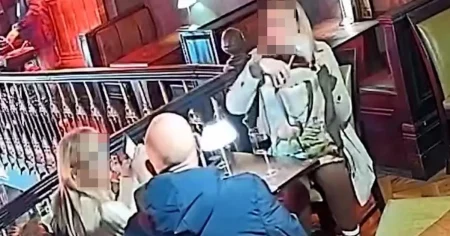
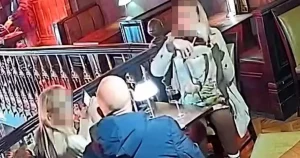
It was meant to be an ordinary evening at the Sun and Woolpack, a familiar brick-and-mortar pub on Hertford Road in Enfield, north London. The kind of place where locals knew each other by name, where the bar staff remembered your usual order, and where the hum of conversation and the clink of glasses provided the comforting soundtrack to everyday life. But on that fateful night, the peace was violently torn apart. The air, thick with chatter and the warmth of a crowded room, was suddenly split by three deafening cracks. For a split second, there was stillness, the kind of disbelieving silence that follows a thunderclap, before the instinct of survival kicked in. Regulars dived under tables, shielding their heads, their hearts pounding in their chests as the realisation of what was happening hit them. A witness, still shaken, recalled the terrifying chaos: “There were three shots, then everyone dived for cover. It was clear one man had been hit. There was no lead-up to the incident; it looked targeted to me. It was terrifying; everyone was in total shock.” When the scrambling and screaming subsided, it became devastatingly clear that a life was hanging in the balance. Emergency services rushed to the scene, desperately working on a man who had been struck by gunfire, but despite their best efforts, Erdem Mustafa, aged just 35, was pronounced dead at the scene. He had gone to the pub expecting a normal night, only to become the victim of what detectives now believe was a premeditated, targeted attack that left a north London street strewn with the debris of a tragedy. In the tense aftermath, the police tape went up, the forensic teams arrived, and the quiet suburb was left to grapple with a reality that seemed utterly alien. The pub doors, once open and inviting, now stood as a somber memorial to a life that ended far too soon, as investigators began the slow, meticulous hunt for the person responsible.
Remembering Erdem: A Decent Man, A Devastated Family
In the wake of the tragedy, the character of the man who lost his life began to emerge through the grief-stricken words of those who knew him. Erdem Mustafa was not just another statistic in a growing crime report; he was a beloved fixture of the community, a man who lived nearby and was a familiar, friendly face at the Sun and Woolpack. Staff remembered him fondly, describing him simply as a “nice guy,” a regular whose presence was part of the pub’s charm. Another patron, his voice heavy with sorrow, painted a picture of a decent individual, a man whose only crime was being in the wrong place at the wrong time. “He was a well-known face and lived nearby. We are very shocked by this. As far as I’m concerned, he was a decent bloke,” he told reporters. The words were simple, but the sentiment was profound; Erdem was someone who belonged, someone woven into the fabric of the local neighbourhood. But the most heartbreaking image was that of his mother. A community member who knew the family expressed the unbearable weight of the loss: “I know the family of the victim. A mother has lost a son and it’s heartbreaking. I heard the shots and originally did not know who had been hit. When I found out, I was upset. I was shaken; I have not been able to sleep.” Flowers began to appear at the door of the pub, a silent, colourful testament to a man whose life had been violently cut short. Behind those closed doors, specialist officers were tasked with the grim duty of supporting Erdem’s next-of-kin, trying to break through the unfathomable pain of losing a child to senseless violence. The tragedy was no longer just a matter of police procedure; it had become a human story of grief, of a mother facing the trauma of burying her son, and of a community mourning a man they held dear. He was, by all accounts, just a regular bloke who enjoyed his local pub, living a modest life that would ordinarily go unnoticed by the wider world. But his death had thrust him into the spotlight, not as a headline, but as a heartbreaking reminder of the fragility of life and the far-reaching consequences of a single act of violence.
The Hunt for the Disguised Suspect
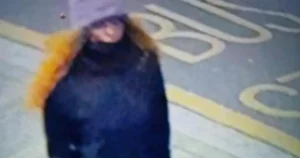
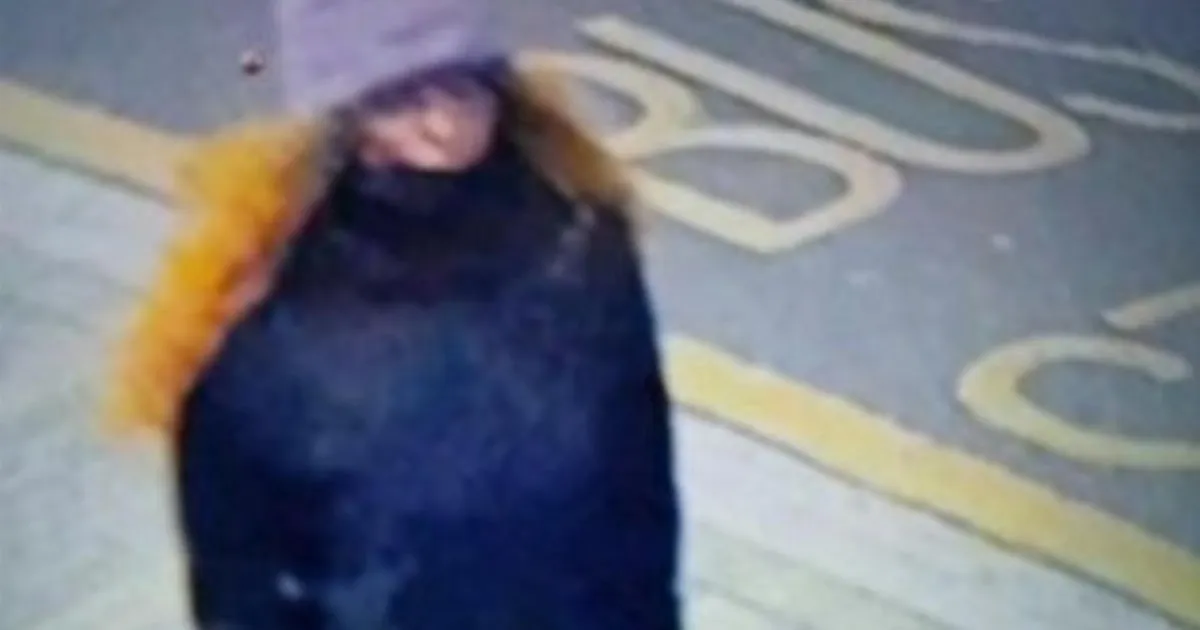
As the investigation intensified, a breakthrough came in the form of a chilling CCTV image. The footage captured a figure leaving the scene of the shooting, but this was no ordinary suspect. The individual in the frame had taken extraordinary measures to conceal his identity, donning a large, frizzy wig that drastically altered his silhouette and obscured his features. This was a conscious act of evasion, a calculated effort to blend in or disguise his appearance to escape detection. Met detectives, working tirelessly to piece together the events leading up to the murder, identified this individual as Abreham Woldegiworgis, a 35-year-old Ethiopian national with known links to the Enfield, Haringey, and Brixton areas of London. The name was released to the public with a stark warning: do not approach him. Police believed that Woldegiworgis was the man in the disguise, but they also feared that he had since significantly altered his appearance, making him even harder to trace. The decision to release his name and image was a calculated move, driven by the urgency of the situation and the belief that the public could play a crucial role in bringing him to justice. The release of such information is never taken lightly by law enforcement; it is a measure reserved for the most serious of cases. The fact that detectives felt the need to publicly name him underscored the gravity of the offence and their determination to apprehend him before he could slip away entirely. For the community, seeing the image was sobering. It was a reminder that the person responsible for the terror on Hertford Road was not a faceless phantom but a real individual, one who had meticulously planned his escape, leaving behind only a grainy image of a man in a ridiculous wig—a mask for a crime that was anything but a joke. The police’s appeal to the public was clear: anyone who spotted him, or knew of his whereabouts, was urged to contact them immediately, as the search for Erdem’s alleged killer entered a critical phase.
A Breakthrough and a Continued Pursuit of Justice
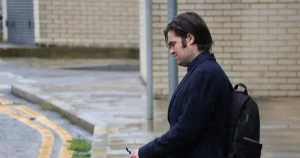
While the hunt for Woldegiworgis continued, the Metropolitan Police recorded a significant development in the case. On Monday, 26 October, a 23-year-old man was arrested on suspicion of conspiracy to commit murder in connection with the fatal shooting. He was taken into police custody, where he remained for questioning, as detectives worked to untangle the web of co-conspiracy that they believed surrounded Erdem’s death. The arrest was a positive step, a tangible sign that the investigation was gaining momentum, but it was far from a conclusion. Chief Inspector Allam Bhangoo, who was leading the murder investigation, spoke with a tone of grim determination, balancing the progress made with the distance still to travel. “We remain committed to securing justice for Erdem as our thoughts remain with his loved ones at this unimaginably hard time,” he stated. “While I am pleased my team have made an arrest, our work continues at pace to investigate the full circumstances around Erdem’s murder. We are now releasing the details and images of a man we urgently need to speak to in connection with the incident.” His words were a dual message: one of empathy for the grieving family, and one of relentless resolve to find every person responsible for the crime. The arrest signaled that this was not a lone wolf attack but a coordinated effort that required the participation of multiple individuals, each playing a part in the planning and execution of the murder. Detectives were painstakingly examining phone records, financial transactions, and digital footprints, following every lead to uncover the full network of those involved. The £20,000 reward for information was a further incentive, a practical measure to encourage anyone with even the slightest shard of knowledge to come forward. The focus, however, remained unwavering: to find Woldegiworgis, who remained the central figure in the manhunt. The appeal was simple but desperate; the police not only needed the public’s eyes and ears but their conscience and civic duty. They were asking ordinary people to look at the faces around them, to question anomalies, and to share any information, however trivial it might seem, that could help them close the net on a fugitive.
A Community Grappling with Fear and Sorrow
In the days that followed the shooting, the shock waves rippled far beyond the immediate crime scene, settling into the bones of the community. The image of flowers laid against the pub’s doorstep was a poignant symbol of grief, but it was also a marker of a loss of innocence. The Sun and Woolpack, a place that had always been a sanctuary for socialising and relaxation, had been sullied by violence. Residents who had lived there for years expressed a deep, unsettling unease, a feeling that their safe haven had been violated in the most brutal way possible. The witnesses, whose accounts were crucial to the investigation, spoke of their own lingering trauma. “I have not been able to sleep,” one admitted, the memory of the gunshots replaying in their mind like a broken record. The psychological impact of witnessing a targeted killing is immense; it shatters the fundamental assumption that one is safe in one’s own community. Mothers worried about letting their children out, pub-goers wondered if they would ever feel comfortable sitting with a pint by the window again. The fact that the attack was believed to be targeted offered a sliver of cold comfort to some—it was not a random act of terror, but a specific settling of accounts—but it did little to quell the generalised anxiety that hung in the air. Every nudge of a shadow, every unfamiliar face, now carried a hint of suspicion. The community’s reaction was a blend of vulnerability and resilience. They mourned Erdem not just as a victim, but as a neighbour, and they rallied around his family, offering their silent support amidst the media frenzy. The shooting had forced them to confront a dark reality: that the tentacles of serious crime and violence could reach into even the most unassuming of local pubs. As the police continued to patrol the streets with a heightened presence, the residents began the slow, difficult process of healing, trying to reclaim the sense of normality that had been so violently stolen from them, even as they knew a murderer was still on the loose.
The Call for Help and the Hope for Healing
With the manhunt for Abreham Woldegiworgis at a critical juncture, the police issued a final, impassioned plea to the public. Chief Inspector Bhangoo widened the net, asking not only for sightings of the suspect but for any residual evidence that might have gone unnoticed. “We are still appealing for anyone with wider information about the shooting, including any CCTV, doorbell, dashcam or mobile phone footage, to also contact us,” he urged. In the age of ubiquitous surveillance, they knew that someone, somewhere, had captured a vital piece of the puzzle—a car speeding away, a face emerging from a shadow, a phone recording the moments before the shots rang out. Every shred of digital breadcrumb could be the key to unlocking the case and securing justice for Erdem. The appeal was broadcast across news channels and social media, underscoring the collaborative nature of modern policing, which relies as much on public cooperation as on forensic science. Anyone with information was directed to contact police on 101 or, for those with a greater need for anonymity, to reach out to independent crime-fighting organisations. The momentum of the investigation now rested on the collective memory of the public. Would someone recognise the man in the frizzy wig? Would a jealous neighbour hide a secret? The question hung in the air, a test of civic duty. Beyond the manhunt, there was a deeper longing for closure. For Erdem’s family, the arrest and conviction of his killers would not bring him back, but it would offer a measure of justice, a validation of their loss, and a chance to move forward from the shadow of his murder. For the community of Enfield, it was a chance to reclaim their street, to step out of the gloom of fear and back into the light of normal life. The story of Erdem Mustafa is a tragic incisive reminder of the fragility of life, but it is also a story of a community refusing to be cowed by violence. In the silence after the storm, they wait—for the phone to ring, for a suspect to be caught, and for the long, painful journey of healing to truly begin.