


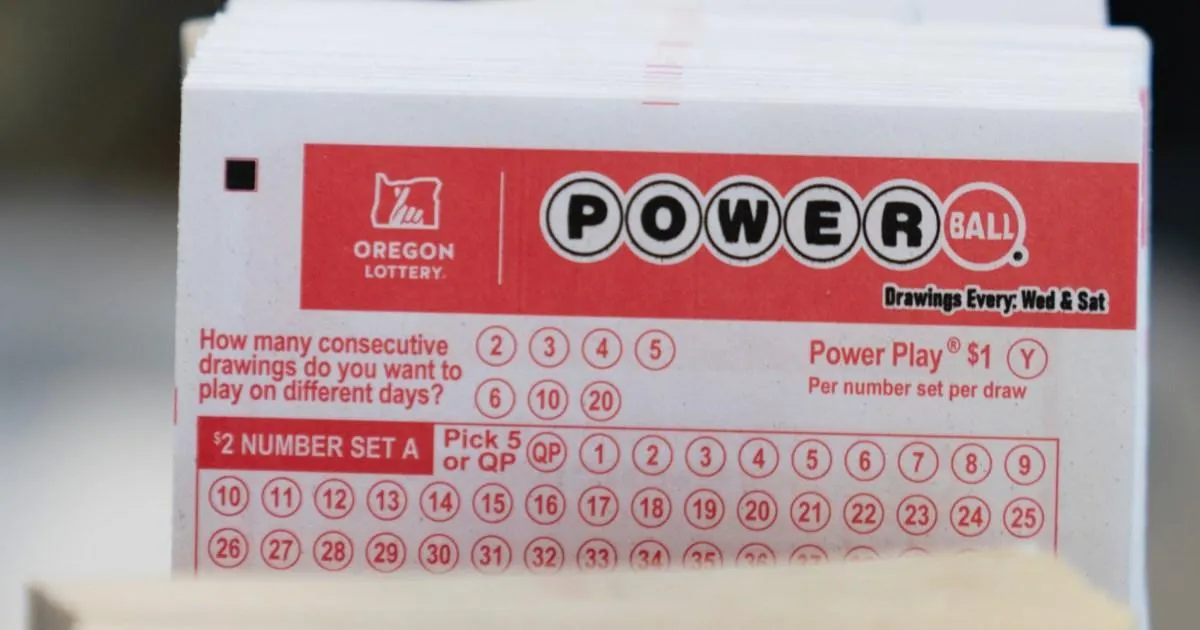
The dream of unimaginable wealth has taken hold of the UK as the American Powerball jackpot climbs to a staggering £411 million. This colossal prize comes following 40 consecutive draws without a winner, marking one of the longest rollover streaks in the game’s storied history. The atmosphere is electric; while the lottery has been a staple of American life for decades, its recent introduction to British soil has invited a new wave of players to participate in what is arguably the world’s most famous game of chance. As Thursday morning’s draw approaches, the sheer scale of the potential payout has captured the national imagination, turning casual lottery fans into hopeful dreamers.
To put this astronomical figure into perspective, a win of this magnitude would shatter every record currently held by the UK National Lottery. For context, the previous high-water mark for a British winner was set in 2022 when an anonymous EuroMillions player scooped £195 million. The Powerball jackpot, at more than double that amount, represents a level of prosperity that is almost impossible to comprehend. While the record for consecutive rollovers still stands at 47—a run that famously ended with a $1.817 billion Christmas Eve payout last year—the current momentum is building toward a moment that could permanently alter the life of a single, lucky British ticket holder.
Despite the fact that the grand prize has remained elusive for seven months, the Powerball ecosystem is far from dormant. The lottery has been incredibly generous in other ways, consistently minting millionaires across the United States. In 2026 alone, five separate jackpots have already been claimed, with winners walking away with prizes ranging from a modest $20 million to a massive $250.8 million. This serves as a vital reminder that while the headline-grabbing jackpot gets all the attention, the mechanics of the game are designed to redistribute life-changing wealth across the board, regardless of whether the top prize is triggered.
Andy Carter, the senior winners’ adviser at Allwyn—the operator of the UK National Lottery—has been vocal about what a win of this scale would mean for a player. He emphasizes that this is not merely a “life-changing” event; it is “generation-changing.” According to Carter, such a windfall provides the rare freedom to support family for decades, pursue lifelong personal ambitions, and invest in philanthropic causes that matter most to the winner. It is the kind of wealth that doesn’t just buy comfort, but provides the resources to build a lasting legacy that could benefit a community for years to come.
Since the official launch of Powerball in the UK on July 23, the response from the British public has been swift and enthusiastic. Allwyn reports that nearly half a million prizes have already been distributed to UK players. With 491,662 winning tickets having already paid out sums ranging from £8 to over £70,000, it is clear that the game is finding its rhythm in the UK market. The accessibility of the game—costing £4 per line and requiring players to select five numbers plus one Powerball—has made it a simple addition to the weekly routine for thousands, even if the primary goal for most remains the elusive, record-breaking jackpot.
For those eager to participate, it is worth noting the unique structure of the prize payout. Unlike some domestic lotteries where the full amount might be claimed as an immediate lump sum, the Powerball jackpot is distributed to UK winners over the course of 30 years. This structure is intended to provide long-term security rather than a single, overwhelming windfall. As the world turns its eyes to Florida for the next draw, millions are holding their breath, wondering if this week will finally be the one where a British ticket holder defies the odds and claims a prize that would fundamentally redefine their place in the world.