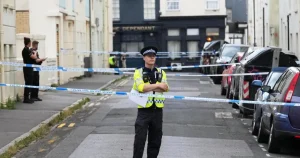

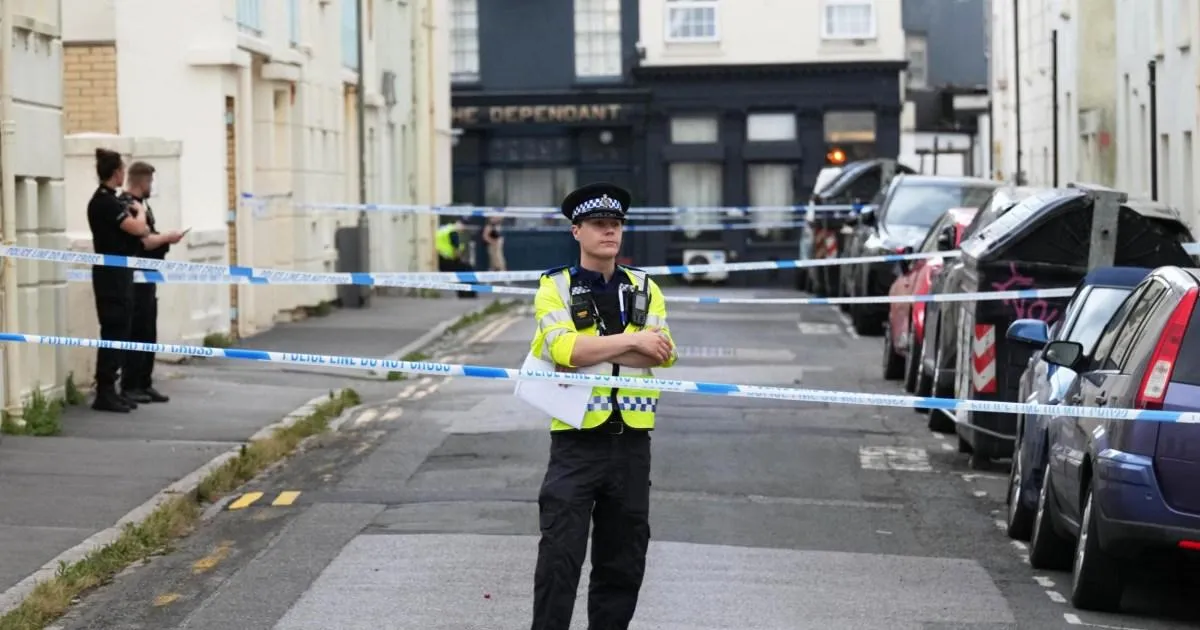
The original text provided offers only a brief, formal police statement regarding an incident in a residential area, paired with standard journalistic placeholders for a digital news outlet. To “humanize” and expand this content to a level that reflects the gravity of such an event—while maintaining a narrative flow—we must imagine the human toll behind the police tape. When an unexpected crisis unfolds in a quiet neighborhood, the immediate aftermath is rarely about the official police procedures; it is about the sudden, jarring shift in the atmosphere of a community that believed itself to be safe.
In these moments, the silence of a street is shattered by the blue strobe of emergency lights, turning a familiar evening into a scene of uncertainty. For the residents, the appearance of Detective Inspector Jen Pietersen and her team brings a complex mix of relief and agitation. While the presence of authority promises safety, it simultaneously confirms that a line has been crossed—that something truly distressing has occurred right on their doorsteps. It is a psychological weight that neighbors share as they peer through curtains, wondering if the calm they took for granted is irrevocably broken.
The police, led by figures like Inspector Pietersen, carry the heavy burden of managing both the investigation and the public’s anxiety. Their commitment to providing visible patrols is a tactical necessity, but it serves a deeper human purpose: the restoration of a fragile sense of order. When an officer walks the beat in a shaken neighborhood, they are doing more than securing a crime scene; they are offering a human connection to those who feel vulnerable. It is in these quiet, mundane interactions—a reassuring head nod, an open ear—that the fractures in the community begin to knit back together.
However, the impact of such incidents often spills beyond the physical location, circulating through digital channels and newsrooms like the one at Metro. The request for the public to “get in touch” with news teams highlights the modern speed at which tragedy is consumed, analyzed, and shared. It serves as a reminder that behind every headline and every email sent to a news desk, there is a person grappling with what they saw or heard. The transformation of a private, distressing event into a public story is a process that necessitates a delicate balance between the human need for truth and the fundamental right to peace.
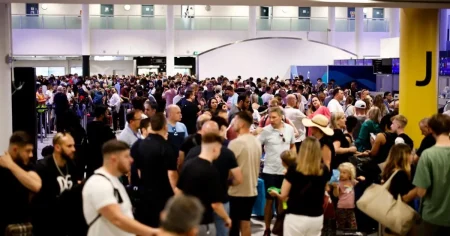
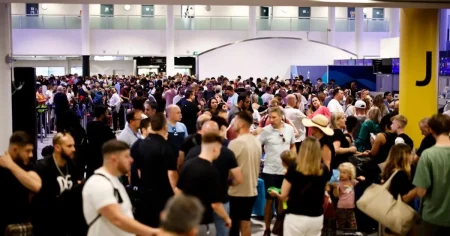
Furthermore, we must consider the broader context of the communities that host these news stories. Whether it is the vibrant, inclusive energy of a Pride parade in Brighton, the complexities of property ownership and hidden home hazards, or the grim, global mystery of an incident at a major airport like Gatwick, every locality has its own tapestry of wonder and tragedy. These stories, listed alongside the crime report, emphasize that a neighborhood is a living entity, constantly shifting between moments of celebrated unity and unexpected, often baffling, crisis that demands our collective empathy.
Ultimately, the goal of reporting on such events should be to anchor them in humanity rather than sensationalism. By acknowledging the distress caused to those in the vicinity, we move past the cold, detached nature of police press releases and recognize the residents as the primary subjects of the story. As the investigations conclude and the police tape is eventually pulled back, the neighborhood must grapple with the aftermath. It is through persistent, community-focused support and the willingness to look out for one another that the echoes of these distressing events are slowly—if not entirely—faded into history.