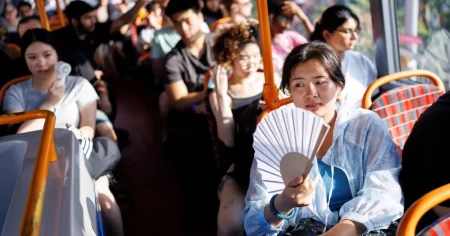


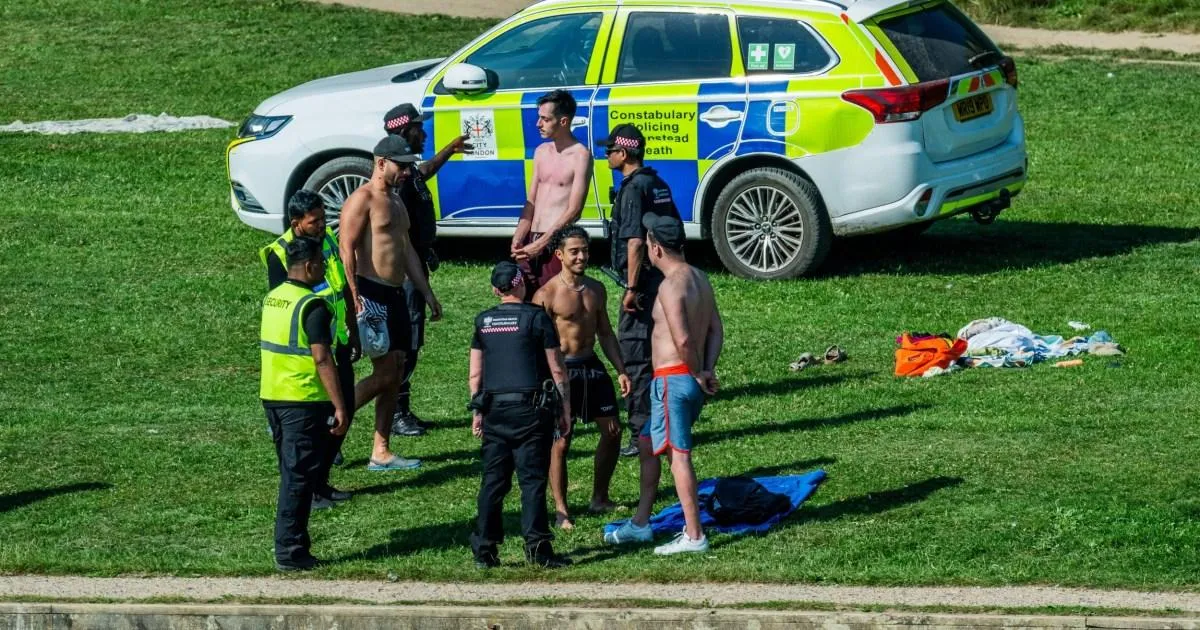
As the sweltering heatwave settles over London, a tense standoff has emerged at Hampstead Heath, where desperate swimmers have been caught clambering into nature ponds despite clear signage and defensive barbed wire. With temperatures soaring, locals are finding themselves at odds with the Hampstead Heath Constabulary and the City of London Corporation. Recent reports show over a dozen individuals braving prohibited waters, disregarding warnings to share space with local wildlife—specifically the resident swans. For many, these ponds represent one of the few remaining refuges from the stifling urban heat, yet their efforts to find relief are increasingly framed as a public order issue rather than a symptom of a much deeper urban planning shortfall.
This rise in rule-breaking highlights the shrinking availability of free “blue spaces” across the capital. In the pre-pandemic era, these ponds were open, accessible, and free, requiring no prior booking. Today, the reality is starkly different: lidos are consistently oversubscribed, and access to cooling bodies of water has become a luxury. This scarcity, however, isn’t felt equally across the city. Those living in less affluent areas are hit the hardest during heatwaves, as their neighborhoods often lack the green and blue infrastructure necessary to regulate temperatures. Residents in places like Sutton have described their living conditions as “cooking,” with early morning temperatures hitting a staggering 30C, leaving them to suffer from heat exhaustion within their own homes.
The human cost of this crisis is undeniable and has prompted a shift in the local political conversation. Mayor Sadiq Khan has begun to address the issue through his “Heat Ready London” initiative, framing the lack of access to nature not just as an environmental concern, but as a matter of fundamental social justice. The statistics surrounding recent heatwaves are sobering: hundreds of premature deaths, thousands of emergency room visits, and immense strain on the fire service and public transport. By acknowledging these dangers, the Mayor suggests that the fight for public space is now inextricably linked to the survival and well-being of London’s most vulnerable populations, who have the least protection against the escalating climate crisis.
Beyond the immediate peril of the heat, there is a mounting sentiment among Londoners that the city’s public life is being slowly enclosed and commercialized. The restriction of the Hampstead Heath ponds feels, to many, like part of a larger trend of “gated” public enjoyment. Twelve years ago, the city’s iconic New Year’s Eve fireworks display was free and open to all; today, it is a ticketed, tightly controlled event. Popular viewing spots, from Primrose Hill and Parliament Hill to the bridges and parks that offer a glimpse of the city’s heart, are now routinely closed off to the public long before the celebrations begin. This gradual loss of free, accessible space creates a sense of exclusion that is particularly biting during times of crisis.
In response to the tension at the Heath, the City of London Corporation has doubled down on its enforcement measures, deploying extra security and patrols to prevent further unauthorized swimming. Their stance is one of caution and protection, emphasizing that these off-limit bodies of water pose real risks to both human safety and the delicate ecosystem of the park. While local officials urge visitors to act responsibly and respect the land, they are met with a population that is increasingly frustrated by the lack of viable alternatives. The rhetoric of the authorities stands in direct contrast to the lived experience of citizens who feel they have nowhere left to go as their city reaches boiling point.
Ultimately, the clash at Hampstead Heath serves as a microcosm of the modern urban experience in a changing climate. It pits the necessary management of public safety against the basic human need for comfort and reprieve. As London continues to grow and temperatures potentially reach new, uncomfortable heights, the city faces a crossroads. Will it continue down a path of increasing restriction and commercialization of its public resources, or will it find a way to honor its commitment to being a city that is truly accessible to everyone? Until a balance is struck, the friction between those sworn to protect the parks and those simply trying to survive the heat is likely to continue, leaving Londoners to seek cooling relief in an increasingly restricted landscape.