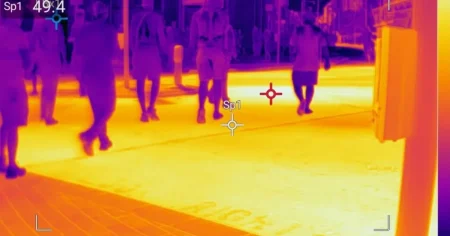



The UK is currently enduring an intense, record-breaking heatwave that has left citizens weary and desperate for relief. After a week of sweltering conditions, the country’s infrastructure is struggling to cope, with pavements in London reaching a searing 60°C and temperatures as high as 37.1°C recorded in Suffolk. This relentless heat, compounded by oppressive humidity, has strained transit networks, led to school closures, and prompted local authorities to enact wide-reaching measures, including hosepipe bans in Kent to manage dwindling water supplies.
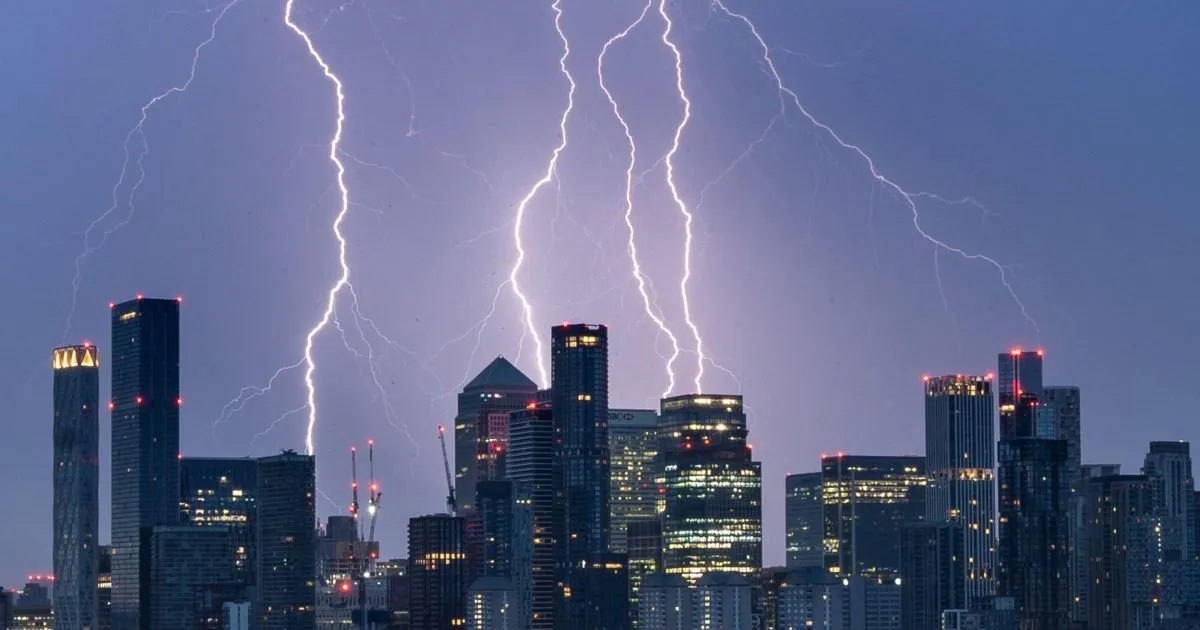
The situation took a dramatic and frightening turn overnight as severe thunderstorms swept across Southern England. Residents reported being jolted awake by thunder and vivid, strobe-like lightning strikes that created an eerie, apocalyptic atmosphere. In Streatham, south London, a bolt of lightning is believed to have struck a building under construction, sparking a massive fire that required dozens of firefighters to extinguish. Fortunately, no injuries were reported, but the incident highlights the volatility of the current weather patterns that have made sleep near-impossible for most.
Beyond the UK, the heatwave has had more devastating consequences across Europe. France is grappling with its own internal crisis, where tragic incidents involving overheated vehicles have claimed the lives of several toddlers, and over 55 people have reportedly drowned while seeking relief in water. Meanwhile, Spain has recorded more than 300 heat-related deaths since the weekend began. These heart-wrenching stories serve as a somber reminder of the life-threatening risks associated with such extreme temperatures, prompting authorities abroad to restrict public gatherings and even ban alcohol sales to keep emergency services from being overwhelmed.
Domestically, the impact on public life has been widespread and disruptive. The UK’s rail network has been particularly hard hit, with heat-related signal failures and track issues causing significant delays, while some transport operators have issued “do not travel” warnings. Landmarks like Stonehenge have been forced to shut their gates early to protect visitors and staff, and the atmosphere on public transport has been described as a “furnace,” leading to tense evacuations at stations like Shepherd’s Bush. From everyday commuters to families trying to enjoy the summer, the heat has turned a usually pleasant time of year into a survival test.
A tragedy involving a schoolboy in Lancashire, whose body was recovered from a lake after he went missing, has cast a dark shadow over the heatwave, serving as a painful warning about the dangers of cooling off in open water. While the sight of crowded parks and lidos might look like a typical British summer, the reality behind the scenes is one of caution and grief. The combination of record temperatures and sudden, violent storms has made this current weather cycle a particularly unforgiving experience for everyone involved.
Thankfully, there is a light at the end of the tunnel. Meteorologists suggest that the extreme conditions will begin to subside, with temperatures expected to dip into the more manageable low-to-mid 20s as we head into next week. As the amber heat warnings expire and the humidity finally begins to lift, the country moves toward a period of relative recovery. While the UK has certainly seen its share of hot summers in the past, the intensity and instability of these recent days will be long remembered as a taxing chapter in the nation’s seasonal history.