


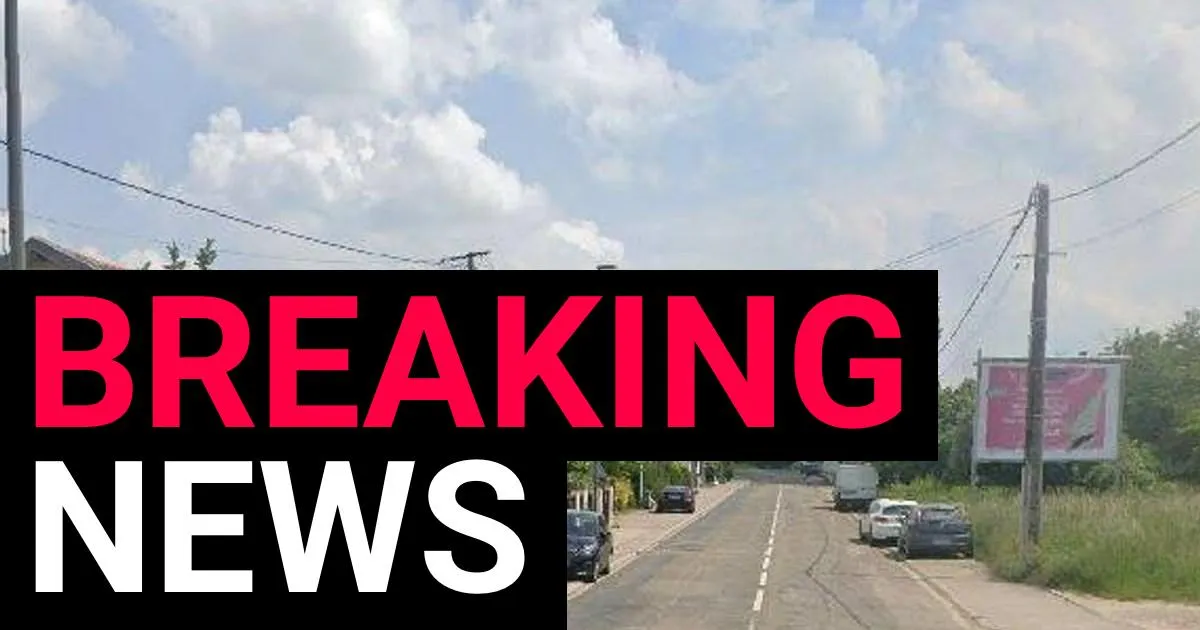
Tragedy struck the quiet town of Tomblaine, located in the Meurthe-et-Moselle region of northwest France, this past Sunday morning. Around 11:00 a.m., a light tourist aircraft, which had taken off from the nearby Nancy-Essey aerodrome, went down in a residential area on Rue Salvador Allende. The small plane, which was reportedly carrying a group of skydivers, did not reach its destination, leaving the local community and the nation in a state of shock as sirens echoed through the town and emergency crews scrambled toward the crash site.
Authorities were quick to respond to the scene, though they faced immediate challenges in securing the perimeter. The Meurthe-et-Moselle National Police took to social media platform X to issue an urgent plea to the public, stressing that residents must stay away from the Rue Salvador Allende area. Their priority was ensuring that firefighters, paramedics, and law enforcement had an unobstructed path to the wreckage to conduct search and rescue efforts, noting that the vicinity remained volatile and hazardous due to the potential risk of an explosion.
As the day progressed, the gravity of the situation became clear when local officials confirmed the heartbreaking loss of everyone on board. Mayor Yves Séguy addressed the incident, confirming that there were 11 fatalities resulting from the crash. To lose 11 lives in a single, sudden moment is a profound blow to any community, and the lack of specific details regarding the victims has only added to the somber atmosphere currently hanging over Tomblaine. For now, the identities of those who perished remain private as families are notified and authorities work to piece together the sequence of events.
The nature of the crash, involving a plane meant for recreational skydiving, has raised immediate questions about what might have gone wrong in the moments following takeoff. While investigations are in the early stages, the incident serves as a grim reminder of the inherent dangers involved in aviation, even for experienced pilots and hobbyists. As experts from accident investigation bureaus make their way to the aerodrome and the crash site, the focus remains on forensic analysis and witness accounts to determine whether the failure was mechanical, human-related, or the result of unforeseen environmental conditions.
Beyond the logistical challenges and the investigation, the human element of this disaster cannot be overlooked. The residents of Tomblaine, who often enjoy the sight of small aircraft overhead, witnessed an unthinkable disruption to their peaceful Sunday. The site, now cordoned off by police tape and guarded by emergency personnel, stands as a chilling visual of a life cut short. Local authorities continue to urge patience and restraint from the public, pleading with onlookers to stay away from the area not only out of respect for the deceased but to ensure the site remains undisturbed for the difficult recovery process ahead.
As the town begins to process this overwhelming tragedy, the news has ripple effects across France. While breaking news often focuses on the “what” and the “where,” the focus in the coming days will inevitably shift to the individuals whose lives were lost and the families who are now left to navigate inexplicable grief. The official channels will continue to provide updates as investigations unfold, but for the people of Tomblaine, the healing process will be a long one. As the community gathers its strength, they remain in the thoughts of the nation, waiting for answers that, while necessary, can never truly soften the weight of such a sudden and devastating loss.