



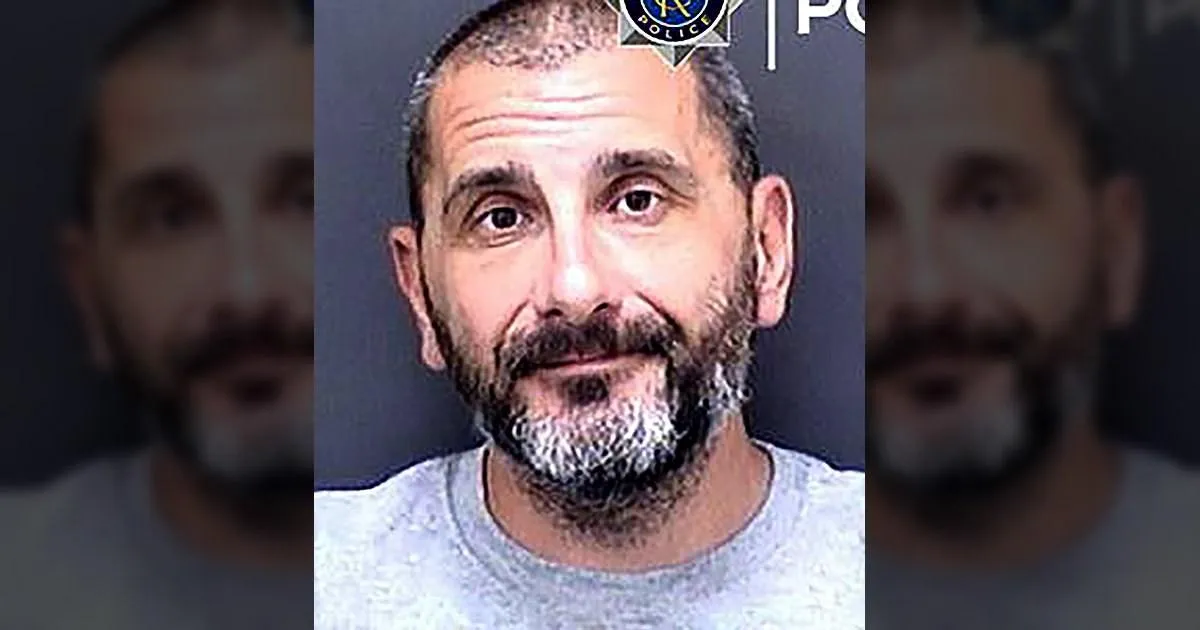
The tragic death of 36-year-old Colombian model Natalia Villalba Angarita has reached a significant turning point with the arrest of Matthew Foster-Smith in Ecuador. Natalia, a resident of Bogotá for 17 years, was discovered by cleaning staff in her seventh-floor apartment on June 22. The scene was harrowing; she was found inside a suitcase in her bathroom with the shower still running, having been killed days earlier. For her grieving mother, Claudia, the news has been devastating, as she had grown deeply concerned after her daughter, whom she spoke to daily, suddenly stopped answering her phone calls.
The suspect, a 46-year-old former British doctor from Poole, Dorset, had been the primary figure of interest for investigators from the outset. Foster-Smith’s history is already marred by serious criminal behavior; he was previously jailed in the UK for stalking episodes that left his victims living in constant fear. Despite his past, he managed to leave Colombia just a day before the horrific discovery of Natalia’s body. Even as he fled across the border, he maintained his innocence, bizarrely citing his attendance at a public screening of a World Cup match as a foolproof alibi, claiming he was simply watching football and eating ice cream while the crime took place.
Colombian prosecutors, however, quickly dismantled his deflection. By working alongside Interpol and international authorities, they secured an arrest warrant and issued a Red Notice, tracking the suspect through his digital presence as he attempted to secure passage back to Europe. When Ecuadorian police finally apprehended him at the Quito International Airport, he appeared a far cry from the man who had been confident enough to speak to the press just days earlier. The evidence gathered by the Technical Investigation Corps (CTI) paints a grim picture: authorities allege he entered the apartment, physically assaulted Natalia until she died, then meticulously worked to conceal his actions by staging the crime scene before attempting to escape.
The investigation into the final moments of Natalia’s life has been methodical. Security footage from the apartment block reportedly captured Foster-Smith moving bedsheets to a laundry room shortly before he exited the building for the final time. For Natalia’s family, who are still waiting for the release of her remains, the priority remains the pursuit of truth. They are searching for answers about her professional life in Bogotá, trying to piece together the context surrounding a woman whose life was stolen in a act of profound violence. The search for clarity is echoed by advocacy groups like “Justicia Para Todos,” which have publicly demanded that the investigation be handled with a diligent “gender perspective” to ensure justice is served.
Foster-Smith’s legal troubles in the UK provide a chilling backdrop to these events. Having been banned from practicing medicine, his recent record included a two-year prison sentence delivered in late 2024 for a relentless stalking campaign that a detective described as “destroying” the life of his victim. His ability to evade authorities in the past—including a month-long run from justice after skipping bail last year—made his capture in Ecuador a critical success for international cooperation. The collaborative effort involving the Colombian Attorney General’s Office and Ecuadorian authorities proved effective, ensuring he was caught before he could lose himself in the anonymity of another continent.
Now, the legal process enters its most difficult phase. If convicted, Foster-Smith faces the severe consequences of Colombia’s justice system, which views the charge of “aggravated femicide” with the gravity it deserves, carrying a potential sentence of up to 50 years. For the family of Natalia Villalba Angarita, these legal proceedings offer no undoing of their loss, but they represent the only path toward accountability. As the suspect awaits extradition to face these accusations, the focus shifts to ensuring that the tragedy of this stolen life results in a firm and final verdict, honoring the promise that those who commit such horrific crimes cannot escape the reach of international law.