
In the wake of the catastrophic twin earthquakes that recently devastated Venezuela, a landscape of profound sorrow has been punctuated by rare, breathtaking moments of human resilience. The disaster, which struck with seismic magnitudes of 7.2 and 7.5—the most powerful tremors to hit the region in over a century—has left a heartbreaking toll of at least 920 lives lost and thousands more injured. As rescue teams continue the grim, exhaustive task of clearing debris, the fear remains palpable, with over 50,000 individuals still unaccounted for. In such a dark chapter, the collective spirit of a nation is being tested, yet it is in these very shadows that the raw, indomitable will to survive is shining through.
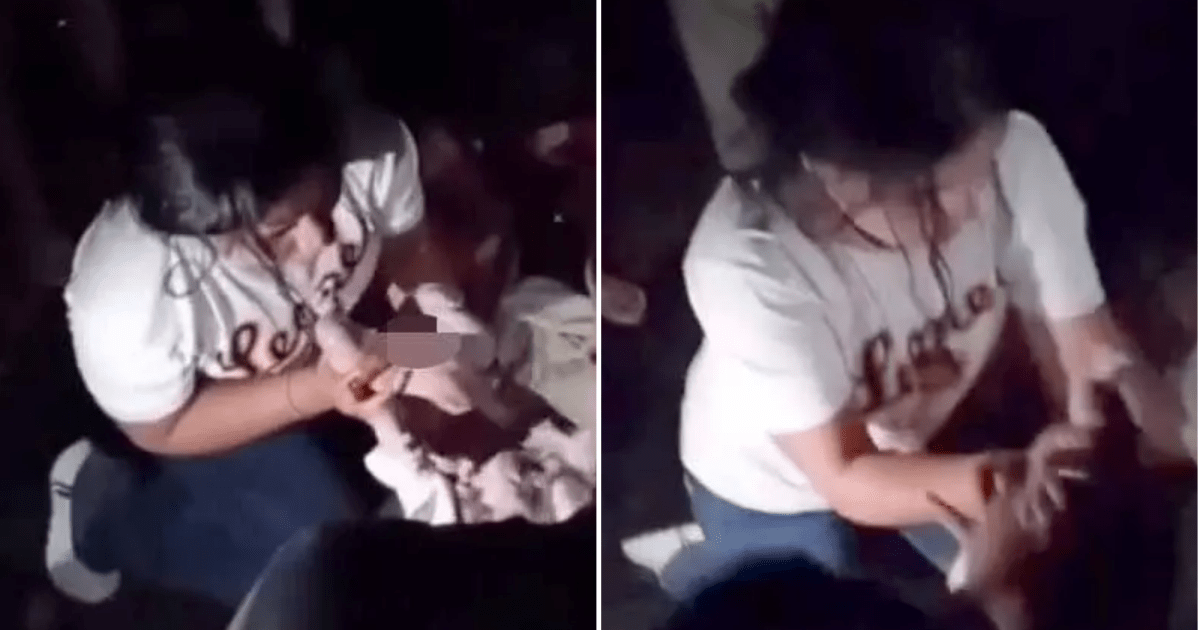
Amidst the chaos of the coastal city of La Guairá—the epicenter of the devastation—a story of unexpected life has captured the world’s attention. Dr. María Fernanda Terán, an individual whose courage defined the moment, found herself acting as an impromptu midwife on a shattered pavement. With the earth still settling, she knelt beside a mother who had just escaped the collapse of her home to deliver a healthy baby boy. The image of the doctor cradling the newborn, supported by surrounding strangers who provided what little clothing and warmth they had, serves as a searing reminder that even when the foundations of our world crumble, the cycle of life persists with stubborn beauty.
Dr. Terán later reflected on the experience via social media, describing it as the “greatest challenge of my life,” while social media users around the globe dubbed the child an “angel with a mission.” The viral footage of the birth has served as a beacon of hope for many, with comments pouring in from across the globe describing the event as a miracle in the midst of darkness. It is heartening to report that both the mother and the newborn are doing well, a testament to the fact that, even in the most hostile conditions, humanity often finds a way to nurture and sustain its most vulnerable members.
In another heart-wrenching yet triumphant scene of survival, rescue workers managed to pull an 18-day-old infant from the wreckage of a collapsed building. Cameras captured the agonizingly tense moments as the fragile baby, partially swaddled in what appeared to be a pillowcase, was carefully passed through the ruins into the trembling arms of her father. His tears of relief, met by the applause of onlookers and rescuers, provided a rare moment of catharsis for a nation in mourning. The baby’s mother was recovered just 90 minutes later, adding another layer of miraculous success to an otherwise overwhelming humanitarian crisis.
The international community has been quick to offer support, with King Charles and Queen Camilla leading the messages of solidarity. In a deeply personal statement, the King expressed his profound sadness, characterizing the tragedy as a time of immense suffering and loss while praising the “resilience and strength” of the Venezuelan people. The United Kingdom has since mobilized the International Search and Rescue (UKISAR) team, dispatching 68 specialists, including fire brigade experts and six highly trained search dogs, alongside a £2 million humanitarian aid package to assist in the recovery efforts currently underway.
Ultimately, these moments of survival—the birth on the pavement and the extraction of the infant—stand as powerful symbols of the human capacity to endure. While the statistics of the disaster are staggering and the path to recovery will be long and arduous, these acts of heroism provide a necessary flicker of light. They remind us that behind the staggering figures of the missing and the deceased are individuals with stories of love, bravery, and persistence. As Venezuela grapples with the aftermath, the bravery of people like Dr. Terán and the tireless dedication of international rescuers honor the lives lost by fighting tooth and nail to save the lives that remain.