

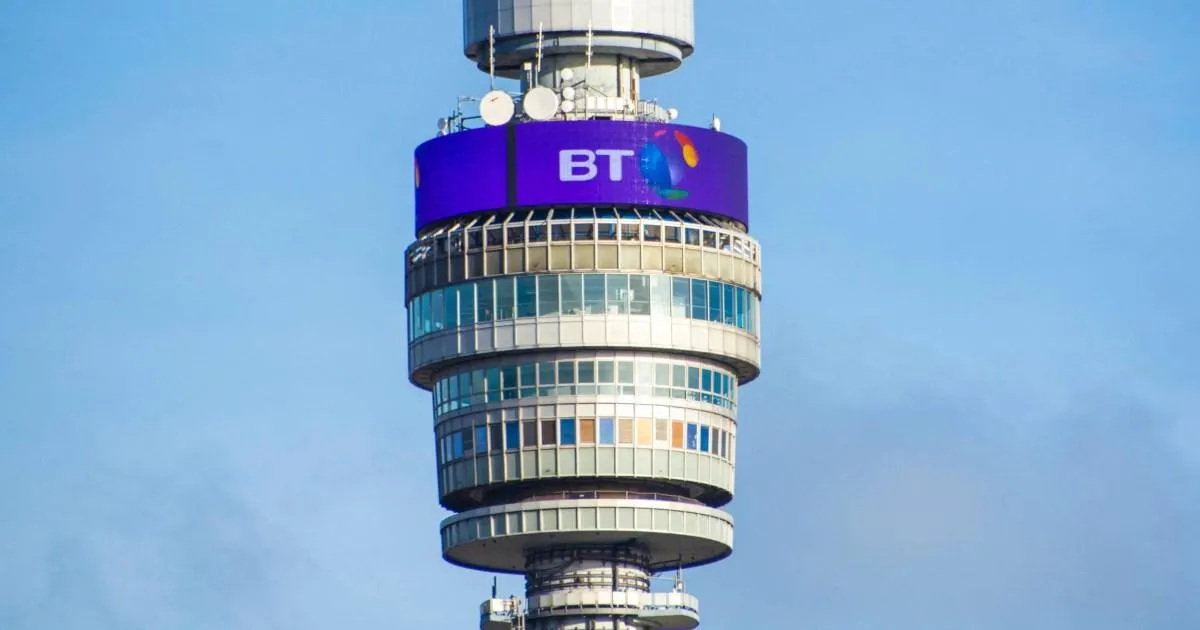
For decades, the BT Tower has stood as a silent, monolithic sentinel over the heart of London. Rising 620 feet above Fitzrovia, this mid-century marvel was once the tallest structure in the capital and a symbol of a modern, connected future. Yet, for the better part of 50 years, this iconic landmark has been largely veiled from public view, operating as a rigorous hub for telecommunications rather than a destination. Following a security-related closure in the 1980s that effectively shuttered its famous revolving restaurant, the tower became an atmospheric relic of a bygone era. Now, however, the structure is set to shed its industrial skin, transitioning from a private communications nerve center into a vibrant, accessible hub for hospitality and heritage.
The catalyst for this radical evolution arrived last year when MCR, one of the United States’ largest hotel operators, acquired the site for £275 million. This purchase marks a pivotal moment for a building that has been, until very recently, a closed-off fortress. The vision for the space is to preserve its architectural soul while breathing new life into the “Stick”—the tower’s central shaft—and the surrounding podium buildings. By integrating hotel rooms, retail spaces, and social areas, the developers hope to honor the tower’s legacy as a fixture of the city while finally allowing the public to reclaim its unparalleled vantage points.
Under the proposed plans, the transformation ventures into territory that was once strictly off-limits. Hotel guests will be able to stay in the upper levels of the shaft, while the summit of the tower is slated to house an observation deck that promises to weave the history of broadcasting with 360-degree views of London. Beyond the high-altitude experience, the ground-level redevelopment aims to transform the base into a welcoming urban square. By introducing new pedestrian walkways, cafes, and shops, the developers intend to mesh the site into the existing rhythm of Fitzrovia, turning what were once blank, imposing facades into a bustling neighborhood corner that invites locals and tourists alike to linger.
Perhaps the most enticing feature of the master plan is the promise of public connectivity. A new rooftop swimming pool and carefully designed public amenities serve as physical anchors for this goal, ensuring that the site doesn’t feel like an exclusive enclave, but a community asset. As architectural historians and stakeholders note, the building’s design—born of a need to transmit communication waves without obstruction—is what grants it such a unique aesthetic silhouette. By transitioning to a hotel and event space, the tower moves from being a protector of signals to a protector of stories, ensuring that its distinct mid-century identity survives the transition to modern luxury.
The logistical reality of such an ambitious project is a slow, methodical handover. BT is currently in the process of decommissioning the facility, carefully archiving the remnants of decades of telecommunications history—from aging switchboards to obsolete wiring—before handing the keys to MCR in 2029. Construction is expected to follow a rigorous timeline, with a sights-set completion date in 2033. This protracted schedule is a testament to the complexity of repurposing such a structurally unique building, but it also provides a window for the city to prepare for the return of a long-lost icon.
Ultimately, the renovation of the BT Tower represents more than just a real estate deal; it represents the closing of a long chapter in London’s history. As BT shifts its infrastructure to newer, more efficient delivery methods, the tower is no longer needed to “carry the nation’s calls” in the literal sense. However, its stature as a landmark remains undiminished. While the dust-covered wires and vintage telecommunications equipment of the 1960s will soon be cleared away to make room for comfort and tourism, the building’s essential character endures. In just a few years, one of London’s most inscrutable buildings will finally open its doorswide, welcoming the public back into the very landmark that stood sentinel over their city for over half a century.