

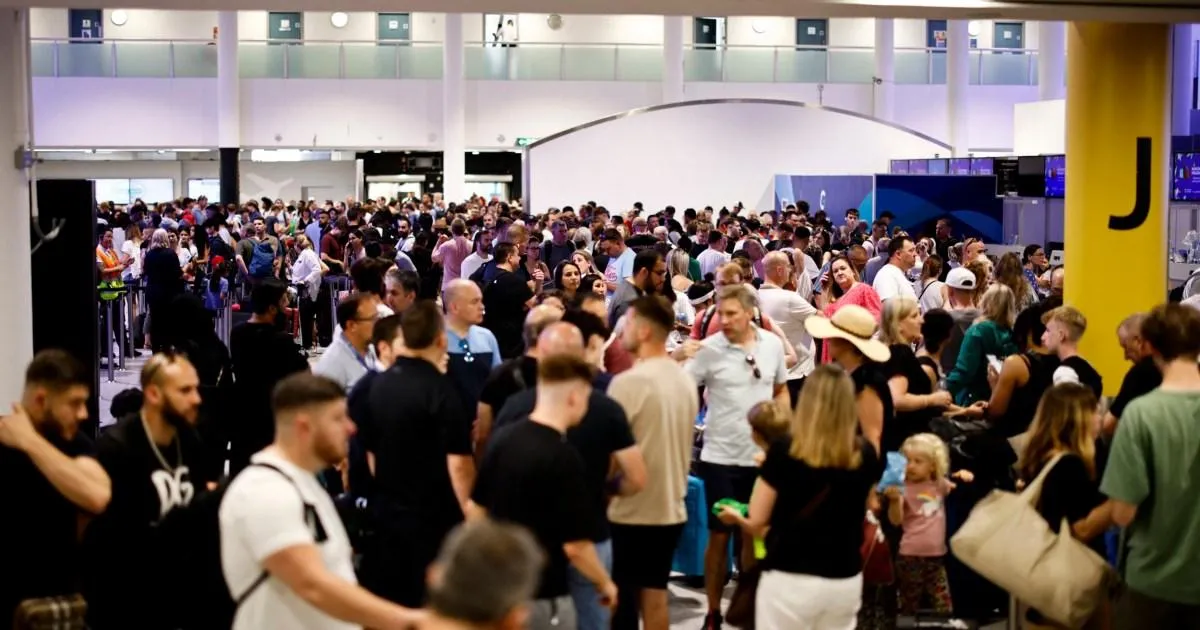
The summer heatwave has abruptly given way to a volatile bout of severe thunderstorms, triggering a massive operational breakdown across Britain’s busiest flight hubs. Over the weekend, London Heathrow and Gatwick were ground zero for a travel meltdown, with more than 900 flights facing significant delays and dozens being scrapped entirely. According to flight tracking data, passengers were left in limbo for as long as 11 hours, turning what should have been a seamless getaway into an exhausting ordeal. With roughly 40,000 travelers impacted, the ripple effect of these storms has left departure boards glowing with cancellations, ranging from British Airways routes to European capitals like Milan and Rome, to easyJet services across the continent.
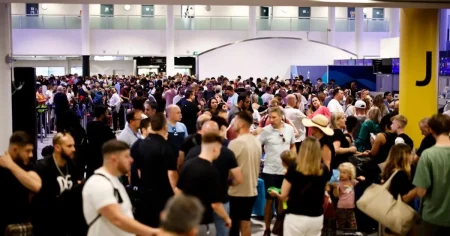
Behind the cold statistics of flight numbers lie countless stories of frustration and confusion. Passengers have described a total breakdown in communication, with many left stranded at gates or even stuck on stationary aircraft for hours without adequate support. One traveler heading from Gatwick to Rhodes detailed a harrowing five-hour wait on a plane with minimal refreshments and zero clarity regarding their travel status. At Heathrow’s Terminal 5, the situation grew even more dire; passengers reported sweltering conditions exacerbated by a lack of air conditioning and drinking water, coupled with an overwhelmed staff struggling to manage a sea of disgruntled travelers. These accounts paint a picture of a system pushed to its breaking point, leaving holidaymakers feeling abandoned during their most stressful moments.
The chaos wasn’t just a British problem; it serves as a stark reminder of how interconnected modern aviation is. When the airspace bridging southeast England and northwest Europe becomes congested due to weather, the delay spreads like a contagion across the continent. Flights departing from Spain, Italy, Germany, and Greece were all held back, waiting for revised departure slots as the airspace became a bottleneck. European air traffic controllers, Eurocontrol, flagged a broad swathe of the continent—stretching from northern Spain to southern Sweden—as high-risk for further storm development. This isn’t just about a few rain clouds; it is about the fragility of global travel schedules when faced with the unpredictable power of nature.
While many passengers understandably wonder why an aircraft can’t simply “fly through” a bit of bad weather, the technical reality is far more restrictive. Despite being marvels of modern engineering, commercial airliners are strictly kept clear of intense storm cells for fundamental safety reasons. Thunderstorms are notorious for hiding severe turbulence, wind shear, and massive updrafts that can throw a plane off course in seconds. Furthermore, hail poses an immediate risk of structural damage, while heavy rain can obscure a pilot’s vision during the critical phases of landing and takeoff. Consequently, air traffic control must reroute flights, which pushes planes onto longer paths and causes a “domino effect” where delayed aircraft miss their next scheduled takeoff, compounding the backlog throughout the day.
For those caught in the middle of this mess, the situation can feel hopeless, but consumer protections do exist. Under UK law, the Civil Aviation Authority (CAA) mandates that airlines must provide “duty of care” to passengers whose flights are cancelled. This includes providing food and drink vouchers, essential communication, and, if necessary, overnight hotel accommodation and transport. Perhaps most importantly, if an airline is too overwhelmed to make these arrangements for everyone, passengers are technically permitted to book these reasonable services themselves and apply for reimbursement later. The golden rule for any stranded traveler is to keep every single receipt and avoid “luxury” upgrades, as airlines will only cover costs that are deemed fair and essential.
Ultimately, these recent events highlight the vulnerability of our summer travel plans to the growing frequency of extreme weather. It is a sobering reminder that, regardless of how much we plan for our holidays, we are often at the mercy of the atmosphere. While airlines are striving to recover, the experience serves as a wake-up call for travelers to remain vigilant, monitor their flight status obsessively, and be prepared to advocate for their rights should the weather turn. While the skies may eventually clear, the strain placed on ground crews, passengers, and the logistics of international travel remains a significant challenge, ensuring that even a post-heatwave storm leaves a long-lasting impact on thousands of lives.