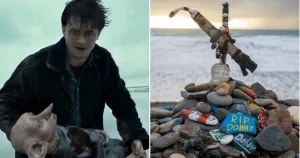

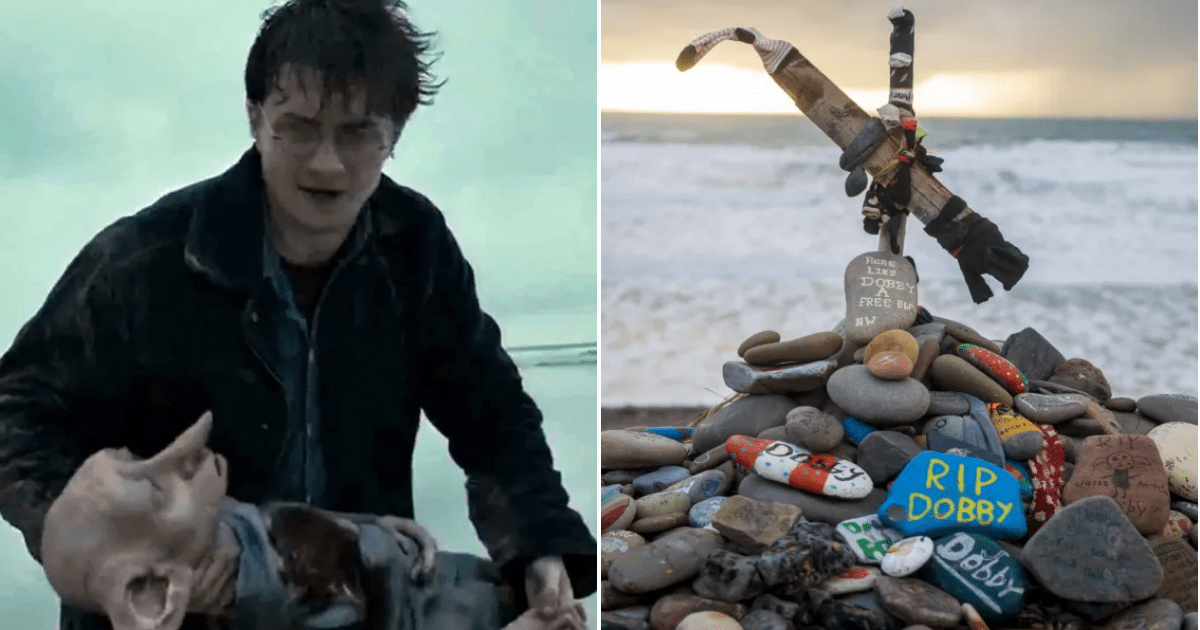
The power of fandom is often underestimated, yet a recent chapter in the history of a major energy project proves that collective passion can alter the course of industrial development. In Pembrokeshire, Wales, the picturesque Freshwater West beach has become a place of pilgrimage for Harry Potter enthusiasts. This sandy stretch served as the filming location for the heartbreaking final moments of Dobby the house elf, and fans have transformed the site into a living memorial, adorned with painted pebbles and, most poignantly, socks. When a multi-million-pound initiative threatened this sacred ground, the global community of “Potterheads” proved that they were not merely passive consumers of cinema, but active guardians of their cultural heritage.
The controversy centered on the Greenlink interconnector, a £430 million project designed to facilitate the flow of wind and solar energy between the United Kingdom and Ireland. Initially, the proposed path for the undersea cable was set to cut directly through the dunes of West Beach, the very area where the fictional Dobby was laid to rest. When news of the development broke, the project’s former director, Simon Ludlam, suddenly found himself the target of an unexpected, high-volume campaign of public protest. Fans were not writing polite letters; they were flooding his team with hundreds of concerned, and often furious, phone calls, insisting that the grave of their beloved character remain undisturbed.
For Ludlam, the experience was a surreal introduction to the intensity of pop culture devotion. Admitting that his initial reaction was a bewildered, “Dobby? Who’s Dobby?”, he soon realized that dismissing the grievances of the fanbase was not an option. His colleagues, particularly those handling the project’s permitting, urged him to treat the situation with the utmost seriousness, emphasizing that the fans’ attachment to the site was far from trivial. What began as a logistical planning issue quickly transformed into a public relations crisis, as the team realized that ignoring the cultural significance of the dunes would not only be unpopular but potentially detrimental to the project’s reputation.
Ultimately, the pressure from the fans compelled the project team to return to their maps and drafting boards. In a remarkable victory for the power of collective voices, the engineers successfully rerouted the cable, ensuring that the memorial would remain perfectly intact. The Greenlink interconnector, which is capable of powering 380,000 homes, officially opened in April, having successfully balanced the modern necessity of renewable energy with the preservation of a site that holds deep emotional value for millions of people worldwide. It stands as a testament to the fact that developers, when confronted with overwhelming public sentiment, are capable of adjusting their plans to respect the cultural landmarks that define a community.
This incident is not the only time the memorial has faced scrutiny. In 2022, the National Trust Cymru, which manages the beach, engaged in a delicate balancing act, considering whether the ever-growing collection of tributes—which include socks, trinkets, and painted stones—was putting the local environment at risk. The concern was that these items could degrade or wash into the sea, potentially harming marine life. While the Trust ultimately decided that the memorial could remain, they introduced a “leave no trace” policy, urging fans to photograph the site rather than leaving physical objects behind. It was a compromise that sought to protect the natural beauty of the Welsh coast without erasing the heartfelt tributes left by fans.
Ultimately, the story of Dobby’s grave serves as a fascinating look at the evolving relationship between heritage, pop culture, and environmental stewardship. It highlights a world where the lines between fictional history and physical reality are increasingly blurred, creating new responsibilities for those who manage public spaces. Whether it is preventing an energy project from disrupting a beloved memorial or managing the ecological impact of a thousand socks, the ongoing saga of Freshwater West shows how deeply these stories are woven into the fabric of our lives. It remains a rare, charming example of how humanity’s shared love for a story can influence the tangible, physical world in surprising and meaningful ways.