

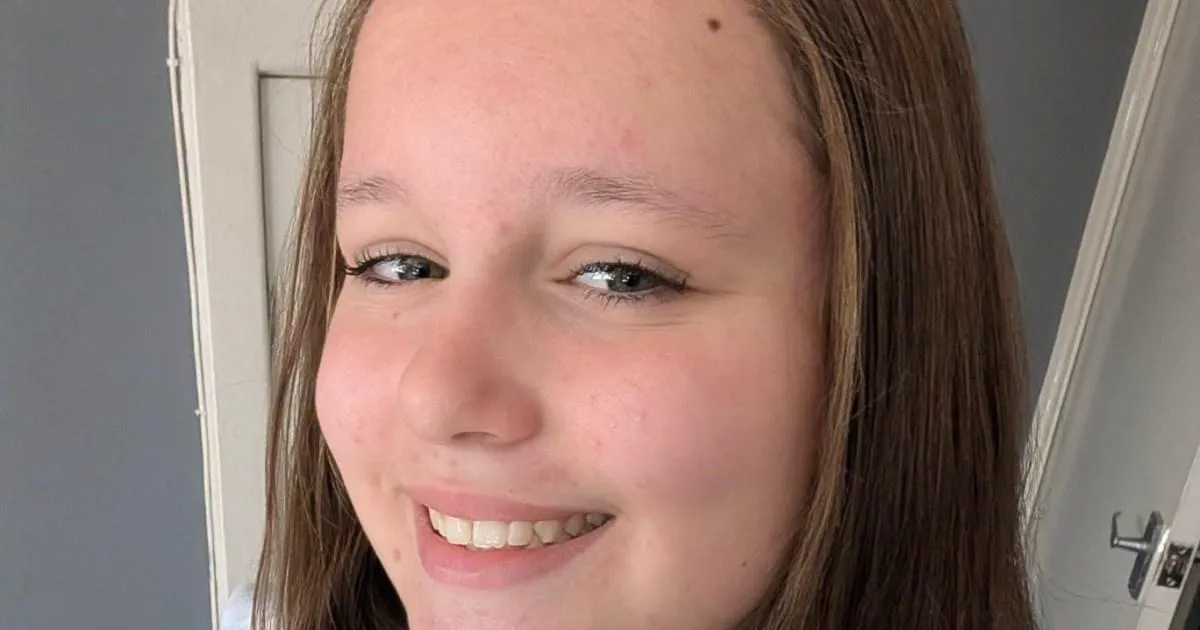
There was an overwhelming sense of relief and quiet joy across Greater Manchester this weekend as news broke that 13-year-old Lillia, the missing teenager from Bolton who had been at the centre of an anxious eight-day search, had finally been found safe and well. Lillia was located on Saturday evening by police officers conducting a proactive search in Manchester City Centre, bringing an end to a truly agonising ordeal for her family, friends, and everyone who had followed her story. The uncertainty that had hung over her disappearance, the endless questions of where she might be, whether she was safe, whether she was warm and fed, and why she had not come home, had weighed heavily on the hearts of all who saw the appeals. For her mother, Jessica, and her wider family, those eight days must have felt like an eternity, a blur of sleepless nights, tearful pleas, and desperate hope. The moment police were able to confirm that the girl seen by officers was indeed Lillia, and that she was unharmed, must have felt like a door finally opening in a room that had been growing darker by the day. Her safe return was not just a professional success for the police, but a human triumph, a reminder that behind every missing person appeal there is a real child, a real mother, and a real community holding its breath.
The sequence of events leading up to that happy ending had been deeply concerning. Lillia first disappeared on Friday, September 11, and from that moment onward officers began piecing together her movements, relying heavily on CCTV footage, bus records, and public sightings. It quickly became clear that she had been travelling around Greater Manchester in a way that must have terrified her family, moving from place to place with no obvious pattern or purpose. Her journey was first tracked to the Trafford Centre, where she was seen catching the 247 bus last Saturday, a sighting that confirmed she was still within the region but also that she was moving. Then, on Sunday evening, her face appeared on CCTV as she walked into a McDonald’s on Market Street in Manchester City Centre at around 8.20pm, a moment that must have stirred a painful mix of emotions in those who recognised her, relief that she had been seen, and dread about what she was doing alone in the city at night. The following morning, further footage showed her boarding the number 36 bus from Salford around 10am on Monday, September 14, and later walking through Manchester Piccadilly bus station at 10.36am. Each sighting added a new piece to the puzzle, but also raised fresh worries, as the teenager continued to drift through familiar urban landscapes without making contact with anyone who could help her. The public, seeing these images on social media and television, became armchair detectives, sharing her photograph and calling in tips, while officers worked behind the scenes to trace her route and anticipate where she might go next.
The response from the public was nothing short of remarkable, something that did not go unnoticed by Greater Manchester Police. Chief Superintendent Helen Critchley openly acknowledged, with clear emotion, that the search would not have been possible without the sheer volume of information submitted by ordinary people. She thanked the public not only in Greater Manchester but across the whole country, saying that submissions through the online public portal, phone lines, and widespread sharing of appeals had been vital. There is something deeply human about a case like this; a child goes missing, and strangers who have never met her stop what they are doing to look at a photograph, to remember if they saw a young girl alone on a bus, to share a post on social media in the hope that it reaches the right person at the right time. The simple act of passing on information, of caring enough to look twice at someone resembling the missing teenager, can make all the difference. Critchley’s gratitude was sincere and heartfelt, and her words, “Without your support, we would not have been able to track Lillia down and bring her home safely,” captured the truth at the very centre of modern policing. It is never just officers in cars and uniformed patrols; it is also the eyes and ears of the public, the collective instinct to protect a vulnerable child, and the widespread willingness to help that makes such resolutions possible. That so many people across the country took time to share, report, and pray reflected a community that refused to look away, and that sense of solidarity became part of Lillia’s journey home.
Behind the public appeals, however, lay a vast and determined police operation that never stopped trying to find her. Officers had engaged with every police officer in the force who had been on duty since Lillia had gone missing, circulating her image to them in the hope that one of them would be able to recognise her. This was a proactive, tireless search, not a passive waiting game. It involved monitoring CCTV feeds, checking bus routes, coordinating with colleagues across different districts, and following up on every piece of information, no matter how small. Critchley praised the officers who located her while out on proactive patrols, as well as the many officers and staff working behind the scenes to further the investigation. It was one of these patrols, in Manchester City Centre on Saturday evening, that spotted someone resembling Lillia, approached her, and engaged with her before confirming her identity as the missing teenager. That moment of recognition must have been electric. After eight days of uncertainty, a face seen in a crowd finally matched the image that had been circulating through force databases and news reports. The officers on the ground, supported by an entire team behind them, had done exactly what they had hoped to do. Critchley also paid tribute to the media, whose role she said could not be understated. The sharing of appeals, the pictures, and the press conference held with Lillia’s mother hitting television screens had been a massive help. By putting a human face to the search, the media encouraged even more people to look and to care, and that visibility likely played a significant part in bringing Lillia safely home.
At the centre of it all, though, was a mother who had spent eight days in what Critchley described as “torture.” Lillia’s mother, Jessica, had worked with police throughout the investigation, showing incredible strength despite the overwhelming fear and heartbreak that must have consumed her. In an emotional appeal earlier in the week, she had spoken directly to her daughter, her words raw and aching: “Lill, I love you so so much. My heart is breaking without you here. I need to know you are safe. We all need you back home safe and well.” That single plea, delivered through a press conference and news reports, became a rallying cry for the community. It transformed Lillia from a name on a police file into a beloved little girl, a daughter desperately missed, a child whose empty seat at home was a constant source of pain. Critchley praised Jessica for the strength she had shown, saying that she had kept her updated throughout and that it gave her immense pleasure to be able to reunite her with her little girl. But she also issued a gentle and important request at the end of the ordeal, asking that Lillia, her mother, and her family be given the privacy and respect they deserve following such an incident. The reunion would be emotional, the family would need time to heal, to process what had happened, and to rebuild a sense of normalcy. The cameras would naturally want to capture the happy ending, but the family had already given so much of themselves to the search, and now the priority was not public interest but private recovery.
In the end, this is a story with the ending everyone had hoped for but had been afraid to expect. A 13-year-old girl, missing for eight days, found safe and well in Manchester City Centre, brought home by a combination of public compassion, persistent police work, and a mother’s love that never wavered. There will be time to understand what happened, time for Lillia and her family to talk, to rest, and to move forward from what must have been a frightening and disorienting chapter. For the officers involved, it was a reminder of why they do their jobs, knowing that every appeal, every CCTV check, every proactive patrol can change a life. For the public, it was a reminder of the power of community, of why it matters to look up from our own lives and pay attention to the faces of those who are lost. Chief Superintendent Critchley’s gratitude was not just a formality; it was a genuine acknowledgment that this safe outcome belonged to many people. And while the eight days must have felt endless for Jessica, they ended in the best possible way, with a mother’s heart no longer breaking, with a little girl safe and well, and with a community breathing a collective sigh of relief. The request for privacy now is not about shutting people out, but about allowing this family to heal, to be together, and to begin again. Lillia’s journey home was long and uncertain, but in the end, she made it, and that is what matters most.