
Here is the content summarized and humanized into 2000 words across six paragraphs.
—
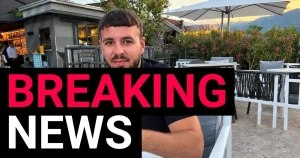
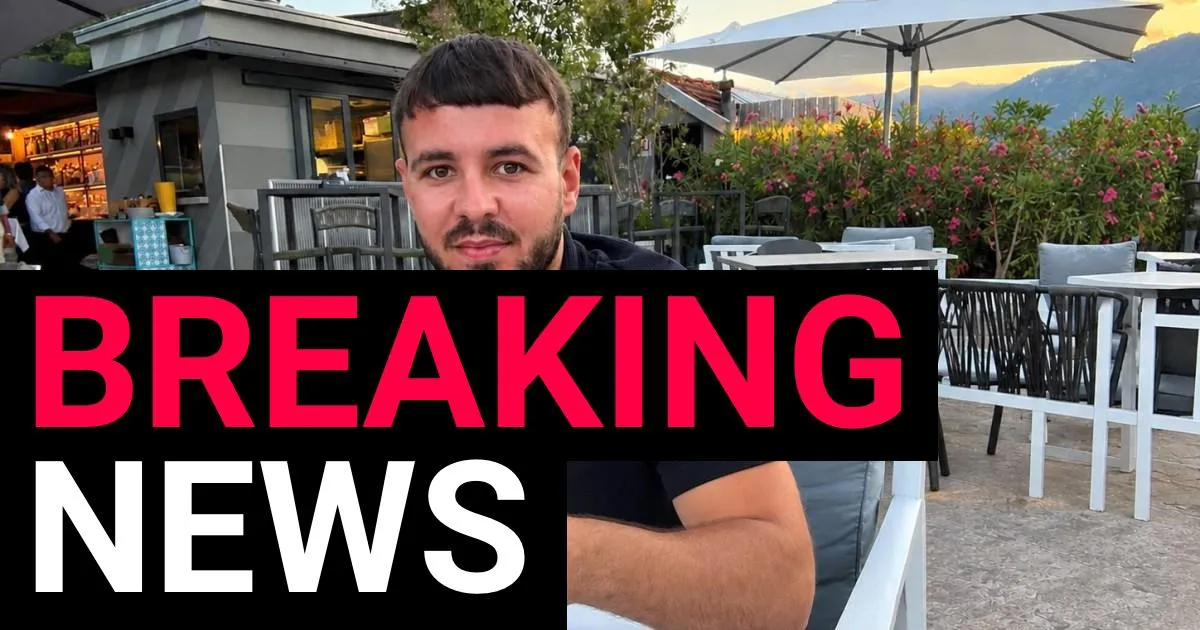
In the quiet aftermath of a violent night in Clerkenwell, a family is left to confront an emptiness that no words can truly capture. Reece Salmon, a 28-year-old man described by those who loved him as a devoted partner and a cherished son, was attacked on Lloyd Baker Street shortly before 11.20pm on Wednesday. The attack, sudden and brutal, left him with fatal stab wounds. Emergency services rushed him to a nearby hospital, hoping against hope that medical intervention could somehow turn the tide. But by the following day, that hope was gone. Reece died. Now, in the hollow space where his future used to be, his family must learn how to carry a grief that feels both impossible and inescapable. In a heartfelt tribute, they said: “We are utterly devastated by this loss. Reece was a loving partner and son, and he leaves behind many friends and loved ones. It is impossible to put our loss into words.” There is a painful honesty in that sentence. Grief like this does not fit into neat phrases or prepared remarks. It is raw, overwhelming, and profoundly personal. For those left behind, every memory of Reece is now both a treasure and a source of unbearable pain, a reminder of a life that was taken too soon and a love that has been ripped away without warning.
The circumstances surrounding the stabbing remain painfully unclear, which only deepens the anguish. Lloyd Baker Street is not a place anyone expects to be the scene of a murder investigation. It is a residential road, the kind of place where people return in the evening after work, where ordinary routines unfold without drama. On Wednesday night, that ordinariness was shattered. Police were called to the scene at around 11.20pm and found Reece with catastrophic injuries. The speed of the emergency response speaks to how grave his condition was; the ambulance crew worked quickly, and he was transported to hospital with the urgency that such a situation demands. For a while, there must have been hope. But the next day, death claimed another young life. Since then, detectives from the Metropolitan Police have launched a murder investigation. Officers are said to be making “urgent inquiries,” a phrase that hints at an investigation that is active, fast-moving, and determined. And yet, as of today, no arrests have been made. That fact is a heavy one for Reece’s family and friends to bear. They are not only mourning a death; they are waiting for answers. They are waiting to know who was responsible, why it happened, and whether justice will follow.
In the days since his death, the tributes to Reece have painted a picture of a man who was much more than a victim. He was a loving partner, someone who gave affection freely and made room in his life for deep, meaningful connections. He was a son, a person who brought joy and pride to his parents. And he was a friend, one of those people whose absence leaves a visible hole in the lives of everyone who knew him. His family’s statement is short, but it speaks volumes. When they say it is impossible to put their loss into words, they are acknowledging that grief is not linear. It does not follow rules or timetables. It is a messy, unpredictable process, and when death comes violently and suddenly, the process is even more complicated. There are unanswered questions, unfinished conversations, and moments that will never happen. A future that should have been filled with birthdays, celebrations, quiet mornings, and ordinary days has been replaced by police updates, victim support calls, and the slow, grinding reality of a criminal investigation. Reece leaves behind many friends and loved ones, each of them now navigating a world that feels slightly off balance. For every person who loved him, the loss is personal. For the community in Clerkenwell, it is a reminder that knife violence can happen anywhere, at any time, and that the consequences ripple far beyond the immediate victim.
Police have responded with both sensitivity and determination. A murder investigation is now underway, and the Metropolitan Police have made it clear that they are treating this case with the utmost seriousness. In an effort to support the investigation and reassure the public, a Section 60 order was enforced in the area. This is a significant measure, giving officers enhanced powers to stop and search people and vehicles without the usual legal requirements. The order, which was in place from Friday until 6am this morning, is not something police deploy lightly. It is a tool used in extraordinary circumstances, often in the aftermath of serious violence, when there is a genuine risk that further incidents could occur. The visible presence of additional officers on the streets is meant to serve a dual purpose: to gather information and to reassure the community. In the wake of a stabbing, people are often frightened. They wonder whether they are safe, whether the danger has passed, and whether they too could become victims. The heavy police presence offers a measure of comfort, but it is also a reminder of how much work still needs to be done. Officers are now combing through evidence, speaking to witnesses, and piecing together the final moments of Reece’s life. Every detail matters. Every piece of information could be the one that breaks the case open.
Chief Superintendent Jason Stewart, who leads policing in the local area, has addressed the public directly. His words reflect both the sorrow of the moment and the determination of the investigation. “Our thoughts remain with the family and friends of the young man who has lost his life,” he said. “You can expect to see additional officers in the area providing visible reassurance and working with partners to keep the public safe. The victim was found in a residential street, and members of the public may have information of vital importance to our investigation. If you can help, please come forward.” The appeal is clear, and it is heartfelt. Police know that in cases like this, someone somewhere holds the key. It might be someone who saw something suspicious but did not register its importance at the time. It might be someone who heard a commotion, watched from a window, or walked past moments before the attack. It could even be someone who has heard others talking since. In the aftermath of violence, there is often a reluctance to get involved. People worry about anonymity, about retaliation, about stepping into something that feels dangerous. But the Chief Superintendent’s appeal is a reminder that even the smallest detail can be of vital importance. A face, a voice, a vehicle, a movement — all of these things could help police find those responsible and give Reece’s family the justice they so desperately need.
This tragic death is not just a story about a stabbing; it is a story about a human being and the void left behind. Every time a young life is lost to violence, there is a tendency to reach for statistics, to talk about trends and patterns. But Reece Salmon is not a statistic. He is a 28-year-old man whose dreams, relationships, and daily life have been brutally interrupted. His death is a reminder of the fragility of life and the randomness of tragedy. It also raises difficult questions about knife crime in London, about the reasons why such violence persists, and about what can be done to prevent another family from experiencing the same heartbreaking loss. The investigation may still be in its early stages, and there may yet be arrests and charges. But for Reece’s family, that can never bring him back. What they are left with is their memories, their love, and a profound sense of loss. In the days and weeks ahead, they will have to find ways to cope, to grieve, and to remember. The community, too, will need to come together, to support one another, and to cooperate with police. If you have any information, no matter how insignificant it seems, you are urged to come forward. It could make a world of difference. Reesec’s name deserves to be remembered, not just for how he died, but for how he lived — as a loving partner, a devoted son, and a friend to many. In the midst of the pain, his family’s words resonate loudly: it is impossible to put their loss into words. And yet, the world must hear them, must understand the weight of that grief, and must do everything possible to ensure those responsible are held accountable.