


The Iconic HSBC Tower in Canary Wharf is Getting a Massive, Swiss-Cheese-Inspired Makeover
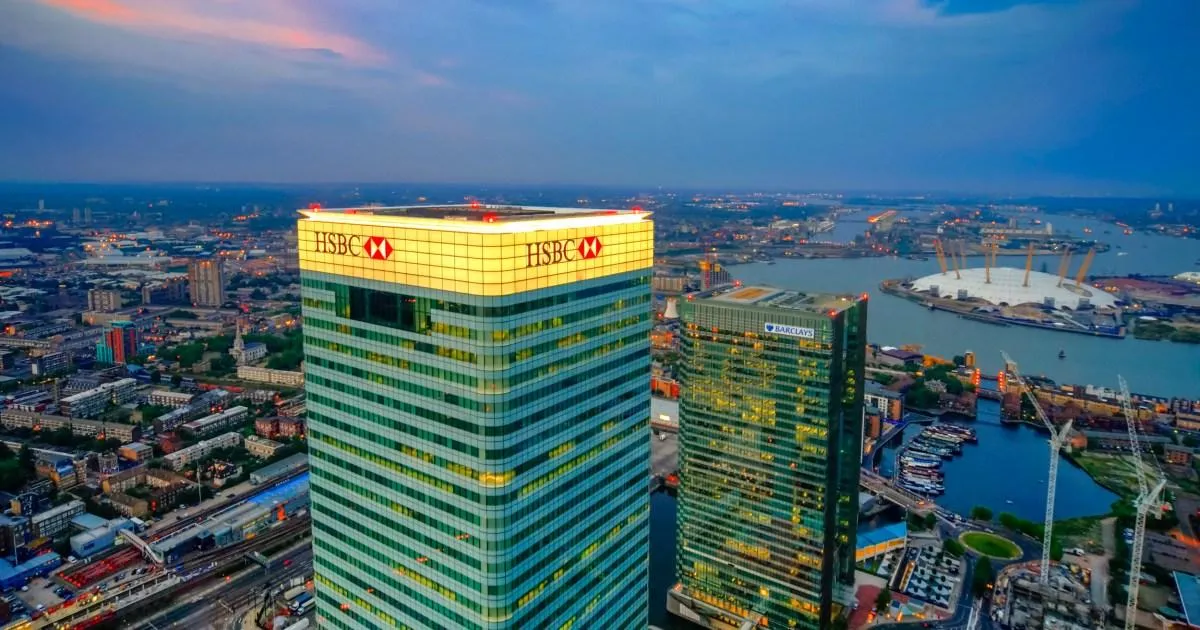
One of London’s most recognizable financial landmarks, the colossal HSBC Tower at Canary Wharf, is set to undergo a dramatic and unprecedented transformation that will completely alter its position on the London skyline. The 45-story skyscraper, a symbol of the city’s financial might since its completion in 2002, is preparing for a new lease on life as its primary tenant prepares to abandon ship. With HSBC’s lease on the building expiring next year and the banking behemoth expected to relocate its headquarters to the more traditional financial district of the City of London, the future of this massive structure has been a topic of intense speculation. Now, the owners have unveiled ambitious plans that will not only repurpose the interior but will fundamentally change the building’s exterior silhouette, carving it up in a way that is sure to draw comparisons to a block of Swiss cheese. The proposal, submitted by the Qatar Investment Authority (QIA) and Canary Wharf Group (CWG) to the local council, signals a bold new era for the business district, moving away from its single-use corporate past and towards a vibrant, mixed-use future.
The sheer scale of this project is staggering, with reports suggesting a renovation budget that could reach a whopping £1 billion. This isn’t just a simple office refit; it’s a total reimagining of what a skyscraper can be in the 21st century. The plan is to convert the monolithic tower into a dynamic vertical neighborhood, featuring a 181-room hotel, a diverse array of restaurants and leisure facilities, and a significant amount of multi-tenant office space. Perhaps the most visually striking aspect of the design, however, is the proposal to physically cut away large chunks of the building’s upper floors. This will create a series of staggered terraces that puncture the building’s facade, giving it a porous, honeycomb-like appearance and providing outdoor spaces suspended hundreds of feet in the air. This innovative design choice, led by the architectural firm Kohn Pedersen Fox (KPF), is intended to foster a sense of community and open-air accessibility that is typically absent in traditional corporate towers, promising to turn this former bastion of banking into a must-visit destination.
Beyond the aesthetic overhaul, the functionality of the ground floor is set to be completely revolutionized. A key feature of the redevelopment is the creation of a new public walkway that will cut directly through the base of the tower, creating a vital new pedestrian link between the bustling Elizabeth line station and the tranquil greenery of Canada Square Park. This will effectively tear down the figurative walls that have historically separated the tower from the public realm, inviting people in and integrating the building more seamlessly into the surrounding neighborhood. The interior spaces are also being redesigned for a post-pandemic world, with the office component of the building no longer being a monolithic space for a single corporation. Instead, the middle floors will be reconfigured to accommodate a variety of businesses, from startups to established firms, fostering a more collaborative and diverse working environment. According to reports, asset management giant BlackRock is already expressing serious interest in occupying a significant portion of this new, flexible office space, signaling strong confidence in the future of the Canary Wharf district.
Ascending to the top of the tower, the plans become even more spectacular. This is where the staggered terraces will carve into the structure, offering breathtaking, panoramic views of the London skyline from multiple vantage points. The crowning jewel of the project, however, is a large, glass-clad structure dubbed “The Cloud,” which will sit atop the tower and function as a premier event space. This transparent venue, complete with restaurants and bars, is designed to offer an unparalleled 360-degree view of the city, solidifying the tower’s status as a major leisure and entertainment destination, not just a place of work. The transformation is a clear acknowledgment that the future of major cities, and specifically London, lies in creating truly mixed-use environments where people can live, work, and play all in one location. This concept, often referred to as the “15-minute city,” is at the heart of the redevelopment strategy, as articulated by Shobi Khan, CEO of Canary Wharf Group, who emphasized that this project is another step in the district’s evolution into a vibrant, mixed-use neighborhood.
The timeline for this massive undertaking is ambitious but deliberate. The HSBC tower will be completely stripped of its interiors once the banking giant finally departs in 2027, with the major renovation work expected to commence the following year in 2028. While no official completion date has been announced, the project is expected to take several years to fully realize, transforming the skyline as we know it by the early 2030s. This project is not occurring in a vacuum; it is part of a broader trend of reimagining iconic London landmarks. The BT Tower, another beloved symbol of the capital’s communications era, is concurrently being transformed into a luxury hotel, complete with a rooftop swimming pool and a revolving observation deck. This wave of adaptive reuse highlights a growing movement to find new, sustainable purposes for outdated, single-use infrastructure. By choosing to dramatically retrofit the HSBC Tower rather than demolish and rebuild, the developers are making a significant statement about sustainability, reducing the carbon footprint associated with construction waste and new materials.
Ultimately, the transformation of the HSBC Tower into what some are playfully calling the “Swiss Cheese” building is a powerful metaphor for the evolution of London itself. It represents a shift from the rigid, exclusionary corporate culture of the past to a more open, diverse, and experiential urban future. The building will no longer be a monolithic icon of a single financial institution but a living, breathing part of the city, hosting tourists, diners, office workers, and residents in equal measure. The project’s success will be a key test for the future of Canary Wharf, proving that even the most austere towers can be reborn as thriving community hubs. For Londoners, it promises a new and exciting landmark with rooftop bars and public spaces that will open up the city in new ways. The once-imposing fortress of finance is set to become a welcoming beacon for all, a phoenix rising from the ashes of the old economy to embody the vibrant, multifaceted spirit of modern London. It’s a daring, costly, and incredibly exciting vision that will undoubtedly reshape the capital’s skyline and redefine what it means to repurpose the past for the future.