

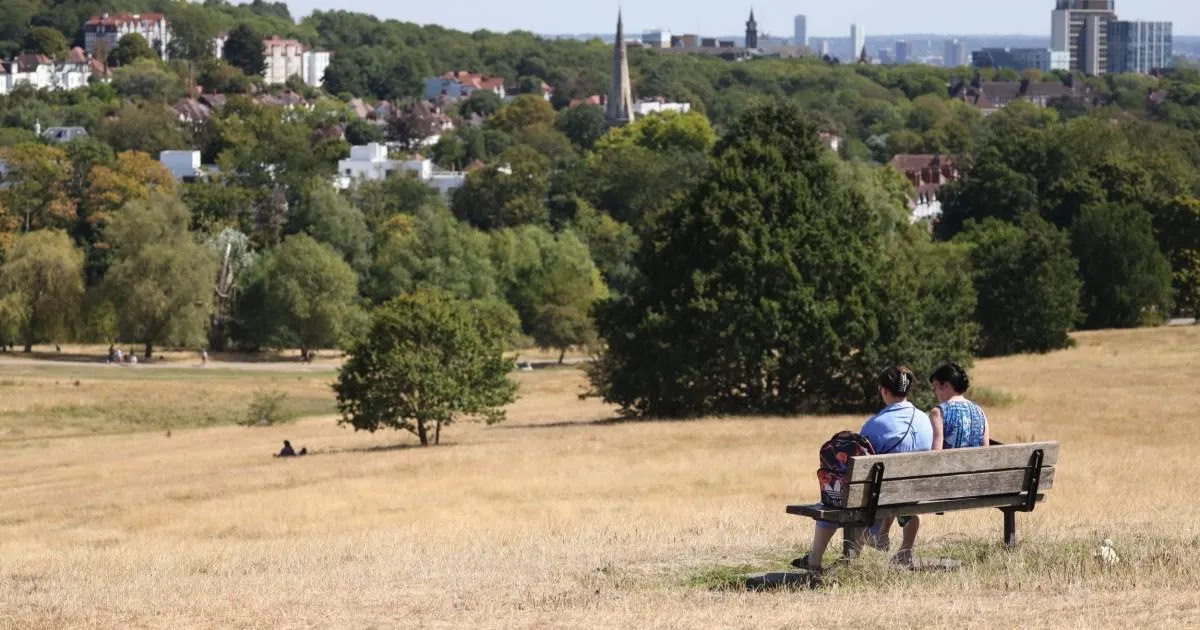
The UK is currently bracing for its fifth heatwave of an already grueling summer, a season characterized by relentless, record-breaking temperatures and a pervasive, bone-dry landscape. As we look toward the middle of the week, the Met Office has signaled that mercury levels could climb to a sweltering 36°C or potentially even higher. While we have grown somewhat accustomed to the sweltering patterns of recent months, this latest surge is significant enough that meteorologists are currently weighing the necessity of issuing rare amber or red extreme heat warnings. It serves as a stark reminder that this climate reality is no longer just a distant weather forecast, but an ongoing challenge that touches every aspect of our daily lives.
The atmospheric pressure is expected to build tomorrow, setting the stage for what experts believe will be the hottest days of the week, specifically Wednesday and Thursday. Meteorologist Tom Morgan has highlighted the Midlands, the M4 corridor, and the areas west of London as the primary hotspots where these extreme temperatures are most likely to manifest. While these figures are mathematically significant, they also carry tangible, often difficult, real-world consequences. We are moving past the point of casual conversation about the weather and into a period where the intense heat threatens to disrupt our fundamental infrastructure, from the integrity of our railway lines to the stability of our local power networks.
Beyond the logistical strain on the country’s framework, the human cost of these conditions remains a profound concern. Official data paints a somber picture, with nearly 3,000 excess deaths linked to the heatwaves experienced earlier this May and June. It is a sobering statistic that highlights the vulnerability of our communities, particularly the elderly and those with pre-existing health conditions who struggle to regulate their bodies against such prolonged environmental stress. In response, the UK Health Security Agency has already rolled out a series of yellow heat health alerts across major regions, including London, the Midlands, and the entirety of the southeast and southwest, urging citizens to take the necessary precautions as we face this next surge.
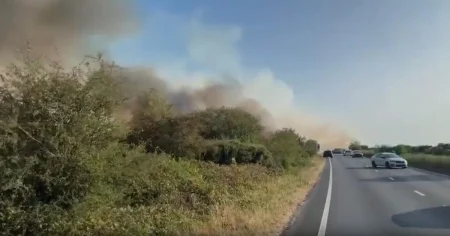
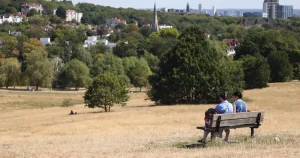
The environmental context of this heatwave is equally severe, with the land itself showing visible signs of distress. Half of England and the entirety of Wales are now officially designated as being in a state of drought, a status that has forced millions of people—over 25 million, by some counts—to live under strict water usage restrictions. For the average household, this means navigating life under hosepipe bans, a daily reminder that the water reserves we often take for granted are dwindling. As officials from the National Drought Group gather to discuss the path forward, the conversation is shifting from temporary inconveniences to a long-term assessment of how we manage our precious resources in an increasingly arid climate.
It is easy to become desensitized to these reports when they follow one another so closely, but we must recognize that this cumulative, “exceptional” summer is anything but normal. What we are witnessing is an unprecedented endurance test for both our environment and our social care systems. Even as many of us try to find ways to cope—whether by managing our home gardens to survive the drought or checking in on neighbors who might be struggling—the broader reality remains that our infrastructure and our public health systems are being pushed to their limits by these sustained high temperatures.
Ultimately, this week represents another chapter in a season defined by its relentless intensity. As the mercury rises toward those mid-30s peaks, the focus must remain on community resilience and caution. Whether the Met Office officially elevates the warnings to red or keeps them at amber, the underlying message is clear: the heat is a formidable force that requires our full attention and care. By staying informed, looking out for the most vulnerable among us, and respecting the environmental limitations currently in place, we can better navigate the remainder of this demanding summer while keeping ourselves and our neighbors safe.