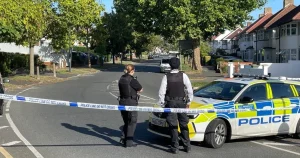

London’s Liverpool Street station is a place of constant motion, a bustling crossroads where thousands of people pass through every day, each absorbed in their own commute, their own worries, their own plans. On the afternoon of September 19, shortly after 3:30pm, that ordinary rhythm was shattered in an instant. A man, whose identity has not been released, was assaulted at one of the station’s entrances in an attack that was as sudden as it was brutal. The victim, who was simply going about his day, was left with injuries that would mark him for a long time: a broken collarbone, a deep cut to his head that required staples, and two teeth knocked out. It is the kind of violence that does not just break bones or draw blood; it breaks trust, it fractures a person’s sense of safety, and it leaves invisible scars that take far longer to heal than the visible wounds. For the victim, that September afternoon should have been unremarkable, but instead it became a turning point, a moment he will likely relive for years to come.
The physical injuries alone are severe enough to understand the brutality of what happened. A broken collarbone is not a minor inconvenience; it is a painful fracture that affects nearly every movement of the arm and shoulder, requiring weeks or even months of recovery, limited mobility, and in some cases, surgery. The deep laceration to the man’s head, which needed staples to close, speaks to the force used and the potential danger he was in; head wounds bleed profusely, and the fact that it required surgical staples suggests it was not a superficial cut but a serious wound that could easily have been far worse. Losing teeth in an assault is particularly cruel, because teeth are not just functional; they are central to how we speak, how we eat, and how we smile. Replacing them is costly, time-consuming, and emotionally draining. But beyond the medical report, there is a human being behind these injuries, someone who now has to navigate a world that feels far less safe than it did before. He has to stand in front of a mirror and see the marks of violence on his body. He has to explain to family and friends why he is in pain, why he cannot work, why he flinches at sudden movements. He has to travel, perhaps through the very same station, with a heart full of anxiety. The aftermath of such an attack is not a single event; it is a long, lonely road that the victim must walk, and he should not have to walk it alone.
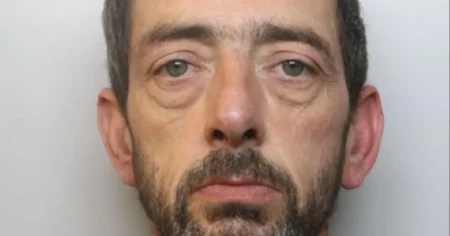
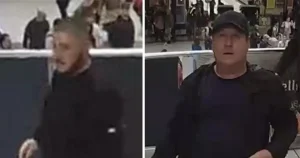
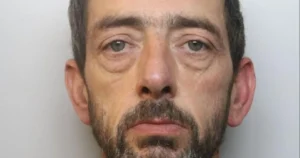
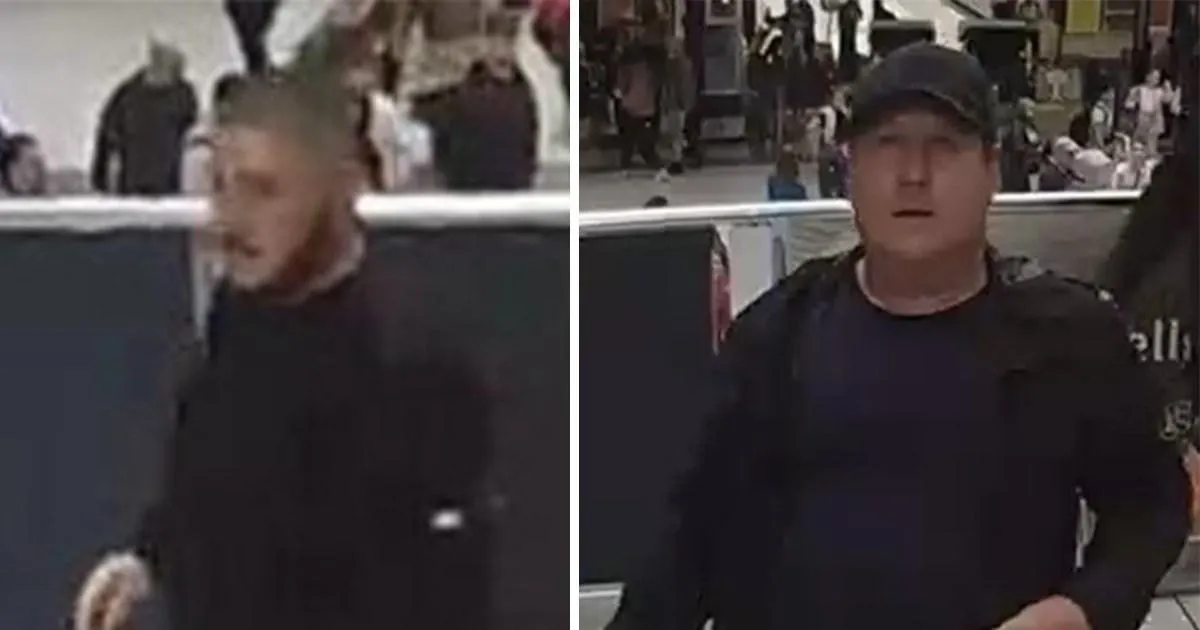
What makes this case even more unsettling is that the attackers did not stay to face responsibility. By the time British Transport Police arrived at the scene, they were gone, melting into the crowds of one of the capital’s busiest stations. There have been no arrests so far, and that means the people responsible are still out there, walking free, perhaps even returning to that same station or other public places without consequence. For the victim, this adds another layer of frustration and fear. Not only has he been physically harmed, but he has been left with the knowledge that his attackers have not been held accountable, that no one has looked them in the eye and told them that what they did was wrong. The police are investigating, and they have taken the important step of releasing images of two men they wish to speak with. It is crucial to note the wording here: the two men are not necessarily suspects in the sense of being the ones who threw the punches. They may have information that could help the inquiry. They may have seen something, heard something, or know someone who was involved. In a station as crowded as Liverpool Street, there would have been people around, and the memory of a face or a detail that seems unimportant could turn out to be the missing piece that helps solve this case.
British Transport Police are now appealing to the public for help, and their appeal is sincere and urgent. Anyone who recognises the two men pictured, or who has any information about the assault, is being asked to text the BTP on 61016 or call 0800 40 50 40, quoting reference 456 of September 19. For those who might be hesitant to come forward, there is also the option to pass on information anonymously through Crimestoppers on 0800 555 111. The fact that this is being made available shows an understanding that people sometimes feel scared or uncertain about speaking to the police directly. But the message is clear: any information, no matter how small it might seem, could make a real difference. Perhaps someone saw a man arguing with the victim. Perhaps someone noticed two people leaving the area quickly. Perhaps someone recognised the clothing, the way they walked, or a face in a photo. In the chaos of a sudden attack, witnesses often do not realise what they have seen until later, when the images are released and memory clicks into place. The police are not just looking for heroes; they are looking for people who might have glanced at a scene and looked away, people who might now be wondering whether they should get involved. To them, the message is simple: yes, you can help, and yes, it matters.
This incident, unfortunately, fits into a broader pattern of concern about violence in public spaces and on public transport. Liverpool Street is not just a station; it is a gateway to the city, used by commuters, tourists, students, and families. When violence erupts in such a place, it sends a ripple far beyond the immediate victim. It makes everyone who uses that station feel a little more vulnerable, a little more cautious. It reminds us that the shared spaces we rely on are not always as safe as we would like to believe. But it also reminds us that we have a shared responsibility to look out for one another. The police cannot be everywhere, and they cannot solve every case without the help of the people around them. A community that refuses to turn a blind eye is a community that stands a much better chance of preventing the next attack. It is easy to read a story like this and feel a sense of helplessness, but the reality is that there is something we can all do: we can be observant, we can be compassionate, and we can pass on what we know. The victim is someone’s family member, someone’s friend, someone’s colleague. He is not a statistic. He is a person whose life was interrupted by violence, and he deserves justice.
As the days pass and the search for answers continues, the hope is that someone will recognise the two men in the photographs and make the call. It takes courage to step forward, but it is the kind of courage that can change the trajectory of an investigation. For the victim, justice is not just about punishment; it is about acknowledgment. It is about knowing that the pain he has endured was not overlooked, that his community cared enough to respond, and that the people who caused him harm will be held accountable. The images have been released, the phone lines are open, and the request is simple: if you know something, tell the police. A text, a phone call, an anonymous tip, all of these are ways to help. It would be easy for this story to fade into the noise of the news cycle, but for one man, this was not a story; it was his life. He is somewhere right now, healing his body and trying to heal his mind, and he deserves to know that someone is fighting for him. Perhaps you saw something that day. Perhaps you saw something that day and it didn’t seem important. Perhaps you recognise a face from the released images. If so, please do not wait. Contact British Transport Police on 61016 or 0800 40 50 40, quote reference 456 of September 19, and know that you have played a part in helping a victim find a path toward closure.