
Paragraph 1
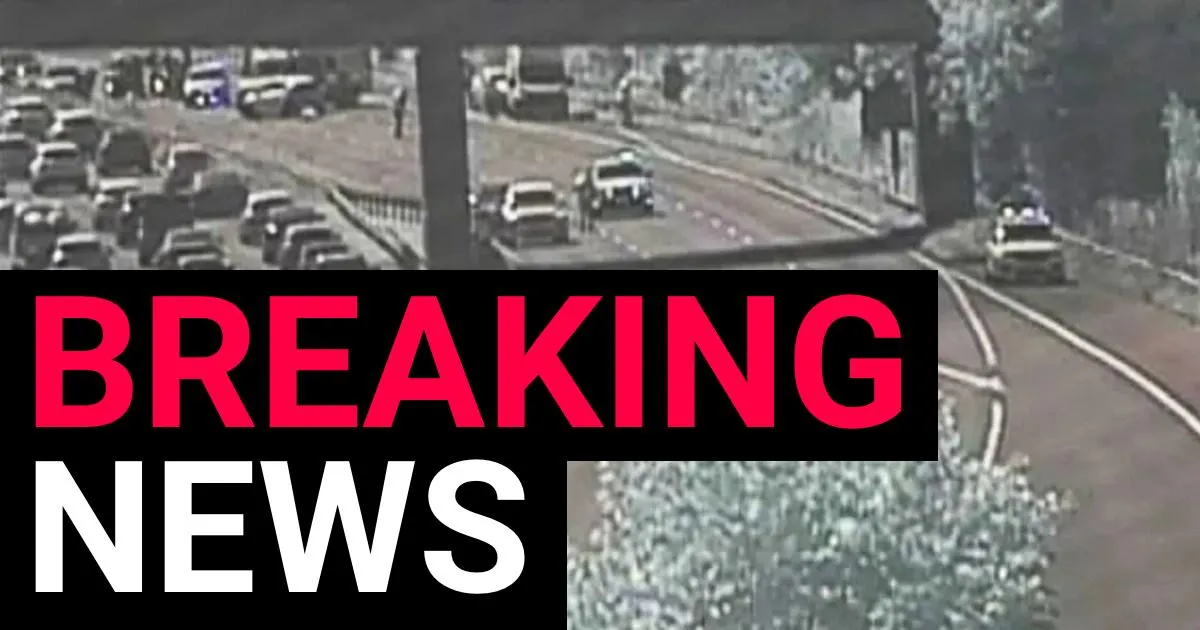
There are certain afternoons on the road that test even the calmest driver, and this was one of them for anyone heading north on the M6. What began as an ordinary journey quickly turned into a scene of flashing lights, slow-moving traffic, and the sinking realization that plans were about to fall apart. The M6 was closed northbound following a crash, and the disruption rippled outwards from the stretch of motorway between Lancaster and Carnforth. For those already caught in the chaos, the experience was all too familiar: the sudden brake lights ahead, the frustrating crawl, the radio updates that only hinted at the scale of the problem. Families trying to get home, delivery drivers chasing deadlines, and holidaymakers hoping to reach the Lake District all found themselves sharing the same tarmac, united by a common wait. The human toll of such incidents is often measured in minutes lost, but it is really measured in missed school pickups, delayed medical appointments, abandoned evenings, and the quiet stress that comes from being stuck in a place you cannot leave. Emergency services were on the scene, working to deal with the aftermath, but their presence also meant that the road was no longer fully open. The sight of a motorway cone or a police car blocking a lane can change the mood of an entire journey, and this was no exception. The northbound carriageway, normally a river of fast-moving metal, had become a parking lot for miles, with drivers peering ahead and wondering just how long they would be trapped in the flow. In moments like these, the grand network of motorways that connects the country feels less like a marvel of engineering and more like a fragile system, vulnerable to a single moment of misfortune. All it takes is one crash, one injury, one patch of bad luck, and thousands of lives are suddenly rearranged.
Paragraph 2
The specific details of the closure painted a picture of controlled chaos. One lane was shut between junction 34, near Lancaster, and junction 35, near Carnforth, while emergency services attended to the scene. This is a busy stretch of road, one that carries commuters, freight traffic, and tourists alike through the beautiful but unforgiving landscape of northern Lancashire. The decision to close a lane is never taken lightly, but in the immediate aftermath of a crash, safety has to come first. Paramedics need room to work, police need space to investigate, and recovery teams need access to the vehicles involved. Traffic was eventually allowed to pass via lanes two and three, a small mercy for those who had been stopped completely, but the relief was short-lived. Being allowed to move again at a crawling pace is not the same as being free, and the tailbacks that remained stretched back around three miles. For anyone sitting in those queues, three miles might as well have been thirty. The heat of an afternoon car, the boredom of staring at the same brake lights, the frustration of watching the satnav estimate creep higher and higher—these are the small punishments of a motorway incident. The fact that two lanes were open offered a glimmer of hope, but the reality was that the bottleneck had already formed. Every driver approaching the scene had to slow down, merge, and squeeze through the narrow opening, turning a once-fluid road into a sequence of stop-and-go jerks. The emergency services, meanwhile, were doing their best under difficult conditions, their blue lights a reminder that the delay was not just an inconvenience but a sign that something serious had happened. For those passing the scene, the brief glimpse of damaged vehicles and workers in high-visibility jackets served as a sobering reminder of how quickly things can go wrong.
Paragraph 3
The impact of the crash was felt far beyond the immediate stretch of closed tarmac. National Highways warned that delays were exceeding 60 minutes ahead of the incident, a figure that was almost certainly conservative by the time the warning went out. Congestion stretched back around three miles, creating a slow-moving ribbon of frustrated drivers. But the true scale of the disruption was not simply a matter of queue length. Every minute lost in that queue had a knock-on effect: a missed train connection, a cold dinner, a cancelled evening class, a childcare arrangement stretched to its breaking point. The people stuck in those cars were not just traffic; they were parents, nurses, sales reps, mechanics, students, and grandparents, each with their own reasons for being on the road and their own places to be. The M6 is one of the country’s most important arterial routes, and when it fails, the consequences spill onto local roads, side streets, and country lanes as drivers desperately seek alternatives. Those diversions create their own problems, with villages near Lancaster and Carnforth suddenly overwhelmed by cars looking for a way through. Residents who had been enjoying a quiet afternoon found their streets turned into temporary highways, with satnavs directing a river of metal through narrow lanes. The frustration was not limited to the motorway itself. In many ways, the crash exposed the interconnected nature of modern life, where a single event on one road can disrupt the lives of thousands of people who will never meet one another. National Highways, in posts on X, urged drivers to plan ahead and allow extra time if they were travelling in the area. The advice was sensible, but for those already sitting in the queue, planning ahead was no longer an option. All they could do was wait, listen to the radio, and hope that the situation would resolve itself before the evening turned into night.
Paragraph 4
In the face of the disruption, the official response was measured and practical. National Highways took to social media to keep the public informed, posting updates about the closure, the lane restrictions, and the expected delays. Their messages were calm and factual, but behind the bureaucratic tone lay a genuine effort to help people make better decisions. The advice to plan ahead was not just a slogan; it was a lifeline for anyone considering a journey into the affected area. Drivers were encouraged to allow extra time, to check travel conditions before setting out, and to consider alternative routes. For those already on the road, the updates were a way of understanding what was happening ahead, turning a mysterious standstill into a known problem with a possible end point. Emergency services, meanwhile, were working diligently at the scene, their priority being to care for anyone injured and to make the area safe for other road users. The process of clearing a crash scene is never quick. There are vehicles to be inspected, debris to be removed, photographs to be taken, and reports to be written. Even after the injured have been taken to hospital, the work continues. The arrival of recovery vehicles, the slow process of loading damaged cars onto flatbeds, and the careful sweeping of the carriageway all take time. It is easy, from the comfort of a queue, to grow impatient with the delay, but the men and women in high-visibility jackets are not standing around for fun. They are doing a difficult and often thankless job, surrounded by fast-moving traffic and the pressure to get the road open again as quickly as possible. The human element of this response is often overlooked. The police officers who deliver bad news, the paramedics who offer comfort to the injured, the traffic officers who stand in the rain making sure no one else gets hurt—they are all people, doing their best in a moment of crisis. Their presence is a reminder that behind every traffic report, there is a human story, one that will stay with those involved long after the lanes have reopened and the traffic cameras have moved on.
Paragraph 5
For drivers in the area, the situation demanded a combination of patience, awareness, and a willingness to adapt. The most obvious advice was to avoid the northbound M6 between junctions 34 and 35 if possible, but for many people, that was easier said than done. Local roads offered a way out, but they were never designed to handle the volume of traffic that a motorway closure can push onto them. The A6, running parallel to the motorway, often becomes the default alternative in these situations, but it too can quickly become clogged. The key, as always, was to stay informed. Listening to local radio updates, checking traffic apps, and following National Highways on social media could make the difference between sitting helplessly in a queue and finding a way around the worst of the congestion. But there was another kind of advice, less practical but just as important: the need to stay calm. Traffic incidents bring out the worst in people—the impatient overtaking, the angry gestures, the risky manoeuvres that turn a delay into a disaster. The drivers who stayed in their lanes, left space for merging traffic, and resisted the urge to check their phones were the ones who ultimately got home safely. For those whose journeys were ruined, it was worth remembering that a delay, however frustrating, is not a tragedy. The people involved in the crash itself were facing something far worse. A traffic jam is a temporary inconvenience; a serious collision can change lives forever. In the grand scheme of things, sitting in a queue for an hour is a small price to pay for the safety of everyone on the road. The urge to rush is natural, but the consequences of careless driving are permanent. As the afternoon wore on and the queues began to shrink, the best thing drivers could do was take a deep breath, let the situation play out, and remember that the road would still be there when they finally reached it.
Paragraph 6
By the time the evening approached, the worst of the disruption was likely over, but the memory of the afternoon would linger for many. The crash on the M6 was not just a news item or a line on a traffic report; it was a shared experience, a reminder of the fragility of travel and the importance of looking out for one another on the road. For the drivers who had been caught in the tailbacks, the afternoon was a test of patience. For the emergency services, it was another day at the office, another incident to manage, another group of people to help. The reopening of the lane would bring relief, but the ripple effects of the delay would continue for hours, affecting evening plans and sleep schedules across the region. It is easy to take the motorway for granted, to expect it to always be open, always moving, always safe. Days like this are a reminder that the network is only as strong as the people who use it and the people who maintain it. Every driver who slowed down at the sight of the emergency vehicles, every traveller who decided to wait rather than risk a dangerous overtake, played a small part in keeping the situation from becoming worse. The official advice to plan ahead and allow extra time was useful, but the real message was simpler: be patient, be kind, and be careful. In a world that is always in a hurry, the M6 offered a moment of forced reflection, a chance to remember that arriving late is better than not arriving at all. As the lights faded and the traffic finally began to flow again, the hope was that everyone involved had learned something—or at least, that everyone made it home safely. The road would be busy again tomorrow, and crashes would happen again, but for now, the urgent thing was simply to get through the night.