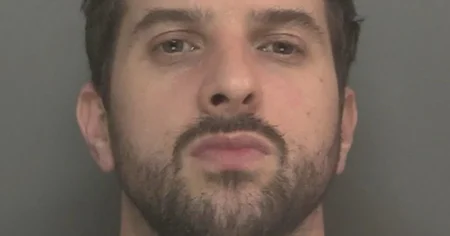


In the cold, solemn atmosphere of Preston Crown Court, a verdict finally arrived, but it did little to ease the grief that has consumed a family. Nathan Owens, a 34-year-old stepfather, was found guilty of the murder of his 19-year-old stepdaughter, Carla Georgescu. As the jury foreperson read out the decision after only three hours of deliberation, Owens smirked. That smirk was a chilling gesture, one that seemed to betray the callousness he had shown throughout the trial. Carla’s body had been discovered in her room at the University of Lancashire campus in Preston, on what should have been her twentieth birthday. She had been strangled to death during what prosecutors described as a violent sexual assault, and her life was taken just days before she was due to fly to Romania, a country where she hoped to continue her studies and meet her boyfriend for the first time. The person responsible for this devastation was not a stranger lurking in the shadows. He was her mother’s partner, a man who had been welcomed into the family, a man Carla should have been able to trust. Instead, Owens had driven roughly one hundred miles from Hartlepool in the dead of night, traveling to her student flat with a purpose that was both calculated and monstrous. The verdict was delivered swiftly, but for Carla’s loved ones, the pain is far from over. Tomorrow, Owens will be sentenced, but no punishment can restore what was taken.
The roots of this tragedy lie in an obsession that the prosecution described as wholly improper and dangerously entrenched. Owens had developed a deeply perverse sexual fixation on his stepdaughter, a fixation that he fed in private over an extended period. The court heard how he had taken hundreds of photographs of Carla in her underwear or pyjamas, images that violated her trust long before her death. He also doctored innocent pictures of her into indecent images, turning ordinary family memories into the fuel of his obsession. Perhaps the most disturbing piece of evidence was that Owens had filmed himself having sex with a life-sized effigy of the teenager, a grotesque doll that he kept in her bedroom. This was not a momentary lapse in judgment; it was a pattern of behavior, a hidden world in which Carla was not a beloved stepdaughter but an object of sexual fantasy. Prosecutor Nicholas Lumley KC argued that this obsession ultimately drove Owens to kill. The young woman he was supposed to protect had become a target, and as the months passed, his desires became more dangerous. The trial exposed the extent of his deception, painting a portrait of a man who could outwardly appear normal while quietly constructing a terrifying secret life. It is almost impossible to comprehend the psychological dissonance required to live like that: smiling at family dinners, existing as a partner and stepfather, all while harboring a depraved fixation on a child he was meant to guide and safeguard. That secret life could no longer be contained, and it spilled over into violence with catastrophic consequences.
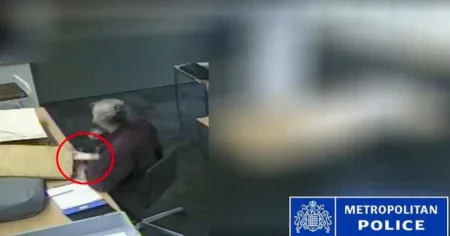
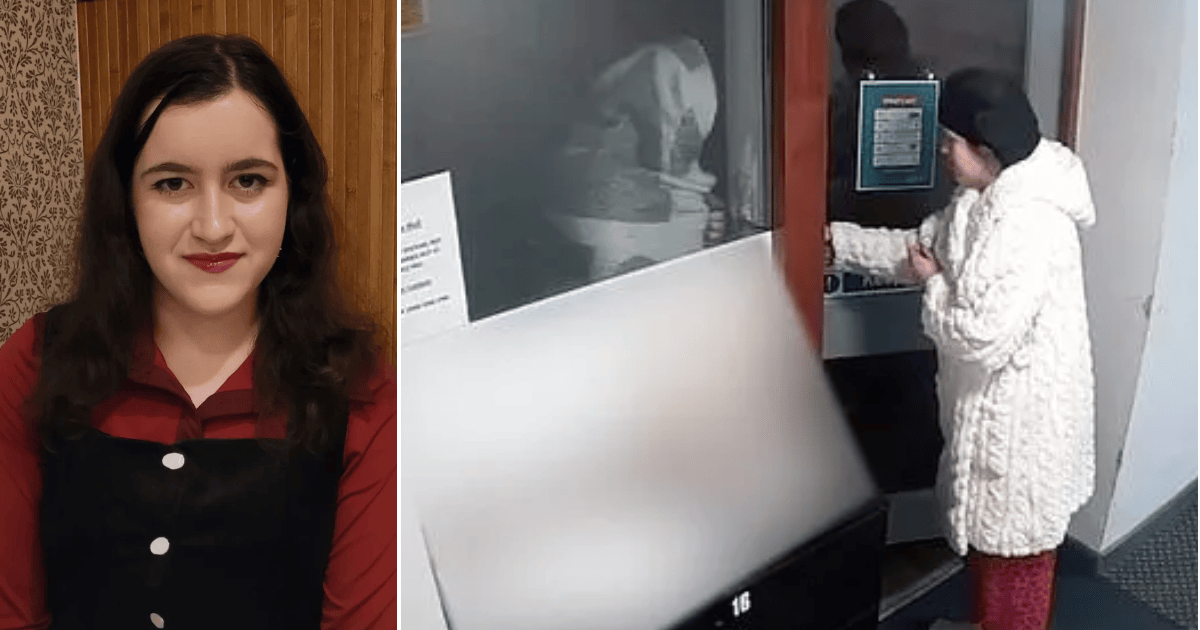
The night of the murder was carefully orchestrated, but it was also a final, desperate act. Just days earlier, Carla’s mother had visited her daughter in Preston. The two had gone shopping and shared dinner together, spending precious time before Owens joined them for a birthday meal on February 1. That evening, Carla said what would become her final goodbye to her mother at around 9pm. It was a casual farewell, the kind exchanged between a mother and daughter who expect to see each other again soon. But less than seventy-two hours later, while Carla’s mother lay asleep, Owens set off on his secret journey back to the student flat. CCTV captured his arrival, and it was clear he was trying to avoid detection. He didn’t park in his usual spot at the halls of residence; instead, he chose a side street, obscuring his presence. Another camera showed Carla coming downstairs to open the door for him, and Owens was hiding his appearance underneath a blanket. That haunting image was the last time Carla was seen alive. Once inside, he launched his attack, strangling her to death during a violent assault that left no doubt about his intentions. After the killing, Owens tried to control the narrative. He staged the scene to make Carla’s death look like suicide, a final act of cruelty against her memory. When officers arrived hours later, they initially believed the staging, perhaps because the truth was too horrifying to imagine. But a closer look revealed injuries that could not have been self-inflicted, and the deception began to unravel.
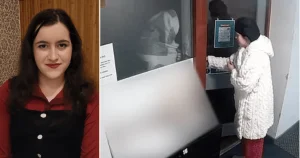
It is important, amid the horror, to remember who Carla Georgescu was as a person, not simply as a victim. In a moving tribute issued by Lancashire Police, she was described as intelligent, gentle, and articulate. She was studying clinical psychology at undergraduate level, a choice that reflected her desire to understand the human mind and help people heal. Her plans included post-graduate studies in Romania, a future filled with academic promise and personal dreams. She had friends who loved her and a boyfriend she was eager to meet for the first time. In fact, she was meant to travel to Romania the day after her body was found, boarding a flight with a friend for what should have been an exciting new chapter in her life. Owens took all of that away. Her mother had spent the weekend before her death with her daughter, shopping and enjoying a birthday meal together. There was no indication that this would be their final time together. Carla hugged her mother goodbye and went about her evening, unaware that her stepfather was about to shatter everything. The grief her mother now carries is layered with disbelief, shock, and rage. How could someone so close to them, someone they had welcomed into their family, destroy it in such a brutal way? Carla had the rest of her life ahead of her. She was not merely a story for the news; she was a daughter with a bright future, a friend with a warm spirit, and a young woman who deserved far better than the fate she met in her student accommodation.
The trial itself was an agonizing experience for everyone who loved Carla. Owens continued to deny the murder, but he offered no credible explanation for the overwhelming evidence stacked against him. After years of investigating, searching his digital devices, and piecing together the truth, the police presented a case that left little room for doubt. Throughout the prosecutor’s closing speech, Owens smirked, showing no remorse and no empathy for the family he had destroyed. Detective Inspector Pete Macdonald, speaking after the verdict, said that Carla was a young woman with her whole life ahead of her, a life taken away by someone she should have been able to trust. He described Owens’ obsession as despicable and perverted, and he expressed hope that Carla’s mum and her loved ones could feel some sense of justice. The prosecutor, Nicholas Lumley KC, told the jury that Owens had made the long drive that night because he knew it was the last chance to catch her before she flew to Romania the next day. Owens was determined, Lumley said, to satisfy his sexual needs, come what may. That phrase sums up the chilling reality of the case: Carla was viewed by her stepfather not as a human being, but as an object he was determined to possess. He refused to testify in his own defense, forcing his wife to listen to weeks of harrowing evidence about how her daughter died without ever having to face cross-examination. In the end, the jury saw through him, convicting him after just three hours of deliberation.
Now, as Owens prepares to be sentenced, the family is left to navigate a life forever altered by betrayal. This case is a stark reminder that some of the gravest dangers come from those who are supposed to love and protect us. Owens did not fit the image of a monster; he was a husband, a stepfather, a familiar presence in Carla’s life. But beneath that facade festered a twisted obsession that ultimately consumed him. The justice system has done its work, and Owens will face the consequences of his crimes. Yet no verdict can bring Carla back, and no sentence can erase the memory of what happened inside that student flat in Preston. Her mother and her loved ones will carry this loss for the rest of their lives. They will miss her voice, her laughter, her presence at holidays and family gatherings. They will never see her graduate, never see her fall in love and build a future, never watch her grow into the woman she was meant to become. The photos that Owens obsessively collected cannot define her; the image that will endure is that of a promising young woman with a gentle spirit and a bright mind. Perhaps the only comfort, small as it is, is that the truth has been told and justice has been served. Carla’s name will forever be associated with a terrible crime, but it should also be remembered as the name of a girl who dreamed of studying psychology, who loved her family, and who deserved a life filled with joy and possibility. Her story is a tragedy, but it is also a reminder to cherish the people we hold close, because trust can be broken in the most unimaginable ways, and love is not always enough to protect those we treasure.