


For anyone who has navigated the chaotic hum of a major London railway hub, the quest for a restroom often feels less like a basic necessity and more like a gamble. We’ve all been there: clutching a suitcase, dodging crowds, and hoping against hope that the facilities awaiting us aren’t the stuff of nightmares. A recent, comprehensive study of thousands of TripAdvisor reviews has finally put data behind our collective grumbles, shining a harsh light on which stations are failing their passengers. The results confirm what many commuters have long suspected—the state of station toilets is, quite frankly, a mess, with London’s infrastructure often falling woefully short of basic hygiene standards.
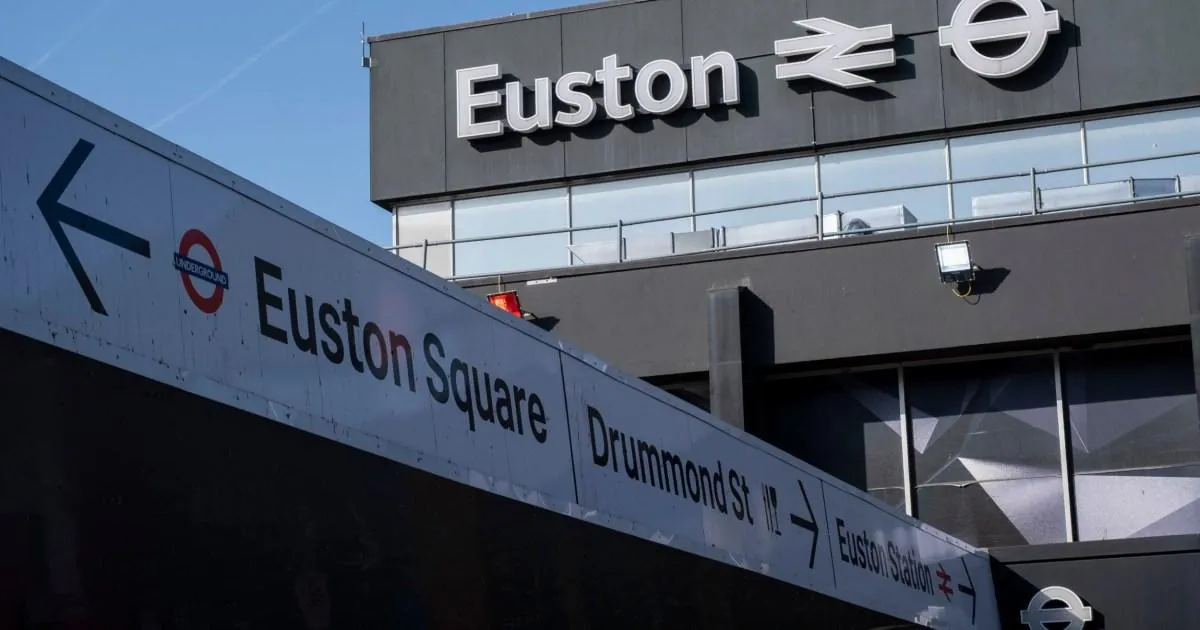
Taking the dubious crown for the worst facilities in the capital is London Euston. The data is damning, with a staggering 63% of reviews skewing negative. Travelers haven’t held back in their descriptions, citing everything from pervasive, unpleasant odors to general filth and a complete lack of maintenance. One particularly frustrated commuter went as far as labeling the men’s facilities a “disgrace.” Euston landed eighth on the list of worst stations across Europe, serving as a stark reminder that even one of the UK’s busiest transport arteries can be let down by the state of its most essential amenities.
The struggle isn’t confined to Euston, however. Other major London landmarks are suffering from similar reputations. Both Waterloo and Liverpool Street stations recorded a 52% negative rating, proving that the issue is widespread across the city’s network. At Paddington, the feedback was visceral, with visitors lamenting “really gross” conditions, specifically highlighting sticky floors and unhygienic toilet seats. Even the polished St Pancras International, home to the Eurostar, didn’t escape the wave of criticism. It is clear that for many London passengers, the journey doesn’t just start with platform anxiety; it starts with the fear of what they might find behind the door of a station restroom.
Yet, not all stations are failing the grade. In a surprising turn of events, Victoria Station has emerged as the hero of the commute. With only 23% of reviews falling into the negative category, it stands as the shining example of what a station can achieve. Passengers have repeatedly described the facilities there as “spotless,” noting that a consistent, active cleaning schedule makes all the difference. This success proves that it isn’t an impossible task to maintain clean, welcoming spaces, even in high-traffic environments; it simply requires a commitment to the basic upkeep that passengers deserve.
The research also highlights a significant point of contention for travelers: the dreaded pay-to-use barrier. Roughly 65% of all negative reviews explicitly mentioned the frustration of being charged to use the toilet after having already paid for a rail ticket. It feels like an insult to injury for a passenger to be met with a toll gate for a facility that is already in poor condition. Interestingly, Victoria Station’s decision to scrap its payment system likely played a major role in its improved public perception. When stations stop nickel-and-diming passengers for basic human needs, the overall sentiment regarding the station’s management improves drastically.
Ultimately, while London’s stations might be performing better than those in cities like Milan or Glasgow, the bar remains depressingly low. Libby Mayfield of the research firm Dark Horse hit the nail on the head: millions of people are heading out on rail journeys this summer hoping for a bit of excitement, only to be met with the reality of poor maintenance and unpleasant facilities. It serves as a blunt reminder to transport authorities that while cleaning toilets may not be the most glamorous task, ignoring it is a reputational disaster. If London wants to keep its commuters happy, it needs to treat its facilities with as much care as its train schedules—because nothing ruins a trip faster than the dread of the next stop’s restroom.