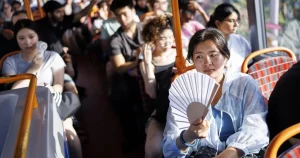

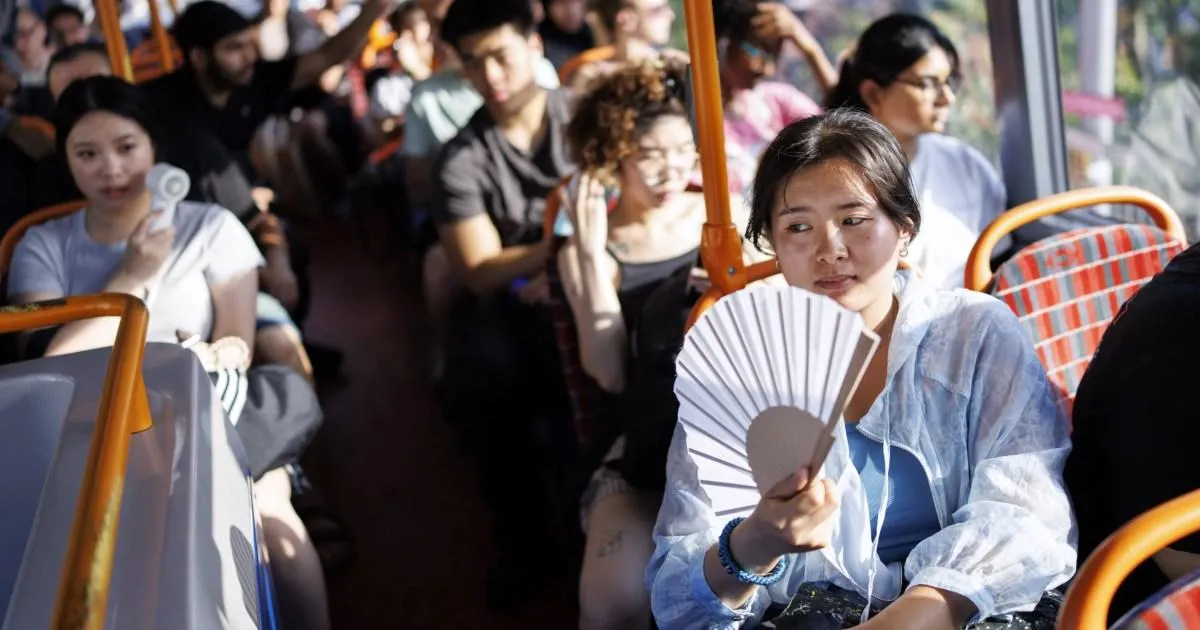
The sweltering summer heat in London has pushed more than just the mercury to record-breaking highs; it has ignited a fierce confrontation between Arriva bus drivers and their management. With temperatures inside bus cabs climbing toward an exhausting 40°C, over 1,500 drivers represented by the Unite union have voted to walk off the job across August, September, and October. This upcoming strike action, which centers on the “unbearable” and potentially hazardous working conditions, threatens to cause significant travel chaos across North London and Essex. For the thousands of commuters who rely on these routes, the next few months promise a difficult transition as the dispute over safety and workplace standards comes to a head.
At the heart of the conflict is a technical yet vital issue regarding cooling systems. While most London buses are equipped with air-cooling technology, the union argues these systems are woefully inadequate for extreme heatwaves, providing only a nominal reduction in temperature. Drivers have reported suffering from dehydration, fatigue, and even heatstroke, raising serious concerns about public safety. The union’s frustration is palpable, with General Secretary Sharon Graham condemning the company for prioritizing profits over the basic wellbeing of its workforce. They argue that Arriva has been unresponsive to repeated complaints, leaving drivers with no choice but to take industrial action to demand a safer environment.
The timing of these walkouts adds an extra layer of difficulty for Londoners, as several strike dates overlap with scheduled closures on the Piccadilly line. While the specific bus routes affected are still being finalized, the garages involved include Barking, Edmonton, Enfield, Grays, Palmers Green, Stamford Hill, Tottenham, and Wood Green. Transport for London (TfL) has acknowledged that while the majority of the network will remain operational, passengers should anticipate increased congestion and potential delays. The authority has expressed regret over the disruption, urging both the union and Arriva to return to the negotiating table to hammer out a resolution that keeps the city moving.
In response to the union’s claims, Arriva maintains that it is deeply committed to the welfare of its employees. Managing Director Wasim Mohammed stated that the company is actively working with TfL to implement both immediate relief measures and long-term infrastructure upgrades, such as cabin air-conditioning retrofits and the introduction of newer, better-equipped buses. Despite this, the gap between the company’s assurances and the union’s demands remains wide. Arriva has publicly expressed its readiness to engage in further talks to avoid the strikes, emphasizing that they are fully aware of the human impact the extreme weather has had on their staff.
Mayor Sadiq Khan has also weighed in on the situation, attempting to bridge the divide by affirming the right of drivers to refuse to work in unsafe conditions. He has made it clear that if a bus cabin is too hot, drivers have the backing of TfL to stop driving, prioritizing health over strict scheduling. This public stance highlights the severity of the situation; when the working environment becomes a threat to physical health, the traditional expectations of service delivery are forced to take a backseat. For the average passenger, this creates a confusing landscape where the safety of the person behind the wheel is now directly tied to their own ability to reach their destination.
Ultimately, this dispute serves as a stark reminder of how climate change is reshaping the realities of urban labor. As heatwaves become a more frequent feature of the British summer, the infrastructure designed for milder climates is struggling to keep pace, putting frontline workers in a dangerous position. Whether or not a resolution is found before the first wave of strikes on August 14, the situation underscores the need for a modernization of transit technology that protects both the driver and the commuter. Until then, Londoners are advised to plan their journeys with extreme caution and keep a close eye on service updates as this tug-of-war continues to play out in the garages and streets of the capital.