
Paragraph One: The Iron Will That Built a Legend Now Faces Its Quietest Frontier
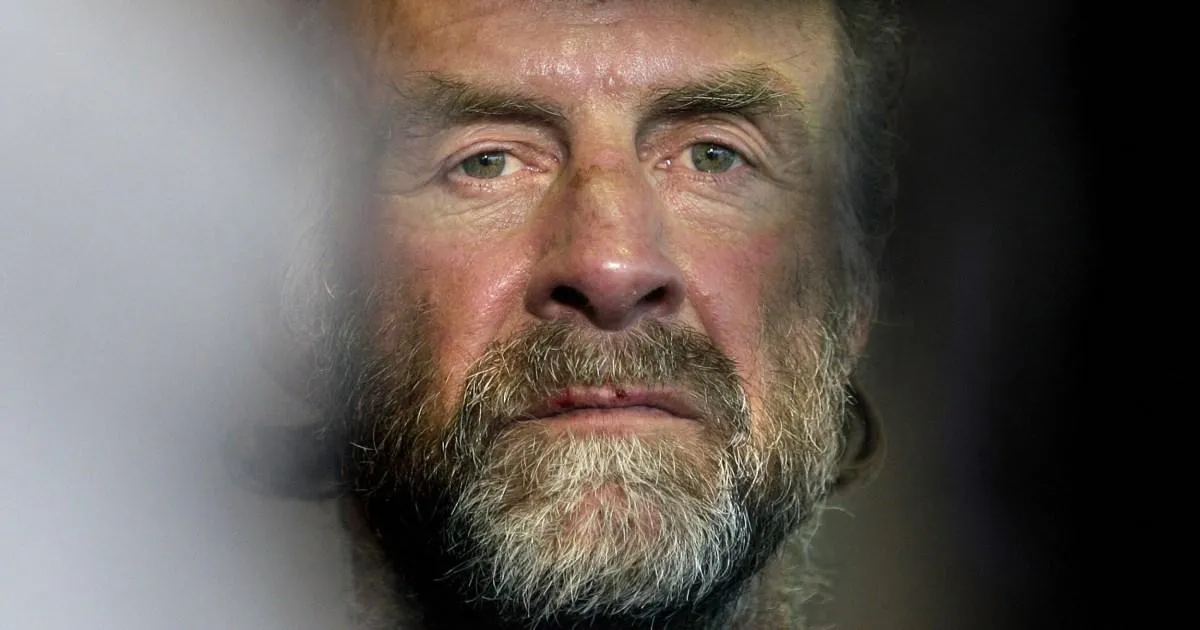
There is something deeply unsettling about the image of Sir Ranulph Fiennes, the man who has spent a lifetime walking where no human should be able to survive, now unable to walk out of a care home under his own name. At 82 years old, the man often called the world’s greatest living explorer has not been seen in public for two years. For decades, Fiennes was a symbol of human endurance: the first person to reach both the North and South Poles by surface travel, the first to cross Antarctica on foot, and a man who lost the tips of his fingers to frostbite rather than abandon an expedition. He climbed Everest, searched for the lost city of Ubar, and dragged sledges across some of the most hostile terrain on Earth. But the latest chapter of his life is not a story of heroic survival; it is a quieter, more troubling tale of a celebrated man being hidden away, according to a new finding from the Office of the Public Guardian. The watchdog has concluded that Sir Ranulph was unlawfully deprived of his liberty when he was placed in a series of care homes by his wife, Louise Millington-Cotes. The word “unlawful” cuts sharply through the family’s carefully maintained privacy, suggesting that the arrangements made for one of Britain’s most admired public figures were not simply protective but potentially a violation of his fundamental rights.
Paragraph Two: A Care Home Owner’s Concern and the Missing Legal Safeguard
The alarming discovery did not come from heroic investigative journalism or a family member with a grudge, but from a care home owner in Wales who became genuinely worried about what was happening under her roof. According to The Daily Telegraph, the owner wrote to the Office of the Public Guardian to raise concerns about the medical arrangements made by Millington-Cotes, including a “do not resuscitate” document that raised eyebrows. But the most serious issue was procedural: there was no deprivation of liberty safeguards (DoLS) order in place. DoLS, which are part of the Mental Health Capacity Act 2005, exist precisely to protect people who lack the mental capacity to consent to their own care and accommodation. They require two independent professionals to review the situation, and they ensure that a person in care has a nominated representative to look after their interests. In a January email to the Care Inspectorate of Wales, the care home owner spelled out the reality in stark terms: Sir Ranulph was under continuous supervision and control, was not free to leave, and was not able to consent to his care, treatment, or accommodation. She wrote that he was being deprived of his liberty unlawfully because no authorised deprivation order was in place. Her words read like a warning from someone who understood that even the most famous explorer in the world can become invisible when the right paperwork is not in order.
Paragraph Three: Secrecy, Disguise, and a False Identity
What makes the situation even more deeply unsettling is the level of secrecy surrounding Sir Ranulph’s daily life. According to reports, his wife insisted that he be registered in care homes under a false name. Staff were told that he was an ex-SAS man whose life might be in danger from extremists, and that people at a previous care home had tried to kill him. To prevent recognition, he was made to wear a hat, sunglasses, and gloves whenever he went outside, a disguise designed to hide not only his face but also his famously frostbitten fingers, the very marks that told the world who he was. Visitors reportedly had to sign non-disclosure agreements before being allowed to see him at a care home in London last year. He was then moved to facilities in Wales and Cheshire, and only Sir Ranulph’s wife and their 20-year-old daughter, Elizabeth, are thought to know his exact current location. For a man who spent his life navigating by the stars and mapping uncharted territories, being moved around in secret under another name is a cruel inversion of everything he represents. It is as if the explorer’s identity itself has been lost somewhere between the paperwork, the locked doors, and the careful stories told to carers who did not know they were looking after a national hero.
Paragraph Four: A Life of Love, Loss, and an Unusual Marriage
To understand the full weight of this story, it helps to remember the personal history behind it. Sir Ranulph married Louise Millington-Cotes after the death of his first wife, Virginia “Ginny” Fiennes, who lost her battle with cancer in 2004. Ginny had been his partner not just in life but in adventure; she managed his expeditions, supported his ambitions, and was by his side through some of his most dangerous journeys. Her death was a devastating blow, and Sir Ranulph has spoken openly over the years about how much he missed her. His second marriage to Louise, a former model, brought a new chapter of companionship, and the couple had a daughter, Elizabeth, who is now 20 years old. For a time, they appeared together at public events, including after his failed attempt to climb Everest, with Lady Louise by his side. But in recent years, that public presence has vanished. Friends of Sir Ranulph have become increasingly concerned, and reports suggest that some are now considering legal action to challenge Louise’s guardianship over him. They worry that his isolation is not a matter of his own choosing, but a carefully constructed arrangement that has left one of the most independent men alive with no voice in his own life. The idea that an explorer who once survived alone in the frozen wilderness now cannot even see old friends without permission is heartbreaking.
Paragraph Five: The Silent Regulator and the Legal Fight Ahead
The Care Inspectorate Wales, the independent regulator responsible for ensuring the safety and wellbeing of people in social care, has responded to the situation with a carefully worded statement that commits to promoting the safety, wellbeing, and rights of people across Wales but refuses to comment on an individual’s personal circumstances. That silence is understandable in legal terms, but it also leaves a void where answers should be. Friends of Sir Ranulph are reportedly weighing up legal action to challenge the guardianship arrangements, a move that would bring the matter into the open after two years of whispers and secrecy. The central question is whether Louise Millington-Cotes acted in good faith to protect a vulnerable elderly husband, or whether she overstepped the line into unlawful control. The care home owner who raised the alarm clearly felt that something was wrong enough to contact the authorities, and her email has now become a crucial piece of evidence in what may become a bitter legal dispute. At the heart of the matter is a simple but profound issue: even a man who has conquered the world’s most forbidding places deserves the legal protections afforded to any person who cannot speak for themselves.
Paragraph Six: A Quiet End to an Extraordinary Story, or the Beginning of Justice?
As the world waits for Louise Millington-Cotes to respond, the image of Sir Ranulph Fiennes remains suspended somewhere between legend and vulnerability. He is a man whose name once inspired awe, whose expeditions were followed by millions, and whose grit and determination made him a symbol of British courage. Now, he is reportedly hidden away, his appearance altered by disguises, his location unknown, his care arrangements under official scrutiny. The finding of unlawful deprivation of liberty is not a criminal conviction, but it is a powerful acknowledgment that something went deeply wrong in the way his affairs have been managed. Whether this will lead to legal action, a change in guardianship, or simply a greater awareness of his situation remains to be seen. But one thing is certain: the man who survived blizzards, crevasses, and the loss of his fingertips deserves better than to disappear from the world in a fog of secrecy. His story has always been about pushing through impossible obstacles, and perhaps the greatest obstacle now is not a frozen wasteland, but the quiet, complicated web of care, control, and love that has kept him out of sight. For the explorer who spent his life leaving footprints in the most remote places on Earth, the hope is that someone will now fight just as hard to ensure that his final days are marked by dignity, transparency, and the simple freedom to be seen for who he is.