


The emergence of London-based LuaLua TV as a potential flashpoint for national security concerns underscores the complex challenge of regulating digital media outlets that operate within the orbit of hostile foreign entities. Originally founded in 2011 as a voice for political opposition in Bahrain, the station has shifted significantly over the years, appearing to fall under the firm influence of the Iranian regime. Today, it operates primarily through online platforms and social media, where it actively disseminates pro-Iran propaganda and frequently celebrates the actions of groups designated as terrorist organizations by the UK, including Hamas and Hezbollah.
The core of the controversy lies in LuaLua TV’s explicit membership in the Islamic Radios and Television Union (IRTVU). In 2020, the United States sanctioned the IRTVU, formally declaring it to be an “arm of propaganda” owned or controlled by the Iranian Revolutionary Guard Corps (IRGC) Quds Force. Because the UK has recently updated its National Security Act—a legislative move designed to criminalize any form of support for the IRGC—critics and political figures argue that LuaLua’s continued association with this union constitutes a clear violation of the law. By maintaining this formal link, the station is accused of participating in a reciprocal relationship that provides material and ideological benefits to a proscribed entity.
Prominent voices in British politics, including former extremism tsar Lord Walney and Shadow National Security Minister Alicia Kearns, have been vocal in their insistence that the station be thoroughly investigated. The argument is that the director of LuaLua TV can no longer plead ignorance or deniability regarding the nature of the IRTVU. Under the new legal framework, it is a criminal offense to provide services, financial support, or information to a designated group, or to receive material benefits from them. Given the gravity of these accusations, a formal report has been submitted to Counter-Terror Police, urging authorities to determine whether the station’s operational ties constitute a bridge for foreign interference.
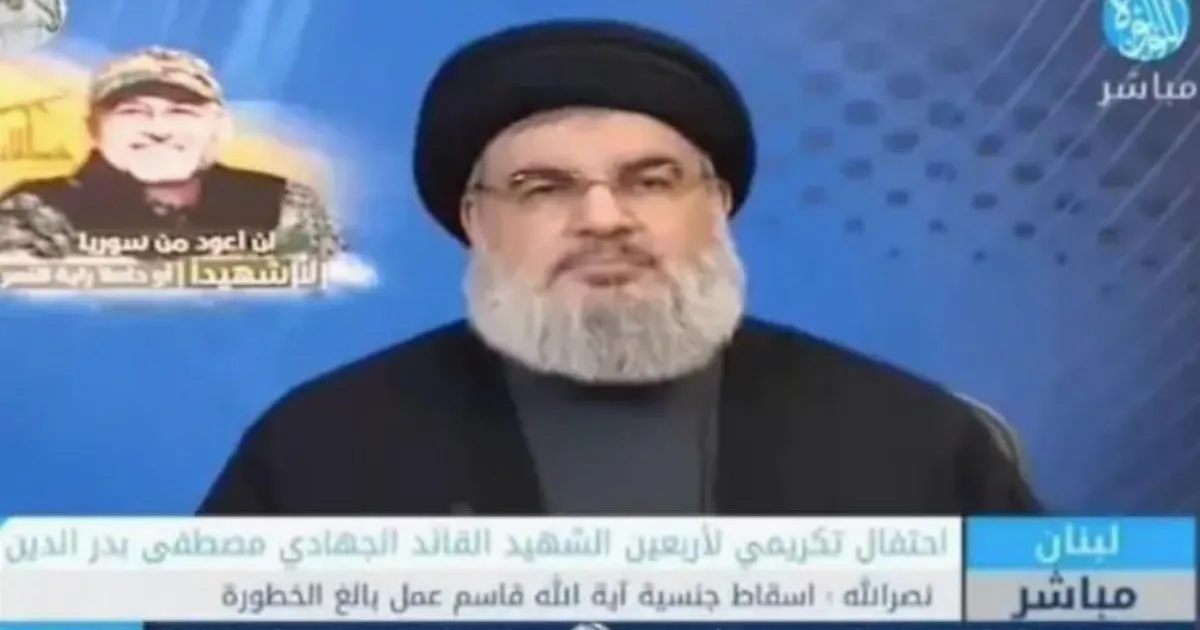
The station’s content has only fueled these concerns, as it has been documented praising individuals like the late Hamas leader Yahya Sinwar and former Hezbollah commander Hassan Nasrallah as “martyrs.” While the station technically holds an Ofcom license, its shift to purely online streaming places it in a regulatory grey area where it is not subject to the standard Broadcasting Code. Ofcom has signaled that it continues to monitor the “fit and proper” status of its licensees, suggesting that any findings from criminal investigations could have significant consequences for the outlet’s ability to remain registered.
The IRTVU, for its part, maintains a stance of legal detachment, claiming that its members retain full independence and that it is not responsible for the specific editorial positions of its affiliates. Secretary General Nasse Akhdar dismissed the concerns as being rooted in “unilateral positions” held by foreign powers rather than verified facts, insisting that the union operates within its own legal framework. However, this defense has done little to satisfy UK officials, who point to the IRGC’s documented involvement in hostile activities—including alleged plots against Jewish and Israeli communities within the UK—as proof that the threat posed by such networks is both real and immediate.
Ultimately, this case serves as a high-stakes test for Britain’s updated national security legislation. As the government continues to crack down on foreign-backed groups that threaten the UK’s internal stability, the scrutiny placed on LuaLua TV highlights the difficulty of policing the digital information space. Whether through the lens of counter-terrorism, the Online Safety Act, or the new National Security Act, the authorities are now under immense pressure to establish whether this London-based outlet is a legitimate media entity or an active component of a foreign regime’s apparatus. For now, the situation remains a critical focus for those tasked with shielding the public from extremist influence and foreign subversion.