

The Return of a Hidden Threat: Doxxing, Fear, and the Fight for Freedom
In the shadowy corners of the internet, a familiar and chilling threat has resurfaced, sending waves of anxiety through communities that thought they had found safety. British-based Iranian activists, who had enjoyed a brief period of respite, are once again being targeted by a coordinated online campaign that seeks to expose their most intimate personal details to the world. This isn’t just about harassment; it’s a calculated effort to create a climate of fear, and many believe it has the fingerprints of the Iranian regime all over it. The digital landscape, once a haven for free expression, is becoming a dangerous minefield for those who dare to speak out against the government in Tehran. The re-emergence of these activities serves as a stark reminder that for some, the fight for freedom extends far beyond the borders of their homeland, following them into the very countries that have offered them sanctuary. It’s a chilling realization that the long arm of authoritarianism can reach across continents, turning the promise of a new life into a continuation of the old struggle.
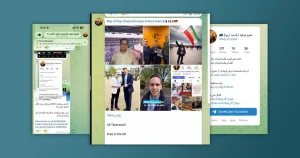
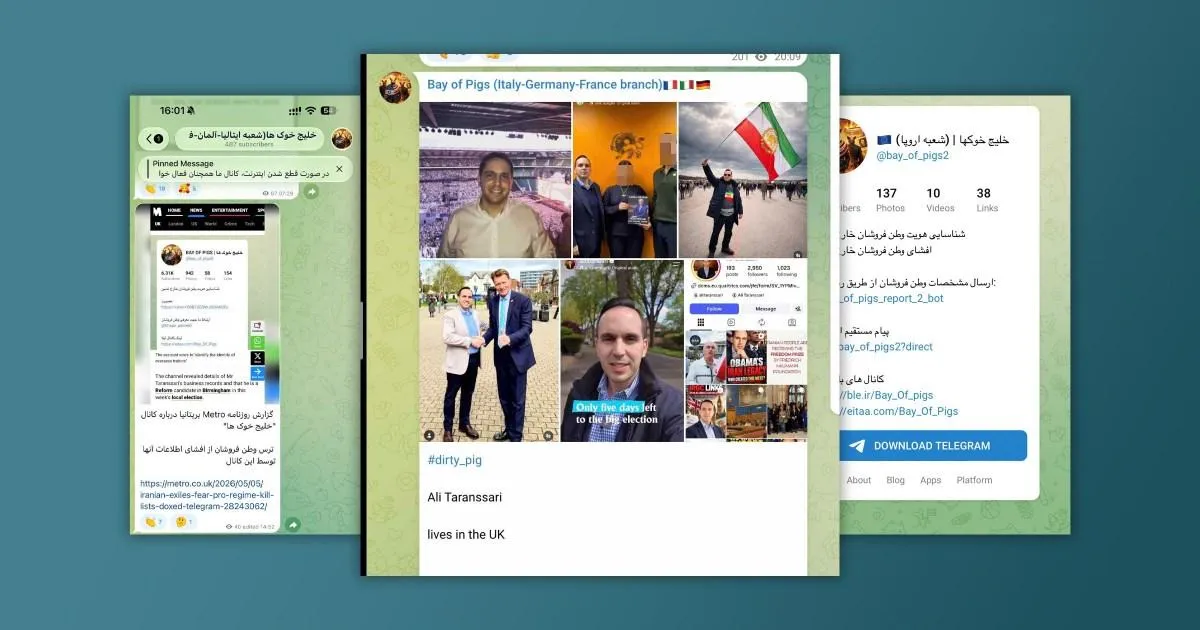
At the heart of this campaign is a network of Telegram channels known collectively as ‘Bay of Pigs’. These channels have been actively publishing the personal phone numbers, home addresses, and dates of birth of British-Iranian activists, branding them as ‘overseas traitors’. For activist Ali Taranssari, this has become a terrifying reality. After being doxxed initially in April, he recently discovered that his personal phone number—a number he has kept for 20 years, reserved for close friends and family—along with his date of birth, had been posted online. The only official entity he could think of that had access to this information was the Iranian embassy in London. Since the post, he has been inundated with messages ‘wishing death’ upon him. The impact is visceral; it transforms a digital threat into a tangible, ever-present danger that invades the most private corners of a person’s life. It’s one thing to face opposition in a public debate, but quite another to have your private sanctuary, your phone, your birthday, become weapons used against you by unseen adversaries who seem to have access to everything.
Yet, despite the chilling nature of the threats, Taranssari remains defiant. He describes the ‘Bay of Pigs’ network as a “kill list,” a tool to target and intimidate those who oppose the regime. He refuses to be cowed. “This is a fight between the ordinary Iranian people and a regime that you know is openly killing people,” he stated, his voice carrying the weight of a community’s collective trauma. “These things are not going to slow us down or intimidate us anymore.” His resolve is a testament to the resilience of those who have fled persecution, yet his story also highlights the profound psychological toll such tactics are designed to inflict. It’s a battle for the mind, where the simple act of checking a phone can trigger a wave of anxiety and fear. The constant vigilance required to navigate a world where your personal information is weaponized is exhausting, and it’s precisely that exhaustion that the perpetrators hope will lead to silence. But for Taranssari and others like him, the alternative—backing down—is simply not an option. They have already sacrificed too much to let fear dictate their lives.
The reach of this doxxing campaign extends far beyond the UK, casting a wide net over activists across Europe. The Telegram admins have exposed not only personal addresses and movements but also the universities and workplaces of their targets, aiming to disrupt their lives and isolate them from their support networks. One expat living in Europe, whose own details were exposed, captured the sheer injustice of the situation: “My family fled Iran to escape precisely this kind of persecution. The idea that I should now be intimidated into silence on British soil is extraordinary. We didn’t escape repression only to allow it to follow us into the very democracy that gave us refuge.” This sentiment echoes the experience of many refugees who find that the long arm of an authoritarian regime is not deterred by national borders, creating a sense of helplessness and anger. The diaspora communities that were meant to be safe havens are now being infiltrated by a digital campaign of terror, forcing individuals to look over their shoulders in their new homes. The psychological impact of knowing that your every move might be watched, your workplace and university known to those who wish you harm, is profound and corrosive.
What makes this resurgence particularly alarming is the apparent evolution in the operation’s methods. Security experts monitoring the ‘Bay of Pigs’ network have noted a shift in strategy. The main channel, which had gone quiet after being exposed by the press, has now been replaced by smaller, region-specific accounts. This decentralized approach is a calculated move to improve “digital resilience,” making it harder for authorities to shut down the entire operation. These new channels are often private, requiring a request to join, and they can cross-post content, creating a web of interconnected hubs for harassment. Roger Macmillan, a UK counter-terrorism specialist, suggests that while it’s impossible to say definitively who is behind the accounts, it is “highly likely they are taking direction and guidance from Iran.” The level of detail in the doxxed information, he notes, suggests the work of “very skilled” hackers who are exploiting the common practice of people reusing passwords across multiple websites. This is not amateur hour; the sophistication implies resources and expertise that go beyond simple online snooping. It suggests a coordinated, well-funded operation, which points to state involvement or at least state sponsorship.
This new incarnation of the ‘Bay of Pigs’ is not just a passive repository of leaked information; it’s a call to action. The channels actively solicit information from their followers, asking them to submit personal details about other ‘traitors’ they know. This transforms the operation into a collaborative, crowdsourced effort of intimidation, turning ordinary citizens into potential informants for a cause they may or may not support. The goal, experts say, is to instill fear and paranoia within the activist community. “It puts the fear levels up,” said Macmillan. “Activists become scared. They become nervous. They’re not quite sure who’s a friend and who isn’t.” This psychological warfare is a hallmark of transnational digital repression, a sophisticated tool that authoritarian regimes use to project power across the globe and silence dissent without necessarily resorting to physical violence. It creates a chilling effect, making activists question their own digital security and their safety in their own communities. Jonathan Hackett, a former American intelligence operator and expert in Iran’s covert operations, confirms this is a long-standing regime tactic, viewing dissidents abroad as primary targets for harassment and coercion. The playbook is well-established and consistently deployed.
The British government has been forced to respond to this escalating threat. After the Iranian embassy in London was previously found to be encouraging expats to become ‘martyrs’, the Iranian Ambassador was summoned to the Foreign Office in April over the “unacceptable and inflammatory” social media activity. A Counter Terrorism Policing spokesperson has stated that all allegations are passed to officers for assessment. The Home Office has also issued a strong statement, asserting that it takes the threat from Iran “incredibly seriously” and has implemented a comprehensive set of measures, including sanctioning the IRGC in its entirety. It boasts of equipping police with “more powers to disrupt and prosecute those supporting them or working on their behalf.” For its part, the Iranian Embassy in London has denied any involvement in the doxxing activities, dismissing the allegations as “baseless” and insisting it operates in accordance with the Vienna Convention on Diplomatic Relations. Despite these official statements and assurances, the fear and uncertainty remain palpable, a constant undercurrent in the daily lives of those directly affected.
The ‘Bay of Pigs’ network, aware of the media attention, even posted Metro’s article about them on their own channel, a brazen act of defiance. This is a war of nerves, fought in the open squares of public opinion and the encrypted corridors of messaging apps. For the activists on the ground, this is not a theoretical debate about cybersecurity; it is a daily struggle for safety and sanity. The doxxing campaigns are a stark illustration of the new front lines of geopolitical conflict, where a few keystrokes can unleash a torrent of hate, fear, and legitimate concern for one’s life. The international community, and in particular the UK, faces a critical test in defending the very values of democracy and freedom of speech that they claim to uphold, ensuring that the digital haven they offer to the persecuted is not turned into another tool of the oppressor. The battle is ongoing, and for every name added to the list, the resolve of the diaspora is tested, but not yet broken. They continue to speak, to organize, and to demand justice, hoping that their voices will eventually drown out the whispers of terror from the shadows.