



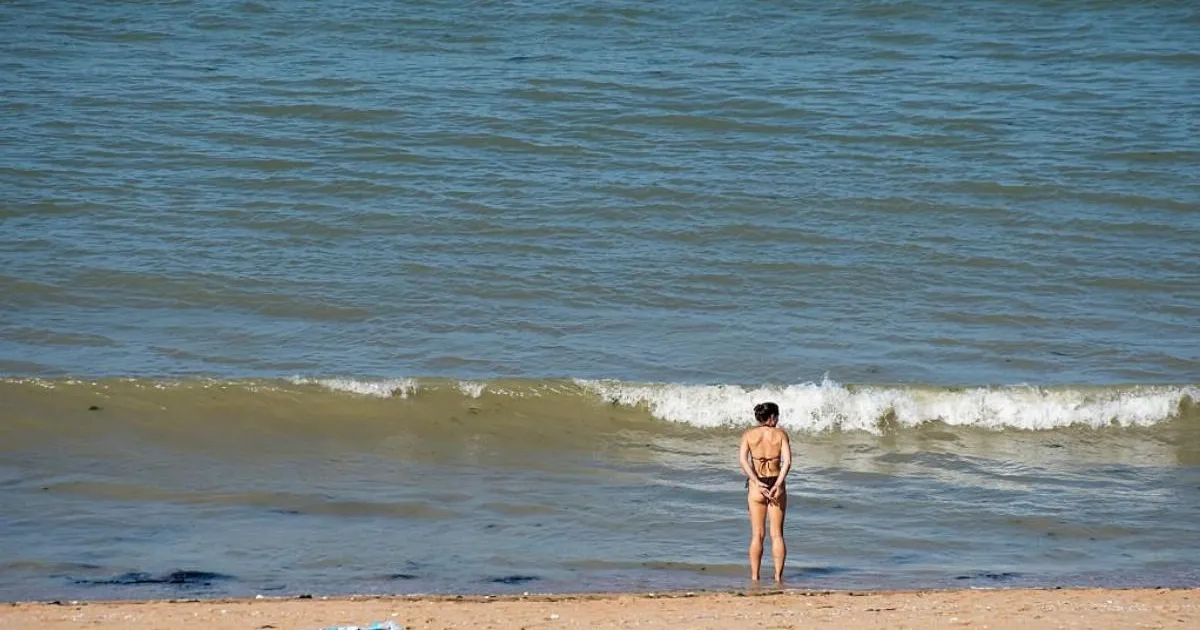
The dream of a refreshing seaside getaway in the UK is increasingly turning into a health nightmare for many families and sun-seekers. What should be a relaxing dip in the ocean is, for a growing number of people, resulting in debilitating bouts of gastroenteritis, painful ear infections, and, in some cases, even hospital visits. A recent wave of data from the marine conservation charity Surfers Against Sewage (SAS) has pulled back the curtain on this unsettling reality, revealing that hundreds of beachgoers have reported falling ill after swimming in waters that they assumed were safe. It is a distressing trend that highlights a fundamental betrayal of public trust, especially when even prestigious “Blue Flag” beaches—internationally recognized for their high safety and environmental standards—are appearing on the list of sites linked to sickness.
The scale of the problem is difficult to ignore, with the charity documenting a staggering 765 reports of illness across 406 different locations since the start of the year. The timing is particularly cruel, as more than 322 of these reports were filed since the beginning of May, coinciding with the recent heatwaves that sent people flocking to the coast for relief. Instead of returning home with sun-kissed memories, many families have found themselves forced to take unexpected time off work or, worse, tending to sick loved ones who have been struck down by waterborne pathogens. Popular tourist destinations are not immune, with locations like Bournemouth, Croyde Bay, and Polzeath recording double-digit numbers of sickness reports, proving that the risk is pervasive rather than isolated.
Behind the cold statistics and clinical terms like “gastroenteritis” lie real human stories of ruined holidays and interrupted lives. Jo Morley, the head of campaigns at Surfers Against Sewage, has expressed deep frustration at the situation, openly criticizing water companies for what she describes as a long-standing practice of pumping sewage into our open waters. For many, it feels like a systemic failure; there is a profound sense of outrage that citizens are being put in harm’s way while trying to enjoy natural spaces that belong to everyone. When someone chooses to swim at a beach rated as having “excellent” water quality, they should be able to do so with complete peace of mind, not the creeping fear that they might be exposing themselves to toxic contaminants.
The broader ecological picture provided by the Environment Agency serves to confirm these fears, painting a bleak portrait of the UK’s waterways. Their latest findings indicate that a mere 14% of England’s surface waters are in good ecological health, leaving the vast majority struggling under the weight of agricultural runoff, urban pollutants, and, most damagingly, frequent sewage spills. These aren’t just invisible numbers; they represent a degraded environment where chemicals, pesticides, and biological waste mingle with the tides. It is a complex crisis born from decades of neglect, and as the pollutants accumulate, the natural resilience of our rivers, lakes, and coasts is being pushed to the absolute limit.
In response to this mounting crisis, the Environment Agency has pointed toward the “Swimfo” website, urging the public to check real-time water status updates before stepping foot into the surf. While this digital tool is intended to provide transparency, it also serves as a stark reminder that the water itself is often no longer inherently safe. Relying on an app to see if a beach is “open” or “contaminated” feels like a band-aid on a much deeper wound. It shifts the burden of risk onto the individual swimmer, forcing families to gamble on their health every time they want to enjoy a simple day at the seaside, rather than addressing the root cause: the pollution that is being permitted to flow into our shared spaces.
As the summer season continues, the debate over how we manage our water systems is only likely to intensify. The public is increasingly vocal about their right to clean, safe natural environments, and the pressure is mounting for water companies and regulatory bodies to move beyond mere monitoring and toward actual remediation. We have reached a point where the “nasty surprises” lurking beneath the surface can no longer be ignored or swept under the rug. Whether this serves as a wake-up call to overhaul our aging infrastructure and prioritize environmental health remains to be seen, but one thing is clear: until the pollution stops, the dream of a guilt-free, safe swim in the UK’s coastal waters will remain, for many, a fading memory.