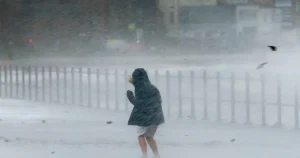

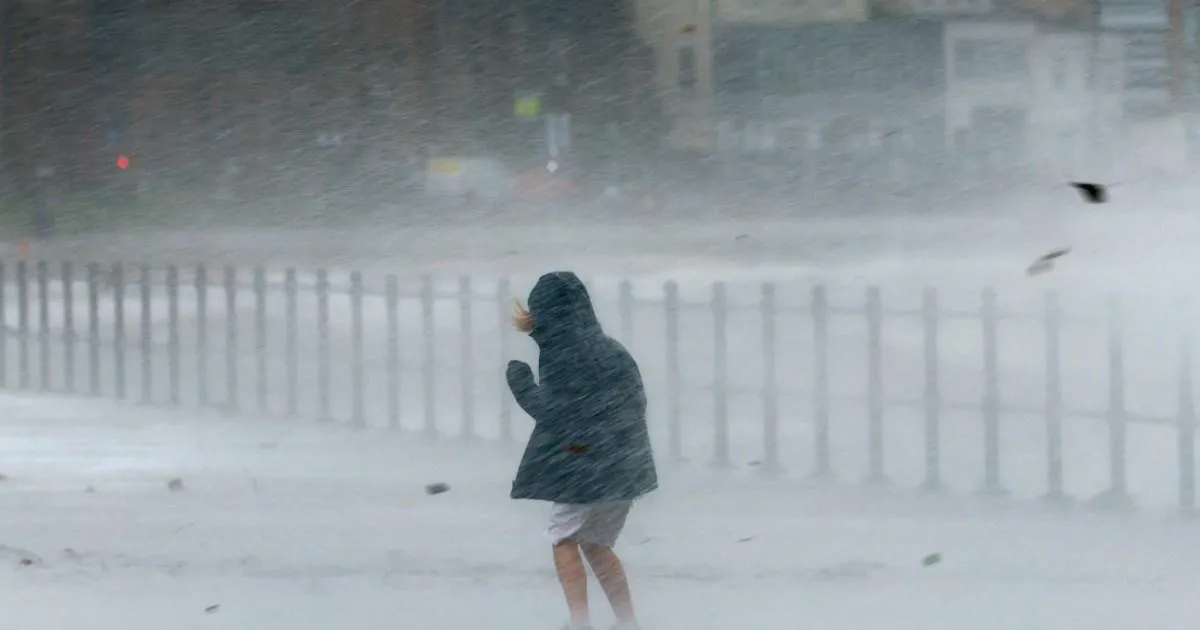
There is something profoundly humbling about standing in the path of a storm, and this weekend the United Kingdom has been doing exactly that. Two consecutive weather systems—Storm Boelo and Storm Austen—have battered the country with a ferocity that has left thousands of homes without power, closed roads, cancelled celebrations, and tested the resilience of communities from Scotland to London. Storm Boelo entered its second day on Saturday, bringing gusts of up to 80 miles per hour across parts of Scotland, while the Met Office continued to issue a series of severe weather warnings, urging people to stay indoors and avoid unnecessary travel. But before Boelo even arrived, Storm Austen had already set the tone on Friday, soaking much of the country and delivering wind speeds that reached a staggering 110 miles per hour. For many, the experience has been less about dramatic weather footage and more about the quiet, anxious hours spent listening to the wind howl outside, checking flickering lights, and wondering whether the roof would hold. It has been a weekend of cancelled plans, interrupted journeys, and emergency services pushed to their limits. And yet, as the winds begin to ease, the bigger picture is becoming increasingly unsettling: this may only be the beginning. Scientists are now warning that a so-called “super El Niño”—nicknamed a “Godzilla” El Niño by some experts—could bring even more weather chaos to the world, and the UK is far from immune to its reach.
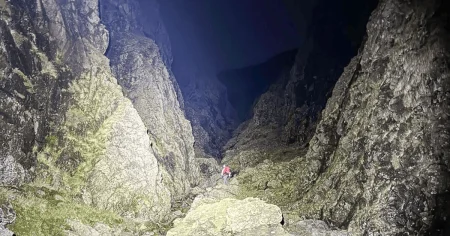
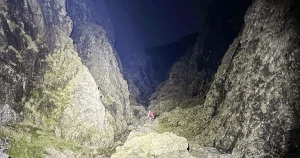
For thousands of households, the storm was not a spectacle but a disruption of daily life. Families woke up to fallen trees blocking driveways, broken fences scattered across gardens, and the sudden silence that comes when power lines go down. In rural areas, where power outages can mean more than just inconvenience, people scrambled to find torches, boiled water on camping stoves, and checked on elderly neighbours who might be vulnerable in the cold and dark. Travel networks bore the brunt of the weather, with rail services delayed or cancelled, flights disrupted, and roads made hazardous by debris and standing water. The human toll was visible in small, poignant ways: a London Diwali celebration, usually a bright and joyful occasion, was cancelled because of the dangerous conditions brought by Storm Boelo. Mountain rescue teams, meanwhile, battled through horrific storm conditions to search for a missing man, a sobering reminder that behind the weather statistics are real lives, real fears, and real acts of courage. The Met Office, for its part, has tried to keep the public informed with a steady stream of warnings, but no warning can fully prepare people for the sound of a gale roaring through a street at night. What made this weekend especially stressful was the sense of being caught between two systems, with barely enough time to recover from Storm Austen before Storm Boelo arrived on its heels. The cumulative effect has left many people exhausted, anxious, and asking a question that is becoming harder to answer: what comes next?
If two storms were not enough, the background anxiety is being amplified by a far larger and more ominous force. Scientists have been watching with growing alarm as a powerful El Niño event builds in the Pacific Ocean, and some are already calling it a “Godzilla” El Niño, a nickname that evokes both its size and its destructive potential. To understand what is happening, it helps to look at the ocean itself. An El Niño occurs when surface waters in the Pacific warm by more than 0.5 degrees Celsius above the long-term average. This year, those waters have already warmed by an extraordinary 3.5 degrees Celsius, and with the event expected to peak in December, experts warn that temperatures could increase by as much as 4 degrees Celsius. That may sound like a small number, but in oceanic terms it is a dramatic and dangerous shift. Celeste Saulo, the secretary-general of the World Meteorological Organisation, put it plainly: “This is literally off the monitoring charts that we have used for the past four decades.” She also warned that even though El Niño will peak towards the end of 2026, its impacts will be felt long after. The weather event is expected to fade by March, but the ripple effects will continue to shape global weather patterns, food production, and human health for years to come. For scientists who have spent their careers studying the climate, this moment is both terrifying and unprecedented. The ocean is sending a signal, and the question is whether the rest of us are ready to listen.
Around the world, the consequences are already visible in devastating ways. Devastating fires have torn through regions already parched by heat, while catastrophic floods have submerged towns and destroyed livelihoods. This is what El Niño does on a global scale: it rearranges rainfall patterns, intensifies droughts, fuels storms, and pushes temperatures to dangerous extremes. The human cost is staggering even before the event has fully peaked. Researchers have estimated that this El Niño could cause more than 450,000 heat-related deaths between June 2026 and February 2027. It is a number that is hard to comprehend, and behind it are countless individual stories of people struggling to stay cool, to find water, and to survive in conditions that are increasingly hostile to life. For those in the UK, it might be tempting to think that an event in the Pacific Ocean is someone else’s problem. But the world is connected in ways that we often forget. El Niño has the power to disrupt global supply chains, which means that our access to everyday comforts such as chocolate, coffee, and sugar could be affected. That may sound trivial compared to fires and floods, but it is a reminder that no country is an island. When the rhythm of the Pacific changes, the entire planet feels it, and the choices we make about preparation, aid, and climate action will determine how many lives are lost and how many communities are shattered.
So what does this all mean for the United Kingdom? It would be easy to assume that a weather event born in the waters of the Pacific Ocean would have little effect on a small island off the coast of Europe. But the climate is a deeply interconnected system, and El Niño is capable of reaching across thousands of miles to reshape British winters. One of the most significant effects involves the Arctic polar vortex, the vast circling winds that trap cold air near the North Pole. When El Niño disrupts these winds, it can allow freezing air to drift southwards towards Europe and North America, bringing the kind of bitter cold and heavy snow that can grind ordinary life to a halt. The Met Office has warned that a weakening of the polar vortex could allow cold north and north-easterly winds to overpower the warmer North Atlantic drift that usually keeps the UK climate relatively mild. The result could be a winter marked by repeated cold snaps, heavy snowfall, and a heightened risk of wet, stormy conditions and flooding. Grahame Madge, a Met Office climate spokesperson, explained that the El Niño event is still developing in the tropical Pacific and has already surpassed the magnitude of previous events, including the powerful one in 2015/16. He added that globally, El Niño alters rainfall patterns and increases overall temperatures. Meanwhile, Andy Burnham, the Mayor of Greater Manchester, has already urged people to take the threat seriously, saying: “We potentially are facing a winter of greater flooding, so it’s about recognising all of those risks and taking action.” His words carry the weight of a leader who knows that preparation is the difference between inconvenience and catastrophe.
In the end, the message from this turbulent weekend is not one of despair, but of preparation and community spirit. The storms have already shown how quickly ordinary routines can be upended and how much people depend on one another when the power goes out or the road washes away. As the scientists watch ocean temperatures climb and the winds continue to howl around the British Isles, there is a growing sense that we cannot afford to be complacent. Authorities have even advised Londoners to stockpile food in case of severe weather events this winter, a practical step that might once have seemed excessive but now feels like simple common sense. The idea is not to panic, but to be ready: to have a torch and batteries, a supply of food and water, a plan for checking on vulnerable family members and neighbours. Every storm has a lesson, and the lesson of this weekend is that our weather is becoming more extreme, more unpredictable, and more disruptive. But it is also a lesson about human resilience. In the darkest hours of the storm, there were stories of kindness and courage: rescue teams working through the wind, neighbours sharing generators, communities coming together to clean up debris and support those who had lost power. That spirit is the real defence against whatever comes next. As El Niño continues to build and the seasons turn, the UK and the world will need more of that resilience, more of that awareness, and more of that willingness to look out for one another. The storms may pass, but the need for preparedness and compassion will remain.