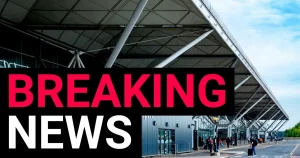



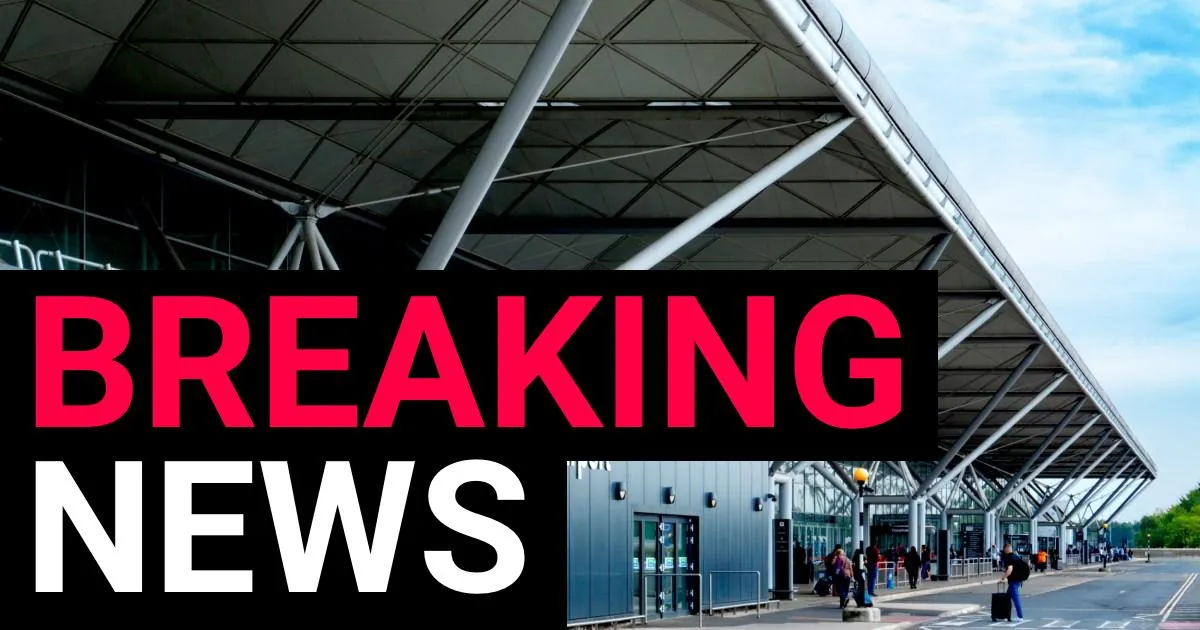
On the surface, Stansted Airport looked like any other busy travel hub on a damp and blustery weekend. But beneath the fluorescent hum of the departure boards, something had gone seriously wrong. A power surge, sudden and unforgiving, had rippled through the terminal and knocked out a whole matrix of essential systems. Almost at once, the smooth choreography that passengers take for granted—bag drop, security screening, boarding, the quiet rhythm of movement—collapsed into a slow, anxious shuffle. In the main departure hall, the queues began to form early and simply never seemed to end. Hundreds of travellers stood in long, serpentine lines, their faces a mixture of mild curiosity and deepening exhaustion. Some had been there for hours, shifting their weight from one foot to the other, clutching coats and passports and half-empty coffee cups. A social media user posted a picture of the scene, a sprawling mass of humanity curling around stanchions and luggage trolleys, with the kind of calm, resigned caption that has become the unofficial soundtrack of modern air travel: the announcement had been made that staff were working to get systems back up and running. But announcements, however reassuring in tone, cannot speed up a security scanner or restore a broken conveyor belt. They can only hold the silence while everyone waits.
For many passengers, the nightmare was not confined to security. Down in the arrivals corridor, another kind of chaos was unfolding. People returning to the United Kingdom found themselves crammed into a packed passageway, waiting to reach passport control. The escalators, normally a place of motion and purpose, had become stationary platforms of stress, packed with weary travellers and families juggling suitcases and children. The immigration hall was not operating to its usual capacity, and the delay felt personal—after a long flight, the last thing anyone wants is to be trapped in a queue, staring at the back of someone else’s head, wondering whether they would make their onward connection or simply collapse into a taxi at the end of the day. One traveller described the atmosphere as “borderline surreal,” a combination of British politeness and simmering frustration. There were quiet sighs every time an announcement crackled over the intercom, and the sporadic updates from airport staff offered little clarity. The airport spokesperson explained that a power surge had affected the airport and the local area, temporarily impacting a number of systems. Most were back in operation, they said, but some were still not working at full capacity, including security and baggage systems. The words were careful, measured, corporate. They did not capture the human reality: the missed meetings, the cancelled birthday celebrations, the grandparents waiting at the barrier with tired eyes, the sound of babies crying in the haze of a long, unplanned delay.
This was not, however, an isolated bout of bad luck. The trouble at Stansted unfolded against a backdrop of severe weather that had already brought much of the country to its knees. Storm Boelo, a ferocious late-season tempest, had torn through the UK’s infrastructure with little regard for Monday-morning travel plans. To and from the airport, rail services were severely disrupted. Greater Anglia, which operates the Stansted Express, was forced to cancel dozens of trains after fallen trees blocked the line between the airport and London. The very service designed to ease airport anxiety—the fast, efficient rail link that so many passengers rely on—was suddenly much less reliable. For those arriving at Stansted from abroad, the journey into the city became a logistical puzzle. For those trying to reach the airport, the nightmare began long before the terminal. On social media, stranded passengers traded notes about which stations were closed, which roads were jammed, and which trains had been rescued by later services. The fallen trees, twisted by gale-force winds, had turned a routine journey into an obstacle course. The whole scene was a reminder that airports, no matter how advanced their technology or how sophisticated their operations, are still tethered to the fragile infrastructure around them: the power grid, the railway lines, the roads, the weather itself.
And if that were not enough, the airport had already been dealing with its own troubles in the days leading up to the power surge. On Friday, travellers were left without water for hours after a fault developed with Stansted’s internal passenger transit train, the automated people-mover that connects the main terminal with a satellite pier. This was not a minor inconvenience. The transit train is a vital link, carrying passengers between different parts of the airport in a matter of minutes. When it failed, so did the flow of people. Engineers were summoned, replacement shuttle buses were scrambled, and passengers were left waiting in the cold, watching as luggage trolleys stacked up and departure times slipped away. The airport has said that the automated transit system is due to be decommissioned next year, but for those caught in Friday’s chaos, the promise of future improvements was little comfort. The image of travellers standing in the dark, waiting for a bus that should never have been needed, was another entry in a growing catalogue of aviation headaches. The back-to-back disruptions—first the transit, then the power surge—painted a picture of an airport straining at the seams, caught between aging infrastructure and the relentless demands of modern travel. For passengers, the cumulative effect was exhausting. An airport is a threshold, a place where journeys begin and end, a place of reunions and farewells. When it stops working properly, the emotional weight of every trip becomes heavier.
The wider context made the airport’s struggles feel personal, even to those not travelling through Stansted that weekend. The storms named Austen and Boelo had swept across the country with a fury that left thousands of homes without power. Heavy rain and wind lashed entire regions, turning streets into rivers and bringing down trees like matchsticks. In London, the severe weather forced the cancellation of the capital’s Diwali celebrations, due to take place in Trafalgar Square on what should have been a day of light and joy. It was a bitter irony: a festival of lights, extinguished by the brute force of nature. For many, the cancelled celebrations were a quiet sorrow, a lost opportunity to gather, to share food and stories, to feel the warmth of community. Meanwhile, in darkened homes across the country, families lit candles and huddled together, reminded how quickly the comforts of modern life can be stripped away. The storms were a shared national experience, a moment of collective inconvenience and, in some cases, real hardship. In the midst of it all, Stansted’s troubles were just one more symptom of a system under pressure. The airport is London’s third-busiest hub, a gateway for millions of passengers every year, and yet it had been brought low by something as commonplace as a power surge. It was a humbling reminder of the delicate balance upon which modern aviation depends: a single electrical blip can ripple outward, causing hours of delay, a trail of missed connections, and a great wave of human frustration.
But if there was a silver lining in the chaos at Stansted, it was the resilience of the people caught up in it. Airport workers, many of whom had been working since before dawn, moved through the crowds with professionalism and patience, answering the same questions again and again, offering directions and apologies in equal measure. Passengers, too, found small ways to cope: strangers shared charging cables and snacks, parents entertained restless children with games and stories, and queue-mates swapped travel tales in the easy camaraderie of shared hardship. The airport spokesperson’s promise that “teams are working hard to restore all services and support passengers” was not empty corporate language—it was a reflection of the unseen effort happening behind the scenes, in control rooms and baggage halls, in maintenance tunnels and on the tarmac. For the thousands affected, the memories of this particular weekend will likely fade into the broader blur of travel mishaps, the kind of stories that get retold at dinner parties with a rueful laugh. But the underlying lesson remains. Travel, at its best, is an act of hope, a leap into the unknown, a belief that the world is wide and wonderful and worth exploring. At its worst, it is a test of endurance, a humbling encounter with the limits of our control. On this particular weekend, Stansted offered its passengers a generous dose of both. The queues will eventually clear, the systems will be restored, and the planes will take off again. But for a few hours, at least, the airport became a place where time slowed down, where everyone was equal, and where the only thing to do was wait, breathe, and remember that we are all, in the end, just people trying to get somewhere.