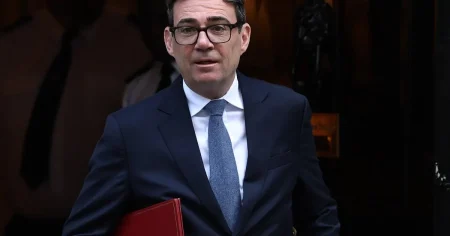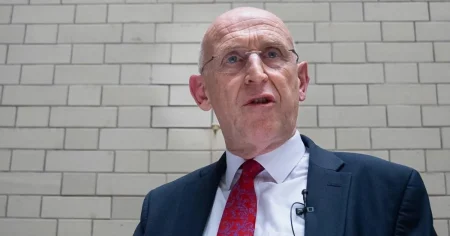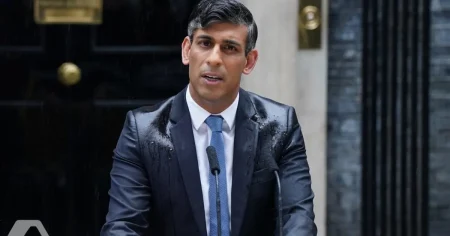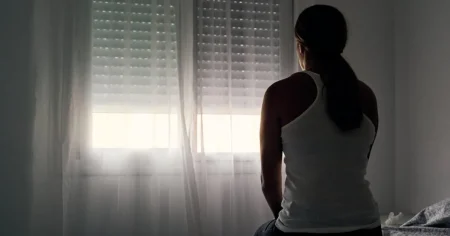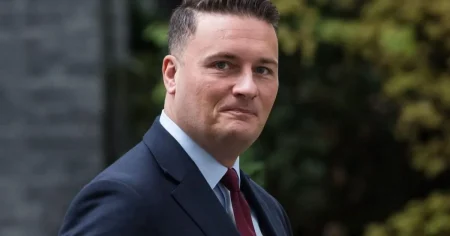
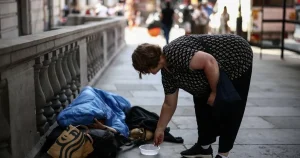

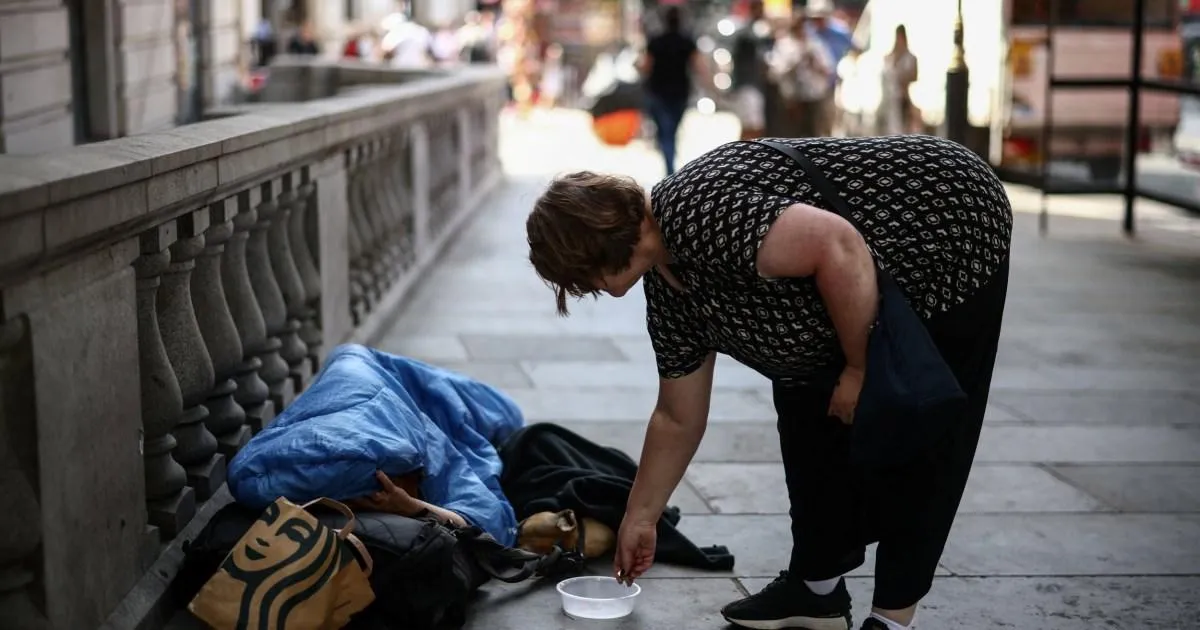
Andy Burnham stood outside Downing Street and made a kind of promise that politicians usually avoid. He didn’t offer cautious language or vague hopes. He looked into the future and set a date. By Christmas, he said, rough sleeping should no longer exist. Not reduced. Not managed. Ended. For anyone who has ever walked past a person huddled in a shop doorway, wrapped in a damp sleeping bag, trying to disappear into the shadows, that kind of commitment can sound almost like a fantasy. But on the day he announced it, something in the air felt different. The prime minister wasn’t just talking about compassion; he was backing it with money. The government announced an additional £432 million for the fight against homelessness, nearly doubling the previous investment and bringing the total to £874 million. Chancellor John Healey is expected to set out the details in his first Budget on Wednesday. That kind of money cannot erase years of trauma or instantly rebuild broken lives, but it represents something essential: a recognition that ending rough sleeping is not a slogan but a serious, funded, national project. It says to every outreach worker, every charity volunteer, every person still sleeping on the streets, that the state sees them and is willing to pay for change. For the first time in many years, the conversation about homelessness has moved beyond sympathy and into strategy. The target is ambitious, perhaps even uncomfortable in its boldness, but it is no longer just an idea. It is a plan with a price tag, a deadline, and a prime minister who says he will not accept anything less than the end of rough sleeping.
The person who knows just how hard that promise will be to keep is Emma Haddad, chief executive of St Mungo’s, the charity that has spent decades walking alongside some of the most vulnerable people in the country. Speaking to Metro, she described a feeling she hasn’t had before in her role: an “impetus and pace and energy” around the issue of homelessness. That is no small thing. People who work in this field have seen governments come and go, initiatives rise and fall, and promises made and quietly forgotten. But this time, Emma said, there is a sense that something is genuinely shifting. Still, she was careful not to let optimism turn into illusion. Rough sleeping, she explained, is not a simple problem with a single solution. Many of the people St Mungo’s supports are at the “more complex needs” end of the spectrum. They are people who have lived through multiple disadvantages, years of trauma, mental health crises, addiction, abuse, and the slow unraveling of every support system that should have caught them. “One offer of a route off the streets won’t necessarily touch the sides,” she said. That is the honest, uncomfortable truth behind the headline-grabbing target. You cannot simply hand someone a room and expect their life to transform overnight. The damage runs deep, and so must the care. Emma’s words are a reminder that homelessness is not just a housing problem. It is a health problem, a justice problem, an education problem, and, at its heart, a human problem. And human problems do not obey political timetables. They take time, patience, and a willingness to stay even when the first attempt fails.
That is why Emma’s cautious hope matters so much. She knows that ending rough sleeping by Christmas is an important beginning, but she also knows that the real test comes after the celebrations are over. “What happens on Boxing Day?” she asked, articulating the fear that haunts everyone who has watched previous efforts fade. Every winter, there is an outpouring of goodwill. Shelters open, donations pour in, volunteers give their nights. Then January arrives, the weather turns less dramatic, the cameras move on, and the problem is still there, colder and more invisible than ever. This time, however, the funding is not just a Christmas present. According to Downing Street, the new money will extend through the lifetime of this Parliament, which is expected to run until 2029 unless an early election is called. That changes everything. It means charities can plan beyond the winter. It means outreach teams can build the kind of long-term relationships that actually help people leave the streets. It means a rough sleeper can be offered not just a bed for the night, but a pathway to a future. For Emma, that kind of financial certainty is a “game changer.” She has been saying all along that the offer to get people off the streets by Christmas is fantastic, but the support cannot stop there. With funding secured for years rather than weeks, services can finally think about recovery, not just rescue. They can provide the tailored, individual support that people with complex needs require. They can be there on Boxing Day, and the day after, and the day after that. The long game is not glamorous, but it is the only game that actually works, and for the first time, the government seems to understand that.
On Monday, Burnham will take that message to a room full of people who have the power to help. The prime minister is set to host a wide range of charities, outreach organisations, philanthropists, and private companies at Downing Street to discuss how to tackle rough sleeping. This is not the usual political photo opportunity, a few handshakes and a speech before everyone disappears. The meeting is designed to be a working summit, with the first half focused on the immediate goal of getting people off the streets by Christmas and the second half devoted to the harder question of maintaining that support into the future. The guest list says a lot about how much the world has changed. It includes L’Oréal, which is launching a “Social Salon” initiative in partnership with St Mungo’s and Haircuts4Homeless. That might sound simple, but for someone who has been living on the streets, a haircut is not a luxury; it is a way of reclaiming dignity, of feeling seen and human again. It is a doorway back into the world. Virgin Media is also involved, providing support to help women and their children stay connected to essential services while they are experiencing homelessness. In an age when so much depends on the internet, a phone connection can be a lifeline to housing, healthcare, and family. The presence of these companies signals that tackling homelessness is no longer seen as the sole responsibility of charities or local councils. It is a whole-society challenge, and everyone from multinational corporations to small volunteer groups is being invited to play a part. Emma said the meeting would also be a chance to push prevention to the top of the agenda, because the real goal is not just to get people off the streets, but to stop them from ending up there in the first place.
“If we don’t start to prevent people arriving on the streets in the first place,” Emma warned, “we’re almost just taking thousands off and adding another few thousand.” That is the brutal arithmetic of homelessness. A city can clear its visible rough sleepers, but if the underlying pressures remain, the doorways will simply fill again with new faces, new stories, new tragedies. Emma argued that the “prevention levers” need to be pulled “really, really hard.” One of the most important is increasing local housing allowance so that people can actually afford rent in the private sector. In too many parts of the country, a single person on benefits cannot come close to covering the cost of even the most basic flat. The gap between what the state provides and what the market demands is one of the biggest drivers of homelessness, and closing it would stop thousands of people from ever reaching the streets. Another lever is stopping the “churning” of people out of prisons and hospitals straight onto the pavement. It is a scandal that has been documented again and again: someone is discharged from a mental health ward with nowhere to go, or released from prison with no address and no support, and within days they are sleeping rough. “Let’s have a solution for those,” Emma said. “That is utterly preventable homelessness.” Her words carry a moral clarity that is hard to argue with. We may not be able to prevent every personal tragedy, every addiction, every collapse of a family. But we can absolutely prevent a system that pushes people out of institutions and into the gutter. We can prevent policies that make housing unaffordable. We can prevent the indifference that allows a person to be treated as a nuisance rather than a human being in distress. Prevention is not always visible or dramatic, but it is the most compassionate and cost-effective way to end homelessness for good.
Burnham’s own words captured the philosophy behind the whole effort. “Rough sleeping isn’t a fact of life,” he said. “It’s a thing governments either choose to accept or don’t. Well I don’t accept it. That’s why we’re doubling funding so that people aren’t just offered a safe route off the streets this winter but have that same support right through the rest of this Parliament too.” There is something deeply humanizing about that refusal to accept the unacceptable. For decades, rough sleeping has been treated almost like a natural disaster, something that happens, something we can only manage, something to be swept away before big events. Burnham is rejecting that passive approach. He is saying that homelessness is a policy choice, and if it is a choice, it can be unchosen. He is saying that the person in the doorway is not a statistic but a citizen, someone with a name, a history, and the same claim on dignity as anyone else. The road to Christmas will not be smooth. There will be setbacks, missed deadlines, people who refuse offers, people who fall through the cracks. Emma Haddad knows this better than anyone. She knows that “not everyone’s going to accept that first offer by Christmas.” But she also knows that the journey of a thousand miles begins with a single step, and this week, the government took a very large one. For the first time in a long time, there is real money, real political will, and real partnership behind the promise to end rough sleeping. The task now is to sustain that energy beyond the holidays, to keep pulling the prevention levers, to keep building trust with those who have been let down so many times. The target may be Christmas, but the commitment must be forever. If this is truly the moment when Britain stops accepting the unacceptable, then the people sleeping on our streets will finally have more than a bed for the night. They will have hope, and hope, carefully supported, is the most powerful force there is.