


In the quiet, grey aftermath of a Tuesday afternoon, the city of Sunderland found itself suspended between disbelief and grief. Three teenagers had set out on an ordinary journey, their lives full of the usual plans, dreams, and distractions, and yet that journey ended in the cold, dark waters of the River Wear. The victims were named as Zara Shaw, 16, from Houghton-le-Spring, Tyne and Wear, along with Jackson Duke, 17, and Luke Etheridge, 16. Their car, an Audi A3, had veered off a bridge at Panns Bank and plunged into the river, sinking beneath the murky surface. The news spread quickly through schools, homes, and social media, leaving a whole community struggling to comprehend how three young people could be here one moment and gone the next. The river, which had flowed peacefully through the city for as long as anyone could remember, suddenly became the site of an unthinkable tragedy. It was the kind of loss that changes the texture of a place, making familiar streets feel strange, making ordinary sounds feel louder and emptier at the same time. There were no warning signs, no slow build of sorrow; just a sudden, violent rupture in the lives of three families and an entire community that had been taken by surprise. For the parents, siblings, classmates, and friends left behind, the shock was still settling in, but even through the haze of tears, love was fighting to be heard.
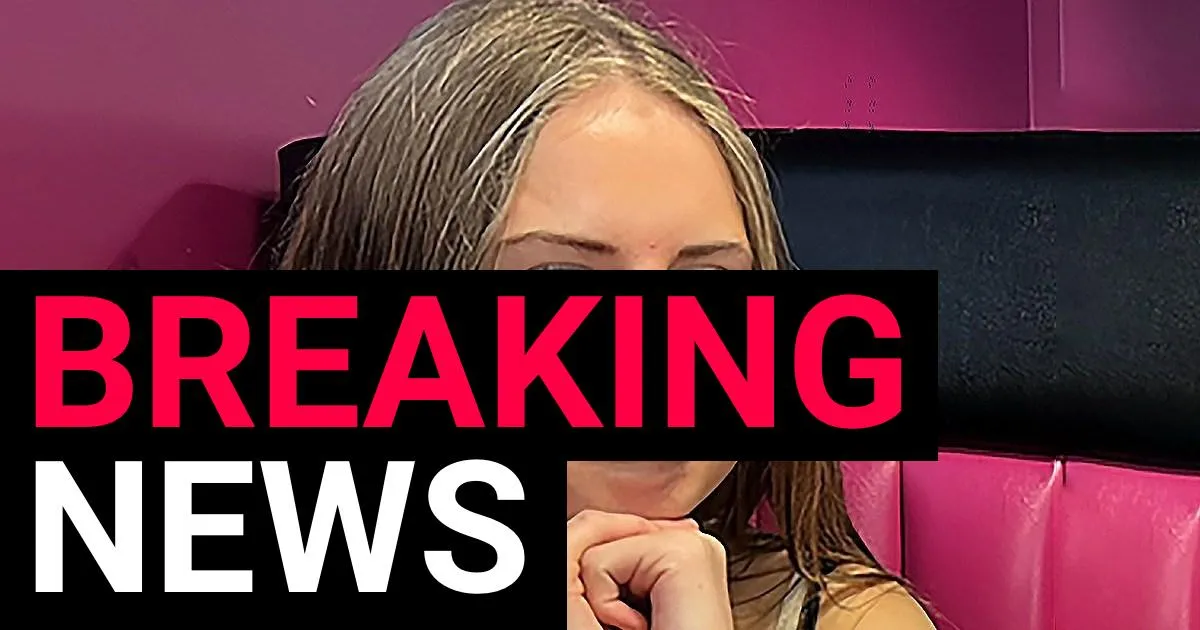
Of the three lives lost, Zara Shaw’s family found the words to capture the fierce, bright spirit of their daughter in a heartfelt tribute that spoke directly to her, as if hoping she could still hear them. They described how Zara came into the world with a fight, and that she left it doing the same. It was a phrase that said everything about her determination, her stubborn courage, and her refusal to be ordinary. The family wrote of her zest for life, how life itself seemed to love her back, and how she was created as a companion for her sister Olivia, who loved her deeply and unconditionally. There was something tender and profoundly human in those words, a reminder that Zara was not just a name on a news report, but a daughter, a sister, a granddaughter, a niece, a cousin, a girlfriend, and a best friend. She had made her family proud from day one, they said, through her studies, her willingness to learn new skills, and the lifetime friendships she had formed along the way. She loved making dance videos, and her infectious laugh and smile could fill a room. The family thanked everyone who had been in Zara’s life, saying that those people made her what she became, and in the darkest hour of their lives, they were humbled and grateful for the kindness and good wishes they had received. There was no anger in their words, only love for the girl they had lost, and gratitude for the time they had been given with her. It was a tribute that did not dwell on the tragedy alone, but instead celebrated the happiness Zara brought into the world, even as it acknowledged how cruelly and suddenly that happiness had been taken away.
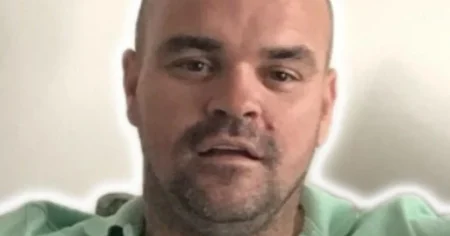
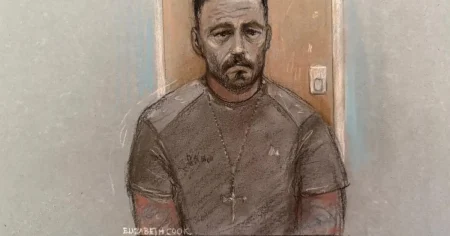
The circumstances of the crash itself only deepened the sense of heartbreak. At around half past one in the afternoon, the Audi A3 was travelling in which the three teenagers were passengers when it left the road and fell from the bridge into the River Wear. It is impossible to know what was happening in those final moments, whether there was a sudden shout, a desperate attempt to regain control, or only silence before the water rose to meet them. The car was later lifted from the river, a twisted and sodden remnant of the short journey it had carried, and the image of it being pulled from the dark water became a painful symbol of how quickly life can be undone. One occupant, a 17-year-old boy, managed to reach safety with only minor injuries, and the sheer randomness of that survival was not lost on anyone. Why did one young man escape while three others did not? Could anything have been done differently? What would it have taken for that car to stay on the bridge? These were questions that no recovery operation, no police inquiry, and no amount of prayer could fully answer. The boy who survived, who must have been carrying the weight of that experience in his own way, was later arrested on suspicion of death by dangerous driving and released on bail pending further inquiries. There was no sense of triumph in that arrest, only the beginning of a long and painful legal process that would follow the tragedy, a process that would need to find answers while grieving families tried to find a way to go on living without their children.
Around the banks of the River Wear, the city began to leave its own message of love. Floral tributes were laid along the water’s edge, bright spots of colour against the grey stone and muddy shore. Bouquets wrapped in rustling paper, teddy bears, handwritten notes, and small candles were placed where friends and strangers alike could come and stand for a moment in silence. Some of those who gathered were close friends of Zara, Jackson, and Luke; others had never known them at all, but felt the grief of their city as their own. They stood looking at the river, perhaps trying to understand how something so beautiful and familiar could also be so deadly. The tributes were not just for Zara, but for all three teenagers, each of whom had families and friends now facing the same unbearable emptiness. The outpouring of grief spoke to how tightly woven these young people were into the life of the community. They were not distant names or anonymous statistics. They were the teenagers who waved from passing buses, who served behind counters in local shops, who were known by teachers and coaches and neighbours. They had futures ahead of them, futures that would now never be lived, and a city mourned the loss of all the birthdays, graduations, and ordinary moments that would never come. For the families, the flowers and notes were a small comfort, but also a reminder that they were not alone in their grief. It mattered to know that the world recognised the worth of the children they had lost.
Alongside the public sorrow, there was a quieter, more complicated process taking place. Police began their investigation into what had happened on that Tuesday afternoon, examining the road, the bridge, the car, and every detail that might explain how a vehicle carrying four young people ended up in the river. The 17-year-old who survived the crash was taken into custody and questioned, then released on bail pending further inquiries, meaning that the search for answers was far from over. The phrase “death by dangerous driving” carried with it a heavy weight, suggesting that this was not simply a terrible accident, but something that might involve a level of responsibility. For the families of Zara, Jackson, and Luke, the legal proceedings would be a difficult addition to their grief, forcing them to revisit the details of the crash again and again in courtrooms and police stations. They would hear descriptions of the vehicle, the river, the rescue, and the moments leading up to the tragedy, all in the hope of finding some clarity, some cause, some reason for the chaos that had taken their children. But no criminal case, no verdict, no sentence, could bring back a son or a daughter. The law can assign blame, but it cannot heal a broken heart. It can punish, but it cannot undo the past. The families of the three teenagers would have to move through the coming months with a double burden: the endless pain of missing their loved ones, and the exhausting pursuit of justice, all while trying to preserve the memory of the people they had lost in a world that would keep moving forward without them.
And yet, amid all the grief and uncertainty, the family of Zara Shaw chose to end their tribute with a message of love rather than despair. They wrote that a tragedy had taken her, but their memories remained blessed with having her as their daughter. They told her to rest safe, their beautiful girl, Zara. Those final words were a kind of goodbye, but also a promise that she would never be forgotten. The same could be said for Jackson Duke and Luke Etheridge, whose names were now written into the story of their city, remembered by everyone who heard of the tragedy and wept for the lives cut short. The river would keep flowing, the city would slowly find its way back to some kind of normality, but the absence of these three young people would remain in the hearts of those who loved them. There would be dances that Zara would never film, conversations that would never happen, friendships that would never grow old. The community that stood by the water, leaving flowers and messages, would have to find strength in each other, in the compassion of neighbours, in the shared understanding that life is fragile and precious beyond measure. It is easy to get caught up in the rush of daily existence, to complain about small things, to forget how quickly everything can change. But in the wake of this tragedy, the people of Sunderland were reminded of what truly mattered: not money, not status, not any of the things that normally occupy people’s attention, but the simple, powerful gift of loving and being loved. Zara Shaw came into the world with a fight, and she left it doing the same. Her family’s words, so full of pride and grief and gratitude, will echo long after the flowers have faded, and the police reports have been filed, and the headlines have moved on to something else. For those who knew her, and even for those who only knew her story, Zara remains a reminder that a life, no matter how short, can be full of light, laughter, and love. Rest safe, beautiful girl. Rest safe.