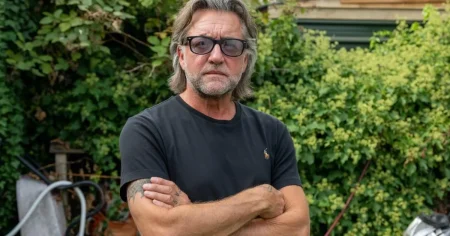


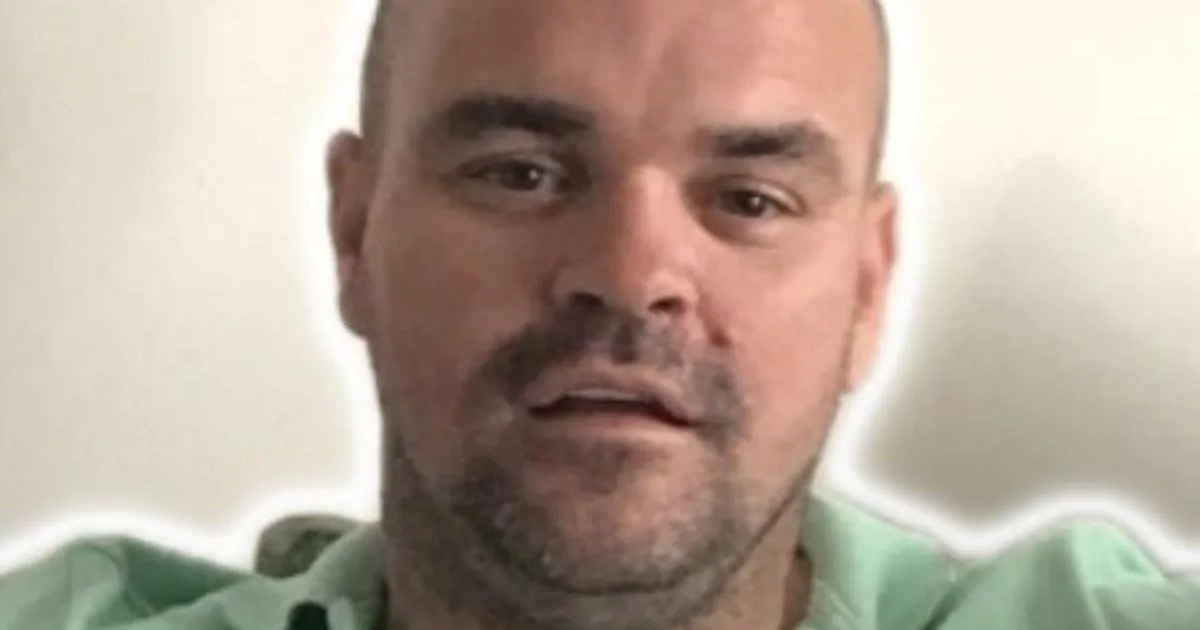
The terrible crash on the A66 in Middlesbrough on August 22 left an entire community in mourning, and for the families involved, life changed forever in a single, horrifying moment. Cole Worthy, a seventeen-year-old boy with his whole life ahead of him, was one of five young people killed when a Volkswagen Passat was driven the wrong way down the carriageway and collided head-on with a police vehicle. The crash also claimed the lives of two serving Cleveland Police officers, PC Matthew Blades and PC Tom Clough, and the ripple of grief spread far beyond the town. Among the many people left shattered by the loss was Cole’s father, Gye Worthy. A father’s pain is difficult to put into words, but the weeks that followed have shown just how raw and complicated grief can be. Rather than being able to quietly mourn his son, Gye Worthy now finds himself at the centre of a very different and deeply painful situation, as he faces court after being accused of attacking a man during Cole’s own funeral service. It is a tragedy within a tragedy, a story of overwhelming sorrow spilling over into anger, and it has left the community and those who loved Cole struggling to make sense of it all.
The funeral took place on September 9 at Teesside Crematorium, a day that should have been an opportunity for family and friends to say goodbye, to honour a young life cut short, and to find some small measure of comfort in coming together. Instead, according to reports, the service was interrupted by a disturbance that left those present devastated and shocked. Gye Worthy is said to have shouted insults and then attacked a man when Cole’s name was not mentioned during the eulogy. The report claims that while Cole’s stepfather was included in the eulogy, Cole himself was not mentioned, and this omission appears to have triggered an anguished and furious reaction from his father. The man involved in the incident was identified as Paul Maull, and police were called to the chapel following reports of a disturbance. For the teenagers and adults who had gathered to pay their respects, it must have been an absolutely heartbreaking moment. Already bowed by the weight of burying a beloved young man, they were then forced to witness an outburst of raw, uncontrolled anger in a place meant for peace. The service did eventually resume, according to reports, but the damage to a day that should have been sacred was already done. No one can know exactly what was going through Gye Worthy’s mind in that moment, but the image of a father lashing out at his son’s funeral is one that speaks to the unbearable pressure and pain that grief can place on a person.
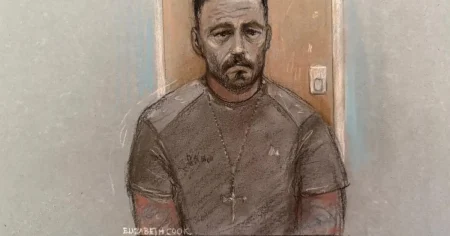
Now, Gye Worthy is due to appear at Teesside Magistrates’ Court, charged with common assault, a public order offence, and obstructing police after the disturbance at the funeral. He has already admitted using threatening or abusive language and behaviour towards Mr Maull, and has also pleaded guilty to beating him. These are serious admissions, and the legal process will now determine the consequences. He is due to be sentenced on October 27, meaning the case will continue to hang over an already devastated family. For the public, it can be difficult to understand how a grieving father could end up in such a position, but those who have experienced profound loss know that grief rarely follows a neat, gentle path. It can be chaotic, explosive, and deeply unfair, sometimes turning even the most loving person into someone they do not recognise. That does not excuse the alleged behaviour, of course, but it helps explain how a father, standing in a crematorium, listening to his son’s memory being overlooked, might have snapped. The legal system now must weigh the circumstances against the actions, while the family must somehow continue to grieve under the glare of public attention. The hope is that the court process will bring some form of resolution, not just for the man accused, but for everyone affected by the events of that sorrowful September day.
Perhaps making Gye Worthy’s emotional state even more fragile is the fact that his family home in Middlesbrough, near South Bank, had reportedly been seriously damaged shortly before the fatal crash that killed his son. According to reports, a red Volvo rammed into the front of the semi-detached house, causing significant damage. The timing and circumstances of that incident remain unclear, and it is not known whether it is directly connected to the crash or to the events that followed. But the thought of a father already dealing with a damaged home, perhaps feeling that his family was under threat, and then losing his teenage son in such a sudden and violent way, is almost unbearable to contemplate. Life had already been difficult, and then it became impossibly worse. The home that should have been a safe place was damaged, and the son who should have come home never did. All of this context matters when trying to understand the human being at the centre of this story. Gye Worthy is not simply a man accused of assault; he is a father who attended his son’s funeral, only to be consumed by a mixture of heartbreak and fury. The events of that day are a painful reminder of how grief can manifest in the most unexpected and destructive ways.
It is important to remember, at the heart of all of this, the young lives that were lost. Cole Worthy was only seventeen years old, a teenager with friends, dreams, and a family who loved him. He died alongside Makai Saddington, eighteen, Theo Ray, seventeen, Jacob Matusiak, twenty-three, and Michael Robert Cahill, twenty-three. These were young men with their whole lives ahead of them, and their loss has left a permanent hole in the lives of their parents, siblings, and friends. The two police officers who died in the crash, PC Matthew Blades and PC Tom Clough, were also fathers and husbands, and their deaths shook the wider police family and the entire country. In the days after the crash, tributes poured in from across the community, with flowers, candles, and messages left at the scene. There was a shared sense of disbelief that such a devastating event could happen on a quiet road in Middlesbrough, claiming so many lives in a single moment. For Cole’s loved ones, the funeral was supposed to be a chance to celebrate his life, to share memories, and to say goodbye. Instead, it became another source of pain and confusion. The other families, too, are still living with the trauma of that night, and the ongoing legal case involving Cole’s father is yet another reminder that the aftermath of tragedy is rarely straightforward.
As the court prepares to sentence Gye Worthy, there are no easy answers. Some will see his actions as disgraceful, a disturbance of a solemn occasion that should have been reserved for love and remembrance. Others may feel a deep, reluctant sympathy for a father who lost his child in the most violent and sudden way imaginable and then felt his son was not properly honoured in his final farewell. Both feelings can exist at the same time, because grief is not simple and human beings are not perfect. What is certain is that a family that has already suffered the loss of a beloved teenager is now also dealing with the consequences of a moment of anger. The community of Middlesbrough, still reeling from the original tragedy, must now watch as the father of one of the victims stands before a judge. Perhaps the only hope is that the sentencing will bring some closure, allowing the family to finally focus on grieving without the distraction of court dates and legal proceedings. In the end, this is not just a story about an alleged assault; it is a story about the fragility of life, the unrelenting nature of grief, and the way that love for a child can sometimes twist into something painful and destructive. Cole Worthy’s life mattered, and his death should not be overshadowed by the events of his funeral. As the legal process moves forward, the greatest hope is that all those who loved him can find a way to remember him with peace, and to heal from a loss that no parent, child, or community should ever have to carry alone.