


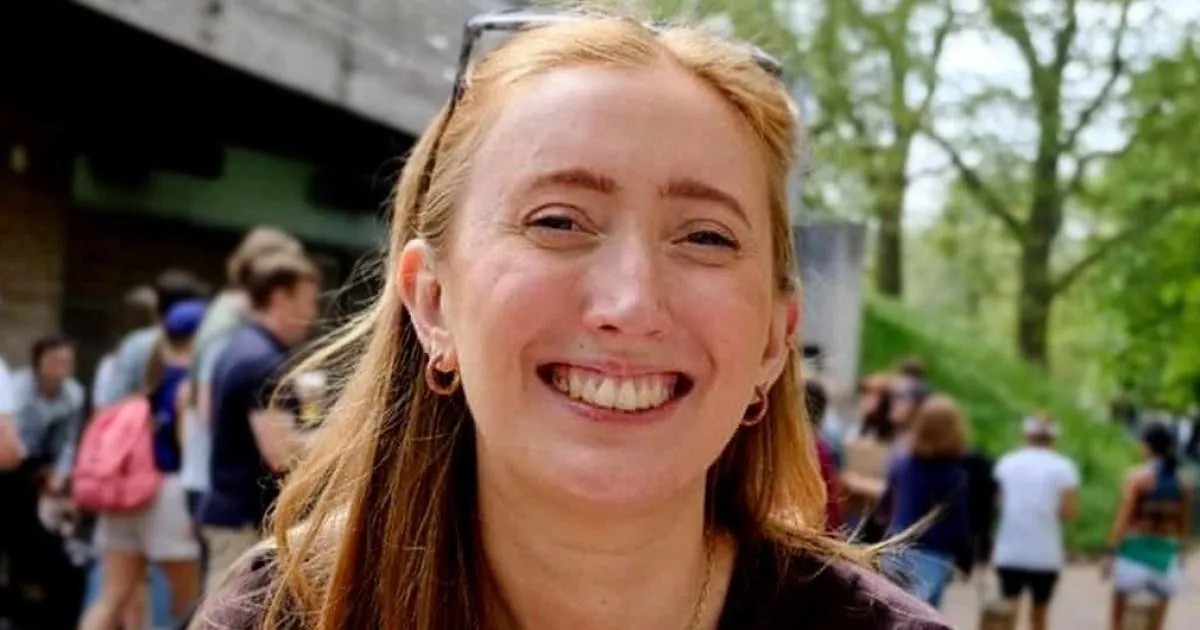
The sudden and tragic death of Chloe Moffat, a 26-year-old personal assistant at the UK Treasury, has cast a stark and sorrowful light on the inner workings of one of the nation’s most powerful institutions. Chloe, who served as an assistant to a Treasury director, passed away on May 20 last year, just one day after a meeting with her managers that her family believes was a critical failure of duty and care. The meeting, which Chloe had anticipated would be a routine check-in, turned into a formal interrogation regarding allegations that she had shared sensitive, confidential information about her colleagues. She vehemently denied these accusations. The sheer shock of the encounter, combined with its aftermath, is now believed to have been a major contributing factor to her decision to take her own life, leaving her family and friends to grapple with a devastating and preventable loss.
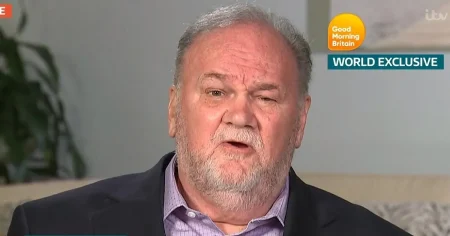
The details of that fatal meeting, as recounted by Chloe’s grieving father, David Moffat, paint a picture of a cold, clinical, and unsupported process that prioritised procedure over the wellbeing of a young employee. Chloe’s father, speaking on BBC Radio 4’s Today programme, described the experience of losing his daughter as having torn “such a big hole in our lives.” He revealed the unsettling sequence of events that began when Chloe walked into the one-to-one meeting, only to find not just her line manager, but also a more senior figure present. Her initial, insightful reaction was, “Oh, this must be serious, there’s two of you here.” What followed was a litany of allegations about her conduct, which she consistently denied. Throughout the ordeal, she made repeated, anxious pleas for reassurance, asking directly whether she could lose her job, only to be met with silence. She also requested that a friend be allowed to be present for support, a plea that was also refusedtep.
The handling of the meeting has been condemned by the family as something that “beggars belief,” and an inquest held earlier this month has validated many of their concerns Alert. Crucially, the inquest found that the Treasury had failed to follow its own written disciplinary policy. The policies in place stipulated that, even if the allegations had been proven, the likely outcome would have been a written warning, not a dismissal. This procedural violation suggests that the meeting was conducted with an unnecessary level of severity that did not match the potential consequences. The emotional impact on Chloe was immediate and profound. Beyond the meeting itself, she was locked out of her work emails right away, a tangible sign that her professional life had been abruptly and forcibly suspended. The coroner’s inquest concluded that this entire ordeal—the tense meeting and its immediate, isolating aftermath—had “materially contributed” to her death.
The Moffat family’s account is one of profound frustration and deep sorrow over the lack of basic human decency shown to their daughter. They have stated unequivocally that they believe the Treasury failed in its duty of care, pointing to the complete absence of any safeguarding or support mechanisms during and after the meeting. David Moffat highlighted this callousness, stating that “there was no safeguarding, there was no support during or after that meeting, from what we’ve seen and what we’ve read.” He expressed his bewilderment that an organisation so central to the government could fail so fundamentally in handling such a delicate and potentially devastating situation for an employee. For the family, this was not a matter of complex policy, but of simple, basic care for a human being who was clearly in distress. The fact that a young woman in a state of anxiety was left to leave that meeting with no support and no clear understanding of her future is, to them, an unforgivable lapse in judgment.
Beyond the anger and the grief, the family’s primary motivation now is to ensure that this tragedy serves as a catalyst for meaningful change, so that no other family has to suffer a similar loss. When asked if he believed the Treasury had taken responsibility for its role in Chloe’s death, David Moffat’s answer was a stark and simple “Not yet.” However, he and his wife, Anne, are focused on the future. They have had a meeting with the Treasury’s permanent secretary, James Bowler, and have received a letter from him, which at least signals a formal acknowledgment from the highest levels of the department. The family’s stated goal is to see that “lessons are learned.” They are channeling their immense pain into a drive for accountability and reform, hoping that something positive can come from their “unbearable loss.” As David put it, “If something positive can come from this unbearable loss that we’re suffering, that’s all we look to achieve.”
The tragedy of Chloe Moffat is a profound reminder that workplaces are not just formal structures of policy and procedure but are made up of real people with vulnerabilities. The Treasury’s response, while expressing deepest sympathies and stating a commitment to learn from the tragedy and work “urgently” to respond to the coroner’s findings, has so far felt insufficient to the family. They have introduced “immediate changes” to their guidance, support, and wellbeing arrangements, yet David Moffat’s public statement suggests that these actions are reactive rather than a genuine acknowledgment of their culpability. The gap between the institution’s formal response and the family’s lived experience of their daughter’s final hours is immense. The focus on process, on allegations, and on locking out a distressed employee from her account reveals a systemic failure to see the person behind the position, a failure that has had irreversible and catastrophic consequences.
Ultimately, Chloe Moffat’s story is a heartbreaking case study in the consequences of a corporate culture that can be blind to human fragility. Her death was not a random event, but the direct result of a chain of decisions—the decision to escalate a routine meeting, the decision to refuse support, the decision to withhold information about potential outcomes, and the decision to effectively cut her off with no follow-up. For her family, the legal proceedings and inquest findings provide some validation, but they can never fill the “big hole” in their lives. They carry the weight of knowing that this tragedy was preventable, and their campaign for accountability is driven by a desire to transform their profound personal pain into a wider institutional learning point. The story serves as a haunting reminder that in the pursuit of professional standards and disciplinary efficiency, the most vital duty—the duty to care for one another—must never be forgotten. The Treasury’s acknowledgment that it must “learn the lessons” is a step, but for David and Anne Moffat, the true measure of responsibility will be in the tangible changes enacted to prevent another young person from being failed in their hour of need. They are left to navigate their grief, finding purpose in the hope that their daughter’s life and tragic death will ultimately force a reckoning with how government departments, and indeed all employers, treat their most vulnerable employees.