


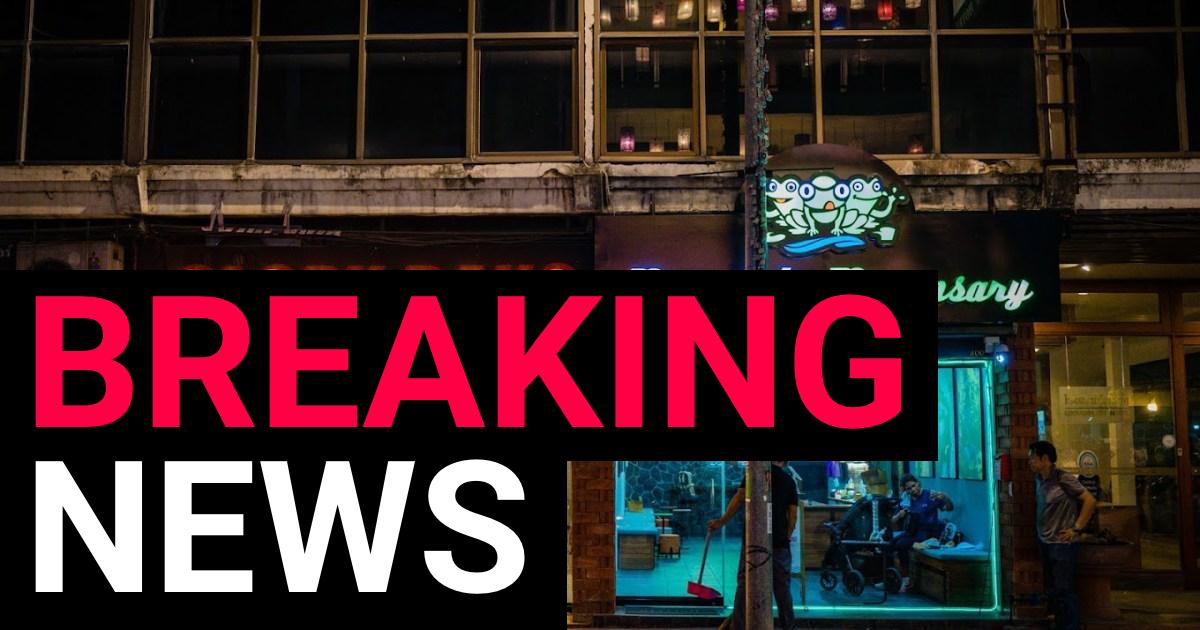
A 25-year-old British tourist tragically lost his life during a Christmas holiday in Chiang Mai, Thailand, after consuming magic mushrooms purchased from a local cannabis store. The unnamed man and his girlfriend had embarked on a festive getaway to the northern Thai city, where they visited various tourist attractions, including the iconic Tha Pae Gate. Their holiday took a devastating turn when they decided to purchase magic mushrooms, a hallucinogenic drug, from a shop named The Glory Days. After returning to their hotel room, the couple consumed the mushrooms. Approximately 40 minutes later, the man experienced a severe adverse reaction, exhibiting symptoms such as foaming at the mouth and writhing in pain. Despite the swift arrival of medical personnel at their resort, the young Briton was pronounced dead at the scene.
The girlfriend, questioned by medics and authorities, confirmed that they had bought the magic mushrooms over-the-counter at The Glory Days. This information prompted a police raid on the cannabis store. While no mushrooms were initially found on the premises, a subsequent search of a storage room belonging to the shop owner revealed a substantial stash of the hallucinogenic fungi. Authorities seized approximately 7kg of magic mushrooms and arrested four individuals connected to the store – the owner and three employees – on suspicion of selling category 5 narcotics. The owner of The Glory Days now faces potential charges related to the sale of illegal substances and the tragic death of the British tourist.
The incident highlights the potential dangers associated with unregulated or inadequately controlled sales of substances like magic mushrooms, even in jurisdictions where cannabis may be legal or decriminalized. While Thailand has relaxed some of its cannabis laws, the sale of magic mushrooms remains illegal, classified as a category 5 narcotic. The case underscores the need for clear regulations and vigilant enforcement to protect consumers from potentially harmful substances and prevent similar tragedies in the future. The British Embassy has been notified of the incident and has presumably informed the deceased’s family.
This unfortunate event serves as a cautionary tale for travelers. While tourists often seek new experiences and explore local customs, it is crucial to be aware of and adhere to the laws and regulations of the country being visited. Purchasing and consuming substances from unregulated sources carries inherent risks, as the quality, potency, and safety of such products cannot be guaranteed. The consequences of such actions can range from severe health complications to legal repercussions, and even, as tragically demonstrated in this case, death.
The investigation into the incident is ongoing, with Thai authorities focusing on determining the exact cause of death and the responsibility of the cannabis shop in the tourist’s demise. The autopsy report will play a crucial role in establishing the link between the consumed magic mushrooms and the fatal reaction. The legal proceedings against the arrested individuals will likely depend on the findings of the investigation and the evidence gathered by the authorities. The case may also lead to a review of regulations regarding the sale of cannabis and related products in Thailand, with a potential focus on strengthening enforcement and preventing access to illegal substances like magic mushrooms.
The death of the British tourist casts a shadow over the bustling tourist scene in Chiang Mai and serves as a stark reminder of the potential dangers lurking beneath the surface of seemingly carefree holiday destinations. The incident highlights the importance of responsible travel, including awareness of local laws, cautious consumption of substances, and seeking information from reliable sources about potential risks. The tragedy also underscores the need for continued international cooperation in addressing the challenges posed by the global drug trade and ensuring the safety of travelers worldwide.