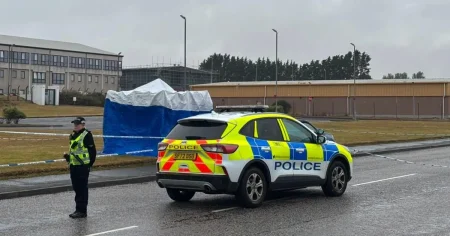


The scorching heatwave that recently gripped London turned a summer afternoon into an unimaginable nightmare for a local family. As temperatures soared past 30 degrees Celsius, the relentless humidity pushed many to seek any form of relief, leading a group of young friends toward the Millwall Outer Dock in the East End. Among them was a 14-year-old schoolboy, a child whose life was defined by the typical joys of youth and the simple desire to beat the heat. Tragically, what began as a carefree attempt to cool off in the water ended in a devastating loss that has left the entire community reeling in shock and sorrow.
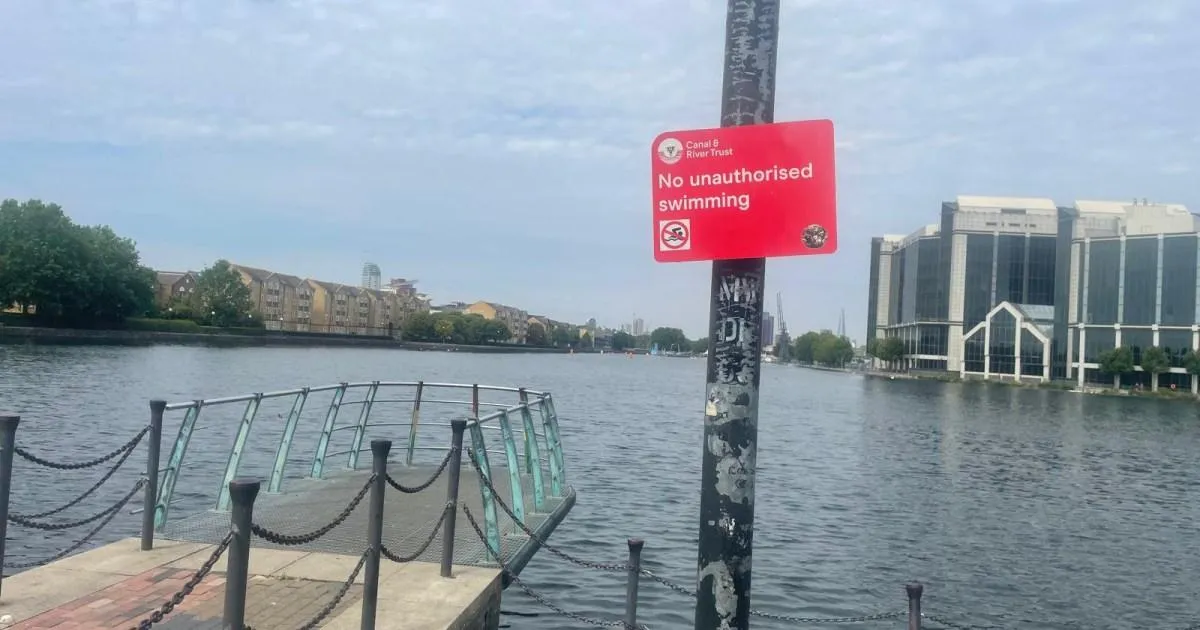
The incident unfolded on a Monday when the boy, alongside his companions, accessed the dock to jump into the water. Despite the presence of clear signage warning against unauthorized swimming, the allure of the water proved too strong for many local youths, who have long viewed the dock as an unofficial sanctuary from the sweltering heat. The boy reportedly entered the water from a deck that juts out over the dock, a structure that has frequently been used by local children as a makeshift diving platform. It was here, in a moment that shifted from play to peril, that he suddenly encountered life-threatening difficulty, unable to escape the deceptive conditions of the dock.
In the aftermath of the tragedy, local residents have begun to speak out about the atmosphere surrounding the docks during the summer months. Many neighbors describe a recurring pattern where groups of children, desperate to escape the stifling temperatures, congregate at the water’s edge despite the risks. There is a palpable sense of grief among those who witnessed the scene, but also a growing wave of frustration regarding the safety measures—or the perceived lack thereof—in the area. For those who live nearby, the death of this young boy feels like a tragedy that was waiting to happen, highlighting a disconnect between the warnings posted on signs and the reality of how the community interacts with the dock.
A critical point of contention has emerged regarding the maintenance of safety in this specific location. According to local accounts, the area was once regularly monitored by wardens funded by the Tower Hamlets Council, whose presence served as a deterrent for swimmers and a source of guidance for youths tempted to enter the water. However, residents claim that these patrols have been scrapped, leaving the dock largely unsupervised. This absence of formal oversight has left many questioning whether the reliance on signage alone is enough to protect curious and impulsive teenagers, especially when the lure of cooling water becomes an overwhelming necessity during extreme weather events.
The loss of a 14-year-old is a stark, heart-wrenching reminder of the hidden dangers lurking in even the most familiar waterways. While the Thames and its surrounding docks may appear inviting under a bright, blistering sun, the water hides currents, deep drops, and temperature shocks that even strong swimmers can struggle to navigate. The boy’s death is not merely a statistical entry in a news report; it is the shattering of a family’s world and a profound wake-up call for the community. The grief felt by his friends and loved ones serves as a haunting testament to how quickly a summer day can turn fatal, leaving a silence where there should be the laughter of a teenager.
As the community grapples with this loss, the conversation has inevitably shifted toward prevention and the responsibility of local authorities to ensure the safety of public spaces. While signs warn against swimming, they clearly lack the authority or the practical impact needed to keep young people away from the water’s edge. Moving forward, the hope is that this tragedy might force a re-evaluation of safety protocols in the area, perhaps prompting a return to active patrols or the implementation of better physical barriers. For now, however, the focus remains on the boy who never came home, a young life lost to the heat, leaving a neighborhood to mourn a future that was cut far too short.