


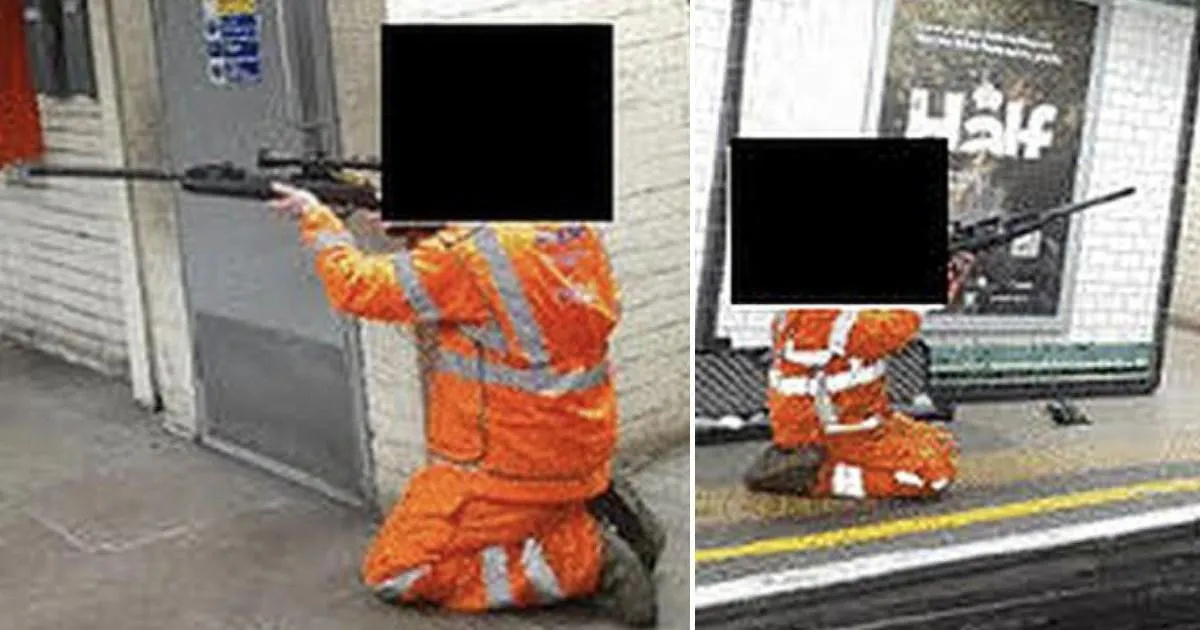
Between March 2024 and March 2026, Transport for London (TfL) oversaw a systematic culling of pigeons across its network, resulting in the deaths of at least 655 birds. Data obtained through Freedom of Information requests reveals that 123 separate shooting incidents were carried out to clear stations of birds that had nested on ledges or become trapped behind netting. The nature of these operations—often involving workers in hi-vis gear using air rifles in public-facing transport hubs—has sparked intense debate regarding the ethical treatment of urban wildlife and the methods employed by public bodies to manage sanitation and safety concerns.
The documentation of these events is haunting, featuring images of workers aiming rifles inside bustling underground stations and, in one instance, a worker stepping on a dying bird at Stanmore Station. Beyond the headline figures, the scale of the disruption is sobering: 17 active nests were destroyed, and at least seven chicks were either killed or forcibly removed. Critics, spearheaded by Manchester Pigeon Rehab, argue that these actions are not merely a sanitary necessity but a manifestation of cruelty. They point to instances where birds were shot but not killed instantly, leaving them to suffer or flee with severe injuries, which directly challenges the regulatory requirement to minimize animal suffering.
A central point of contention is whether TfL truly exhausted “non-lethal” alternatives before resorting to firearms. Natural England advises against lethal control during the peak breeding season, yet the records suggest this guidance was frequently disregarded. In one grim report from Arnos Grove, twenty shots were fired to cull only sixteen birds; four shots hit a single pigeon without killing it, highlighting the inherent inaccuracy and brutality of shooting birds in cramped, industrial environments. In many cases, these animals were trapped behind netting placed by TfL itself, yet instead of opening these nets to release the birds, authorities contractors chose to shoot them inside the enclosures.
The human perspective on these creatures often shifts rapidly from sympathy to frustration, but advocates for the pigeons remind us that these birds are not pests by nature, but descendants of animals humans domesticated for communication and wartime service. By treating these intelligent, social creatures as mere obstacles to be erased, critics argue that TfL is side-stepping the deeper social responsibility of urban planning. They are calling for a definitive shift toward habitat modification and modern deterrents, suggesting that a civilized society should be capable of coexisting with wildlife in shared public spaces rather than resorting to the blunt instrument of lethal force.
Transport for London has defended its position, citing a duty of care toward its passengers and staff. They argue that pigeon waste poses legitimate health risks, including bacteria and insect infestations, while nesting materials create real-world fire hazards and structural damage to station architecture. From their perspective, these shoots are a “last resort” implemented only when preventative measures fail and an environment becomes inherently unsafe. They maintain that the removal of these birds is a necessary evil to keep the rail network clean, efficient, and secure for millions of commuters who may never see the reality behind the station’s decorative ledges.
Ultimately, this impasse reflects a growing tension between bureaucratic hygiene and animal welfare. While the threat to public infrastructure is undeniable, the imagery of boots on dying birds and the suffering of trapped fledglings suggests that the current management approach is failing to meet public standards of compassion. As the British Transport Police look into the formal complaints, the incident raises a vital question: can we rely on corporations and public services to be the arbiters of life for the creatures that live alongside our infrastructure, or is it time for more stringent, legally binding oversight on how we manage urban “pests”?