


The recent announcement by Home Secretary Shabana Mahmood that asylum seekers will be required to pay a £10,000 fee before receiving permanent settlement status has sparked widespread concern and skepticism. Officials have attempted to frame this financial barrier as a necessary measure to “save” the asylum system, even comparing it to the mechanics of a student loan scheme. However, when looking at the cold reality of the proposal, it fails to hold up under basic economic scrutiny. It seems clear that this is not a genuine attempt at fiscal responsibility, especially when the government continues to house asylum seekers in expensive, unsuitable military barracks while simultaneously blocking them from working and contributing to the economy.
The true motivation behind this policy appears to be less about balancing the books and more about an ongoing, performative display of cruelty. By keeping vulnerable people in a state of systemic limbo, the government isn’t solving a crisis; it is manufacturing one. This strategy suggests that the current administration is willing to sacrifice human dignity and social cohesion simply to signal toughness. It is a cynical maneuver that serves no practical purpose other than to appease a specific political demographic, ultimately leaving both the taxpayers and the migrants in a worse position than before.
This shift in tone marks a significant departure from the compassionate and dignified immigration system that Prime Minister Keir Starmer once promised. Over the past two years, the government has descended into increasingly performative tactics, ranging from the use of dehumanizing deportation videos to rhetoric that echoes the darkest chapters of populist politics. Despite these aggressive posturing efforts, the strategy has failed to boost the Prime Minister’s popularity or improve the public’s perception of how migration is being managed. Instead, this toxic trend has only served to legitimize divisive narratives that scapegoat migrants for the country’s deeper structural problems.
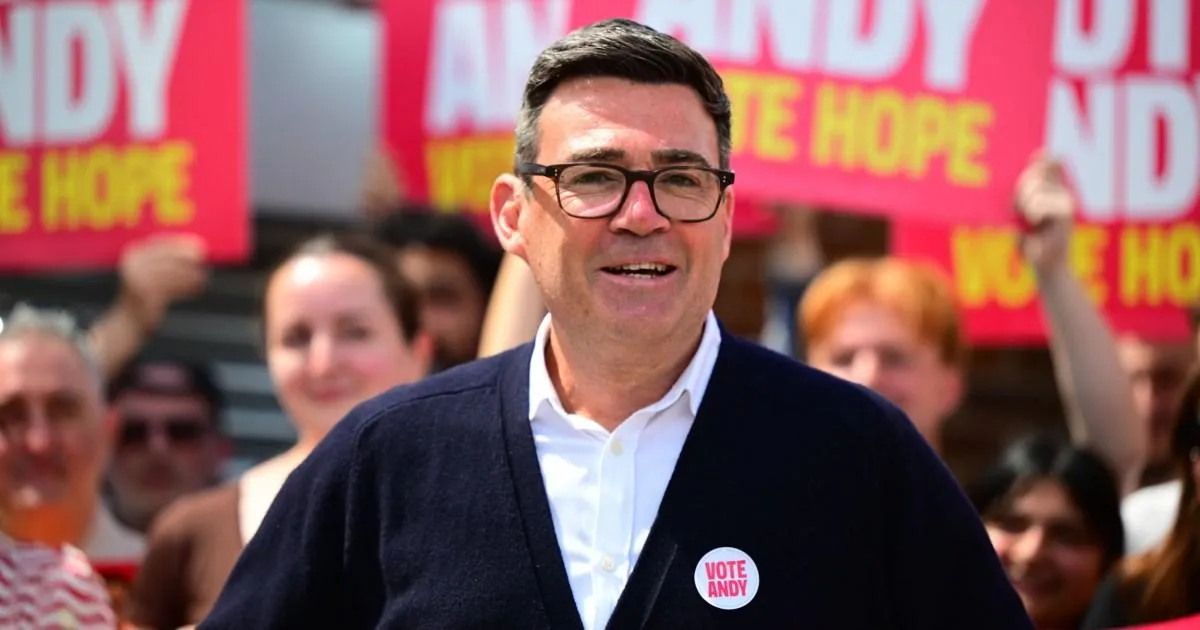
As the political landscape prepares for a potential transition toward Andy Burnham, there is a lingering fear that this cycle of cruelty will simply continue under a different face. While there is public hope that a new leader might govern with a different philosophy, early signals are discouraging. There is already talk of expanding detention centers and continuing the current trajectory of restrictive reforms. If the government’s goal is to genuinely improve the system, it must first acknowledge that this hardline, anti-migrant approach has been a failure, leading the country down a path that offers no actual progress or stability.
A genuine reset is not just desirable; it is essential for the health of our communities. Instead of doubling down on policies that seek to punish those in need, the government should look toward common-sense alternatives that treat migration as a human issue rather than a criminal one. This involves creating safe, managed routes for asylum seekers, which would dismantle the incentive for the dangerous, illicit journeys that currently dominate the conversation. Furthermore, allowing people to work while their claims are processed would empower them to support themselves, fostering integration rather than resentment.
Ultimately, the goal of any functioning migration system should be fairness and organization, not theatrical harshness. The Green Party and other advocates have long proposed solutions that prioritize humanitarian standards and practical economics over political point-scoring. If incoming leadership is truly interested in fixing the broken pieces of our current system, they must choose to leave behind the performative cruelty of the past. Real leadership requires the courage to stand up to divisive rhetoric and the wisdom to implement policies that prioritize both our shared humanity and our practical, long-term interests.