

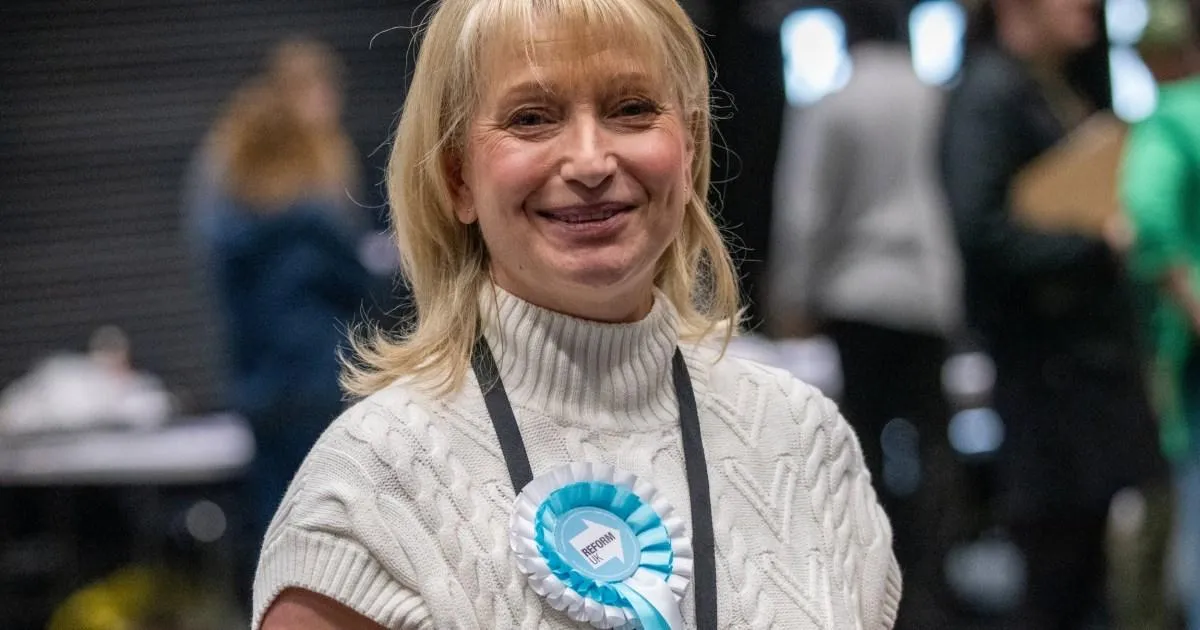
The political landscape of Greater Manchester is about to get a lot more interesting, and perhaps a little more familiar to fans of daytime television. Reform UK has officially named Sian Astley, a seasoned property expert and former star of shows like BBC’s DIY SOS and Your Home Made Perfect, as their candidate to challenge the long-standing reign of current Mayor Andy Burnham. For many, Astley—whose name is pronounced similar to the color “cyan”—is already a household face, yet her recent transition from the construction site to the council chamber marks a significant, albeit unexpected, shift in her professional trajectory. Following her successful election to the Manchester City Council this past May, where she managed to wrest a seat away from Labour after half a century of dominance, she is now positioning herself as the primary catalyst for change in the upcoming mayoral race.
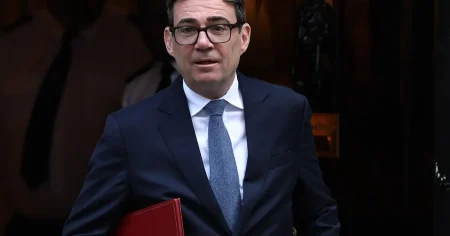
Astley’s background offers a unique blend of practical, project-based problem solving and a sharp, inquisitive political instinct. While her career has been defined by renovating properties and managing high-stakes builds, her current focus is on “renovating” the local political structure. Since becoming the leader of the Reform UK group on the council, she has wasted no time in establishing an antagonistic relationship with the current administration. Her campaign platform is centered on a promise of radical transparency, specifically regarding the financial integrity of the Greater Manchester Combined Authority (GMCA). She has explicitly stated that one of her first priorities, should she be elected, would be to open the books on public contracts awarded during the Burnham era, particularly those involving companies linked to his previous campaign donors.
This allegation points toward recent media scrutiny concerning the GMCA’s procurement practices, which have faced questions regarding how contracts are distributed, especially to media entities with ties to political figures. While the GMCA has staunchly defended its record, insisting that all processes are rigorous, fair, and free from any direct involvement by the Mayor himself, Astley is banking on the idea that voters are hungry for a deeper look into the “black box” of local government. By focusing on these administrative controversies, she hopes to tap into a growing cynicism among the electorate, mirroring the national populist sentiment that often drives Reform UK’s wider appeal. For Astley, the goal is to shift the conversation away from traditional party lines and toward the mechanics of power and accountability.
However, the path ahead for the newcomer is far from smooth, as she enters a crowded and deeply entrenched political field. Her primary opponent is Bev Craig, the current leader of Manchester City Council, who represents the Labour powerhouse that has dominated the region for decades. Additionally, she must contend with an array of challengers from across the spectrum, including the Green Party’s Geraldine Coggins, the Conservative candidate Phil Eckersley, the Liberal Democrat representative Richard Kilpatrick, and Marlon West from Restore. Navigating this sea of candidates is difficult enough, but Reform UK also faces the pressure of overturning a recent streak of disappointing performances in various by-elections, having lost ground in districts across the country to both the Green Party and local incumbents.
Adding a layer of complexity to the race is the electoral system itself. The upcoming July 30 election will utilize the ‘supplementary vote’ system, which allows citizens to pick both a first and second choice for mayor. This mechanism often favors established parties, as it encourages voters to treat candidates as backups rather than primary options. For a candidate like Astley, who relies on the fervent energy of a base seeking fundamental change, the tactical nature of this voting system could either act as a bridge to broader support among frustrated voters or act as a barrier if those voters choose to stick with the “safety” of the major parties as their second preference.
Ultimately, this mayoral contest is about more than just which individual occupies the office; it is a test of how much the pulse of Greater Manchester has genuinely shifted. Andy Burnham has spent years cultivating a reputation as a fierce advocate for regional devolution, but the rising tide of political skepticism—represented by figures like Astley—suggests that a portion of the electorate is ready to trade professional political polish for the blunt, project-manager persona of someone who promises to tear down the drywall and see what is hiding behind the studs. Whether or not that desire for “renovation” is strong enough to trigger a major upset this summer remains the central, unfolding drama of this campaign season.