

The ongoing war in Ukraine has begun to hemorrhage into the daily lives of everyday Russians, manifesting in a desperate, petrol-fueled crisis that is testing the patience and resolve of the public. Across the nation, from the expansive reaches of Siberia to the bustling outskirts of Moscow, motorists are facing agonizing waits at gas stations, often queuing for hours—or in some cases, entire days—just to scrape together a half-tank of fuel. This shift in domestic stability highlights the vulnerability of Russia’s oil infrastructure, which has been systematically targeted by Ukrainian drone strikes. What was once a distant geopolitical strategy is now a tangible, frustrating reality that is causing the average citizen to openly question the sustainability of the conflict.
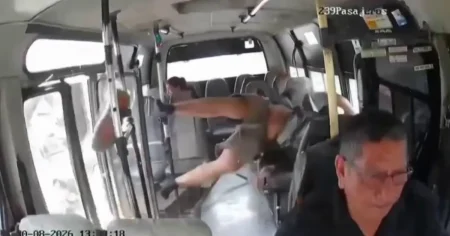
The tension at these filling stations has become a powder keg, with reports of aggressive confrontations and outbursts of violence occurring with alarming frequency. In regions like Sverdlovsk Oblast and the city of Ryazan, the exhaustion of long waits has boiled over into physical assaults, as drivers—pushed to their breaking point—turn on one another in a scramble for dwindling resources. Videos and anecdotal accounts capture a grim scene: women screaming at each other over queue protocol and men resorting to punches through car windows. Even organized crime has surfaced to exploit the desperation, with reports of unscrupulous groups hoarding fuel and reselling it at triple the market price, further deepening the sense of societal breakdown.
At the heart of this turmoil is a growing sentiment of resentment toward Vladimir Putin’s administration. For many, like Tanya, a 29-year-old from Siberia who spent 13 hours waiting for fuel, the mask of state propaganda is slipping. When the cost of living and the basic convenience of travel are upended by the war effort, the government’s justifications begin to ring hollow. These citizens are no longer just statistics or abstract entities in a geopolitical game; they are people who feel trapped by a “senseless conflict” and are increasingly vocal in their desire for a return to normalcy. The quiet resignation that once defined the Russian public’s reaction to the war is slowly being replaced by a stinging bitterness as the realities of economic strain hit home.
The Kremlin has been forced to acknowledge the severity of the situation, as the fuel shortage has rippled through all 83 of Russia’s regions. Vladimir Putin recently addressed the chaos, admitting that “problems” do exist for both motorists and vital agricultural producers who rely on these supplies to keep farms running during the critical summer season. However, there remains a palpable disconnect between the government’s official rhetoric—which insists that fuel reserves are only four percent lower than last year—and the chaotic, empty pumps that tell a different story. By downplaying the severity of the crisis, the administration risks further alienating a population that can see the truth in the empty tanks of their own vehicles.
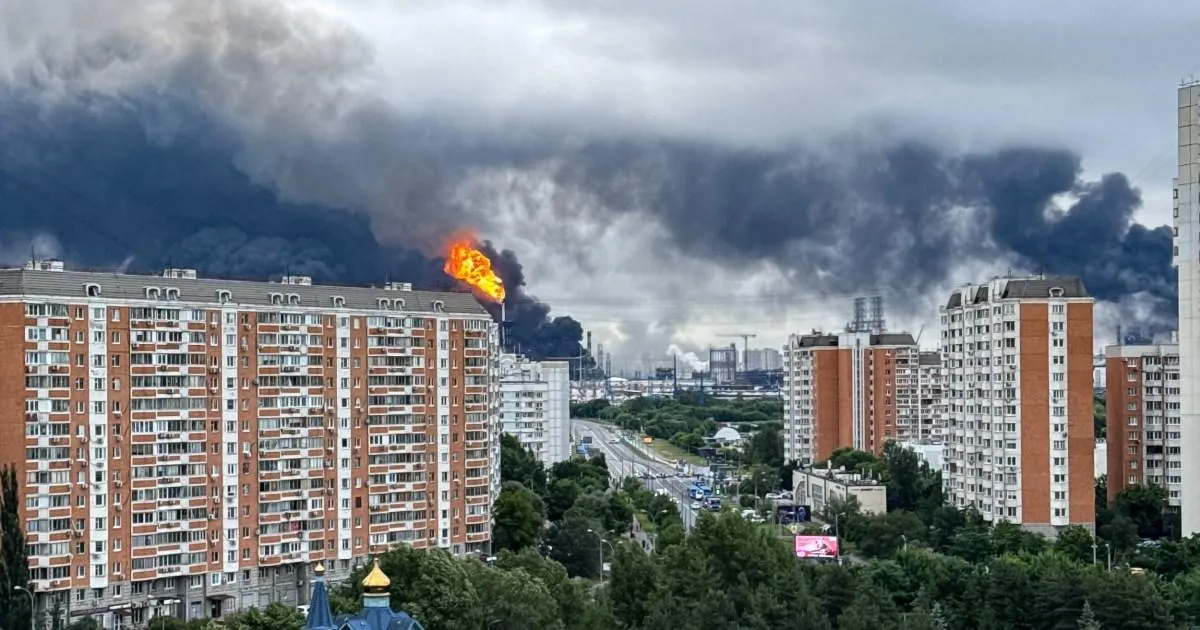
Strategic infrastructure, particularly oil refineries like the Gazprom Neft facility in Moscow, has become a high-value target for Ukrainian forces, and the consequences of these strikes have been disproportionately felt in logistics-heavy areas like Crimea. With land routes into the peninsula hindered, fueling stations there have nearly run dry, forcing the government to scramble for maritime solutions to plug the gaps in supply. The urgency of these logistics shows just how disruptive the drone campaign has been for the Russian state, turning the tide of the war from a far-off endeavor into a logistical nightmare that threatens the internal functioning of the Russian state apparatus.
Ultimately, this fuel crisis serves as a stark reminder that no amount of state-controlled media can hide the reality of a domestic emergency. Whether it is through the intervention of police patrols at unruly gas stations or the president’s own defensive pledges to restore supply levels, the domestic impact of the war is no longer avoidable. As the frustration of the Russian public continues to mount, the government faces a daunting challenge: sustaining a long-term war effort while simultaneously preventing its economy—and its people—from running completely out of gas. For the citizens waiting in those endless lines, the wait is no longer just about filling a car; it has become a symbol of a nation losing its footing.