

The conflict in Ukraine has eclipsed the duration of many of history’s most significant struggles, now stretching well past the 50-month mark. What was initially sold to the Russian public as a limited “special military operation” has morphed into a protracted, grinding catastrophe that has lasted longer than Russia’s engagement in the First World War or its desperate fight against Nazi Germany. This isn’t just a political crisis; it is a human tragedy of staggering proportions. With half a million casualties and the country’s industrial infrastructure effectively being dismantled, the war machine that Vladimir Putin built is now consuming the very people it was intended to protect, leaving a trail of grief that is being felt in homes across every corner of Russia.
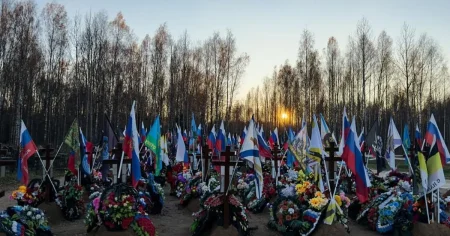
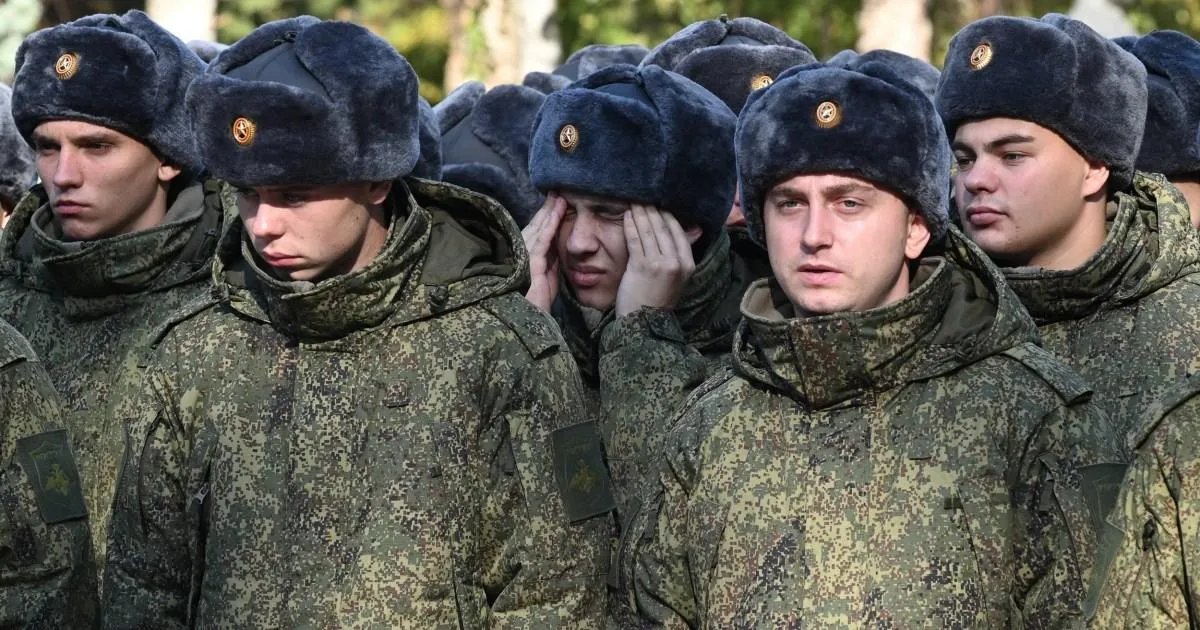
The grim reality for those arriving at the front line is almost impossible to comprehend. Military analysts and historians, including Oxford Professor Peter Frankopan, have painted a harrowing picture of life—and death—in the trenches. New recruits, often lured by the promise of substantial financial bonuses and debt relief, are finding that the battlefield is a slaughterhouse. Reports suggest that soldiers are being killed or seriously wounded at a rate of eight to one compared to their Ukrainian counterparts, and some scouts and experts estimate that the survival expectancy for a conscript upon reaching the front can be as little as twenty minutes. This is no longer a war of traditional maneuvering; it is a high-tech meat grinder where human lives are extinguished with terrifying efficiency.
The sheer scale of the slaughter has necessitated desperate measures from the Kremlin. To maintain the flow of fodder for the front, Putin’s government has resorted to massive financial incentives, offering up to £60,000 in bonuses and over £100,000 in debt cancellation to those who sign one-year contracts. Yet, these monetary bribes cannot mask the reality that training has become a mere formality before an inevitable end. Military bloggers within Russia have noted that from the moment a recruit steps into a training facility to their final moments in a combat zone, they often have less than three weeks to live. It is a cynical, industrial-scale sacrifice of the country’s own youth.
The conflict is also bleeding into the daily lives of everyday Russian citizens, moving beyond the headlines and into their gas tanks and bank accounts. Ukrainian forces, utilizing a steady stream of drones, have successfully targeted critical oil infrastructure, leading to severe fuel shortages that have caused public frustration and fights at petrol stations. As the scarcity of basic goods grows and the economic reality of the war sets in, the domestic consensus that once shielded Putin from criticism is beginning to dissolve. Business leaders, once staunch supporters of the Kremlin’s agenda, are now privately expressing profound, agonizing disappointment, describing the state of the nation as a “growing catastrophe.”
Historians are now drawing uncomfortable parallels between the current regime and the final, gasping days of the Romanov dynasty. Professor Frankopan suggests that Putin’s behavior resembles that of Tsar Nicholas II prior to the 1917 revolution—a leader increasingly isolated, prone to bizarre public appearances, and hopelessly out of touch with the desperation of his people. The sense of a “future” for Russia seems to have vanished, replaced by an atmosphere of paranoia and decline. The tactical missteps and the decision to micromanage a war that is clearly spiraling out of control have left many observers wondering if the architecture of the state itself is beginning to buckle under the weight of one man’s ego.
Ultimately, this conflict has become a fight for the president’s own survival. There is a growing understanding among those within the corridors of power that Putin will go to any length—no matter how destructive or cruel—to remain in his chair. The fear of what comes after his rule, which could include imprisonment or death, has turned him into a leader who is willing to sacrifice everything, including the prosperity and lives of his countrymen, to avoid an uncertain endgame. As he clings to power, effectively pulling everyone around him underwater to keep his own head above the surface, he leaves behind a legacy defined not by geopolitical victory, but by senseless loss and a nation slowly unraveling at the seams.