


The world often views Antarctica as an immutable fortress of ice, a frozen frontier where the rules of temperature have remained firmly etched in stone for millennia. However, recent data from the British Antarctic Survey’s Rothera Research Station tells a far more unsettling story. While record-breaking heatwaves have been grabbing headlines across Europe and the UK, a silent, dramatic shift has been unfolding at the bottom of the world. Temperatures that should typically park themselves between -15°C and -20°C in the middle of winter have instead swung toward the freezing mark, reaching as high as -2°C. For the scientists living and working in this extreme environment, the landscape they once knew—defined by relentless cold and heavy blankets of seasonal snow—is becoming increasingly alien.
This isn’t just a passing anomaly; it is a trend that demands our attention. Through nearly 50 years of continuous monitoring, researchers have been able to map the pulse of this region, and the heartbeat is changing. Preliminary analysis suggests that June 2025 and 2026 are tracking as some of the warmest months on record since the late 1970s. These are not merely statistical fluctuations; they are indicators of a broader, deeper transformation. Under the scope of the ExtAnt project, experts have concluded that these heatwaves are being significantly amplified by human-driven climate change, which is stacking the deck in favor of more frequent and intense weather events that the Antarctic ecosystem is simply not built to withstand.
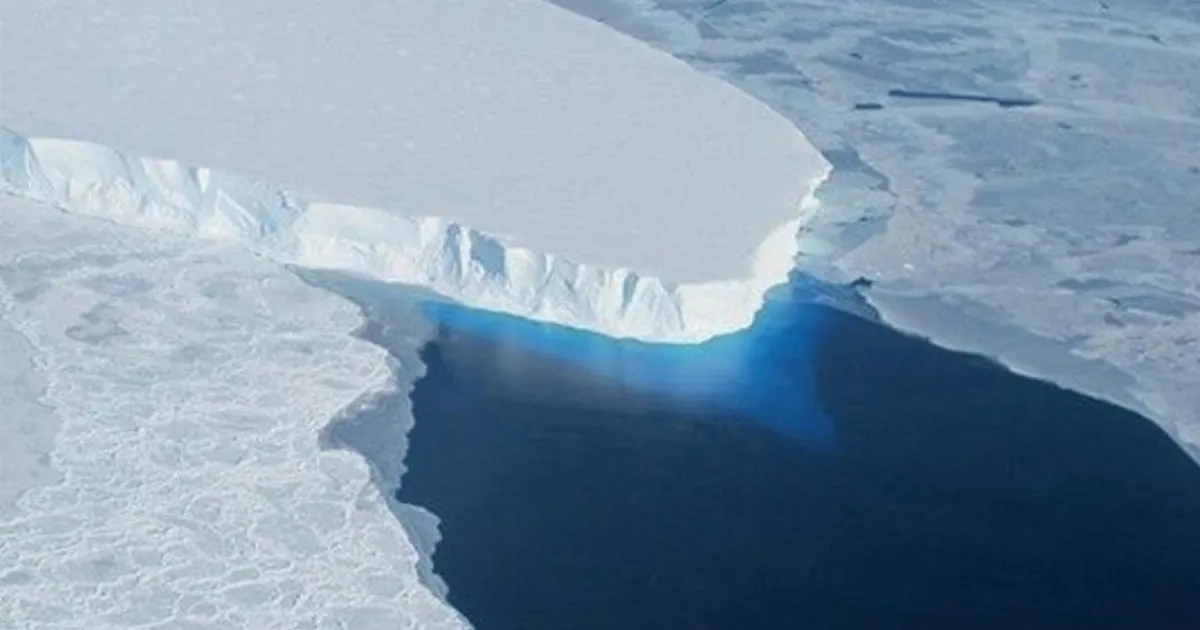
The physical evidence of this shift is visible both on the ground and across the vast, surrounding seas. Perhaps most alarming is the state of the sea ice in the Bellingshausen Sea. For the third time in the last four years, the researchers at Rothera have looked out across the water in midwinter only to find an absence of sea ice. This absence is a profound red flag. Sea ice acts as the planet’s natural insulation; it serves as a crucial, protective buffer that shields the fragile Antarctic coastline from the fury of ocean storms. Without this barrier, the continent is left exposed, allowing warm, moisture-heavy air from lower latitudes to surge inward, bringing with it unseasonal rainfall that accelerates the melting process and destabilizes the very foundation of the ice sheets.
As this protective layer thins and retreats, we find ourselves witnessing a feedback loop that is difficult to reverse. The reduction of sea ice allows more heat to reach the coast, which in turn melts more ice, further diminishing the barrier and inviting even more warmth into the region. Scientists like Dr. Tracy Moffat-Griffin, who leads the Atmosphere, Ice and Climate team at the British Antarctic Survey, emphasize that while Antarctica will always be one of the harshest places on Earth, the “cold extremes” that once defined its winters are rapidly fading. The projections for the future are stark: we should anticipate fewer long, deep freezes and an escalating frequency of warm, damp winter events that are completely at odds with the continent’s historic climate patterns.
What makes this reality so difficult to process is the scale of time involved. Because Antarctic weather is naturally volatile, shifting wildly on a weekly basis, it takes decades of dedicated data collection to distinguish between a “bad year” and a fundamental shift in the climate. We are now at a point where those five decades of consistent records are paying off in the worst way: they provide undeniable, granular proof that the Antarctic Peninsula is no longer functioning as it once did. The station at Rothera, once a lonely outpost for scientific discovery, has transformed into a critical watchtower, documenting the transition of a frozen wilderness into a place where the seasons are losing their traditional definitions.
Ultimately, these stories from the deep south remind us that we are all tethered to the same global system. The melting ice and the vanishing winters in Antarctica are not just distant news items; they are echoes of the same atmospheric changes that are triggering heatwaves across our own cities and disrupting ecosystems thousands of miles away. As we watch the glaciers shift and the sea ice wane, we are seeing the direct, human-influenced consequences of a warming world. The data is clear, the trends are worrying, and the time for viewing Antarctica as a permanent, unchanging relic of the past has passed. We are now living in a period of observation where every degree of temperature rise in the Antarctic carries a message that we ignore at our own peril.