


The heartbreaking story of an eleven-year-old boy in Ontario, Canada, serves as a sobering reminder of how quickly life can change due to a seemingly minor wildlife encounter. The young boy lost his life to rabies less than three weeks after waking up with a bat resting on his face. What makes this tragedy particularly haunting is that, despite the direct contact, there were no visible bite marks or scratches to indicate that a lethal virus had been transmitted. Because the injury wasn’t obvious, the critical window for life-saving intervention slipped by, eventually leading to a tragic outcome that marked Ontario’s first fatal rabies case in over half a century.
The boy’s journey from a strange morning encounter to the emergency room was swift and devastating. Nineteen days after the bat was found on his face, he began experiencing worrying symptoms: persistent vomiting, strange sensations of “pins and needles,” and unexpected numbness. Once these symptoms manifested, the medical team had very few options; once the rabies virus takes hold in the nervous system, there is no known cure. The boy’s family courageously chose to share his story, not to instill fear, but to serve as a warning to others about the silent danger that bats can pose. They hope that by speaking out, they can spare other families from this profound pain.
Experts are now working hard to ensure that this medical case serves as a turning point in public awareness. The case report, published in the Canadian Medical Association Journal, highlights that while rabies is nearly 100% fatal once symptoms appear, it is also 100% preventable if the right steps are taken early enough. The key lies in “post-exposure prophylaxis” (PEP), a series of vaccines and immune globulin injections that can stop the virus in its tracks. However, for these treatments to be effective, they must be administered immediately following any potential exposure, meaning people must learn to take even non-damaging contact with wildlife seriously.
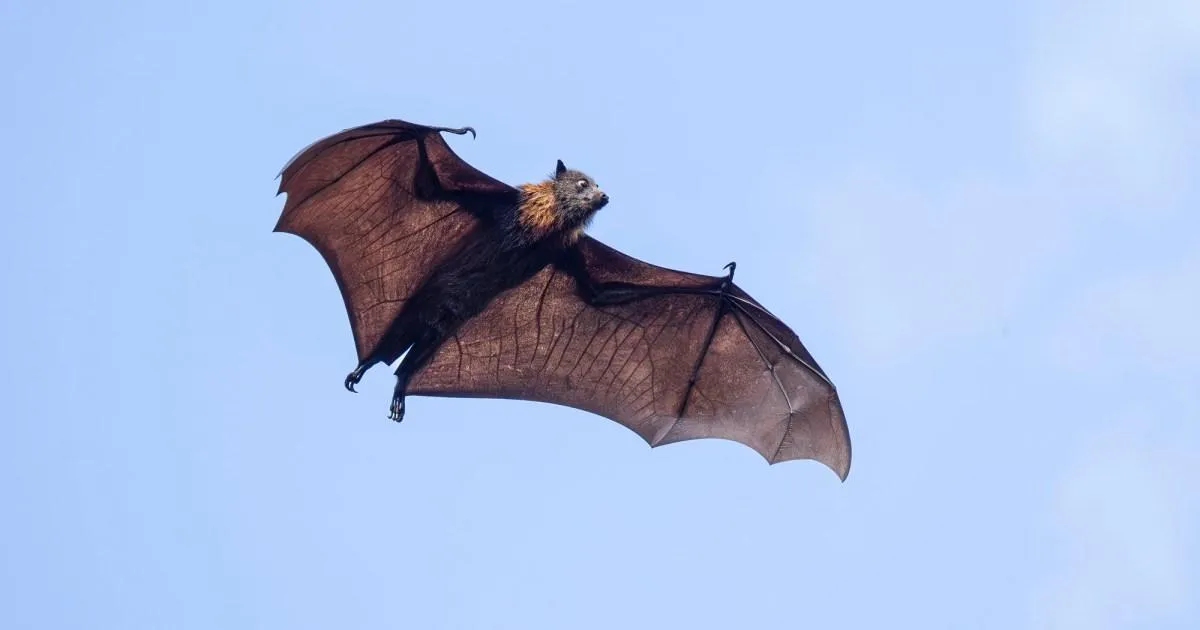
The reality, as explained by Dr. Brian Hummel of McMaster Children’s Hospital, is that bats are a special kind of risk. Unlike a dog or raccoon bite that might be obvious, a bat’s teeth and claws are often tiny and delicate, leaving wounds that are invisible to the naked eye. Because of this, public health officials have issued a firm directive: if you have direct contact with a bat—even if you feel no pain and see no blood—you must treat it as a medical emergency. Delaying care in hopes of “seeing if marks appear” is a gamble that carries the ultimate price, and summer months only increase the frequency of these high-risk encounters.
Understanding the broader context of the disease helps clarify why vigilance is so vital. While the UK, for instance, has been free of terrestrial rabies for over a century, the threat remains ever-present in North America, where bats are the primary carriers. For most of the world, rabies is associated with dogs in developing nations, but in regions like Canada and the US, the wild bat population presents the most frequent path for the virus to enter the human population. It is a biological reality that requires us to change our behaviors around wild animals, resisting the urge to touch or handle them regardless of how docile they may appear.
Ultimately, the takeaway from this young boy’s passing is a message of proactive safety and parental caution. Clinicians are being reminded to always ask about wildlife exposure when a patient presents with sudden neurological symptoms, but the primary responsibility lies in community awareness. If there is ever a question of contact with a bat, the only correct course of action is to contact public health authorities immediately. By prioritizing rapid medical consultation over the “wait and see” approach, we can honor the memory of the young boy and ensure that these life-saving, preventative treatments are utilized whenever a potential exposure occurs.